
Lihao Design Creator 00047
Lihao Design Creator 00047
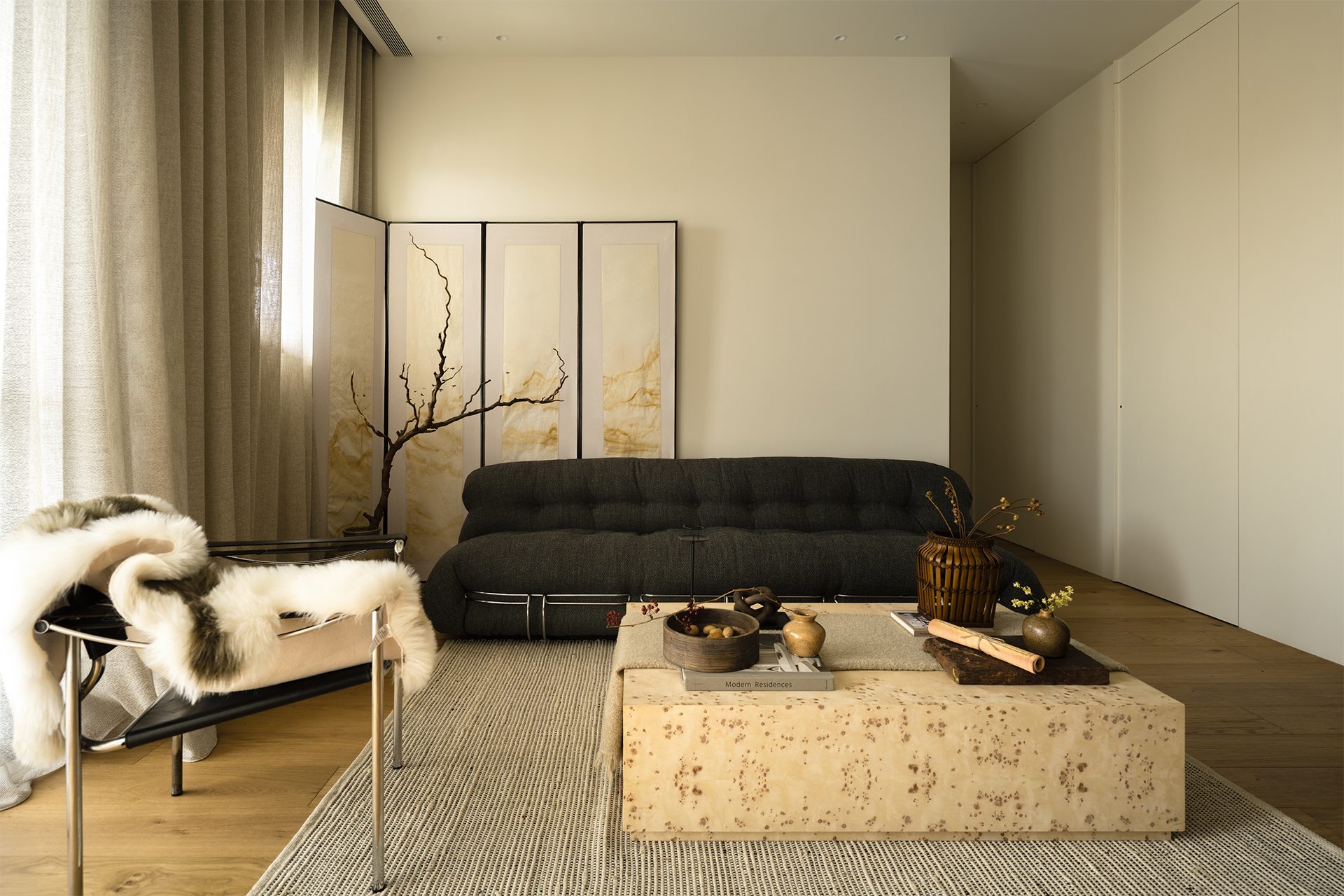
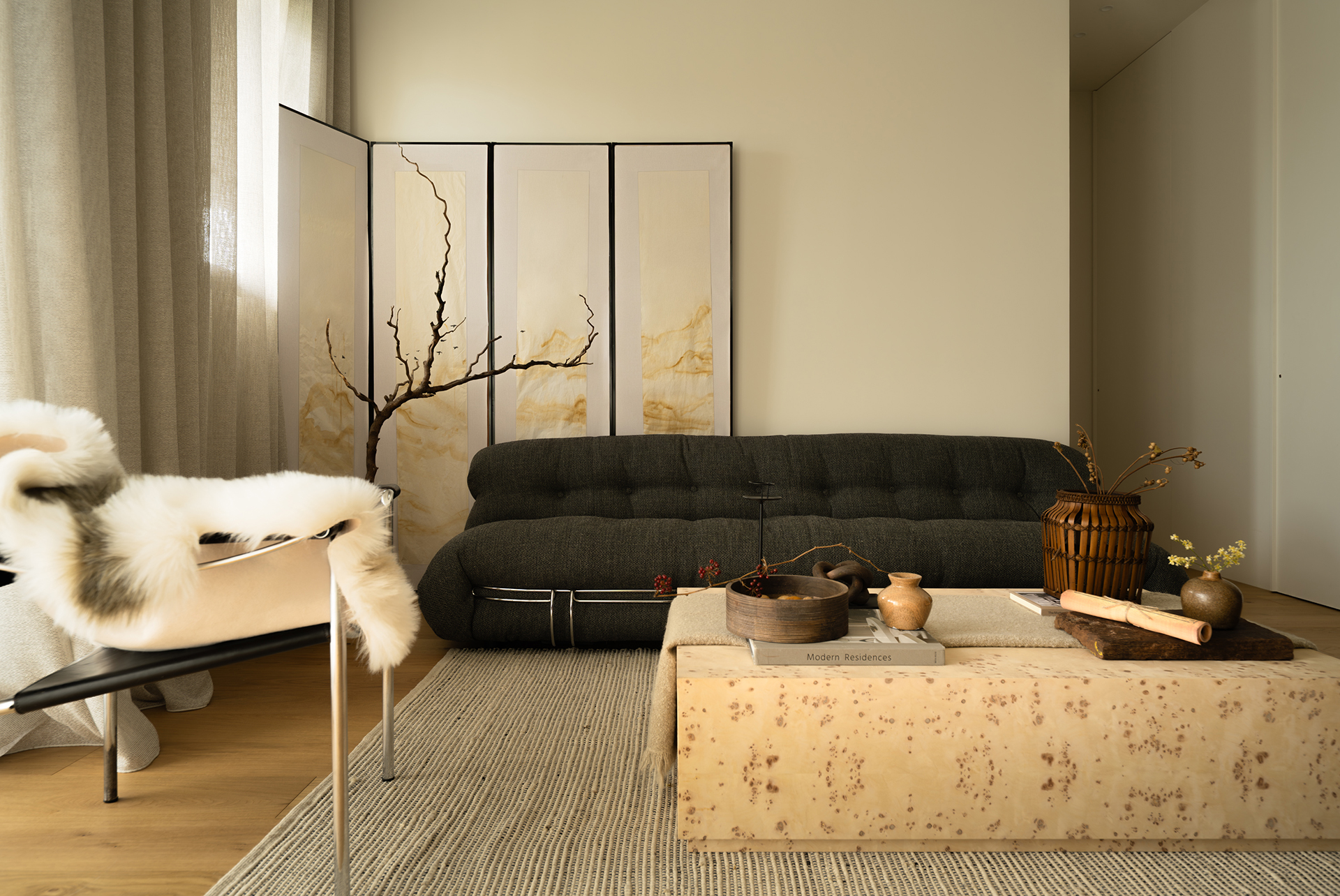
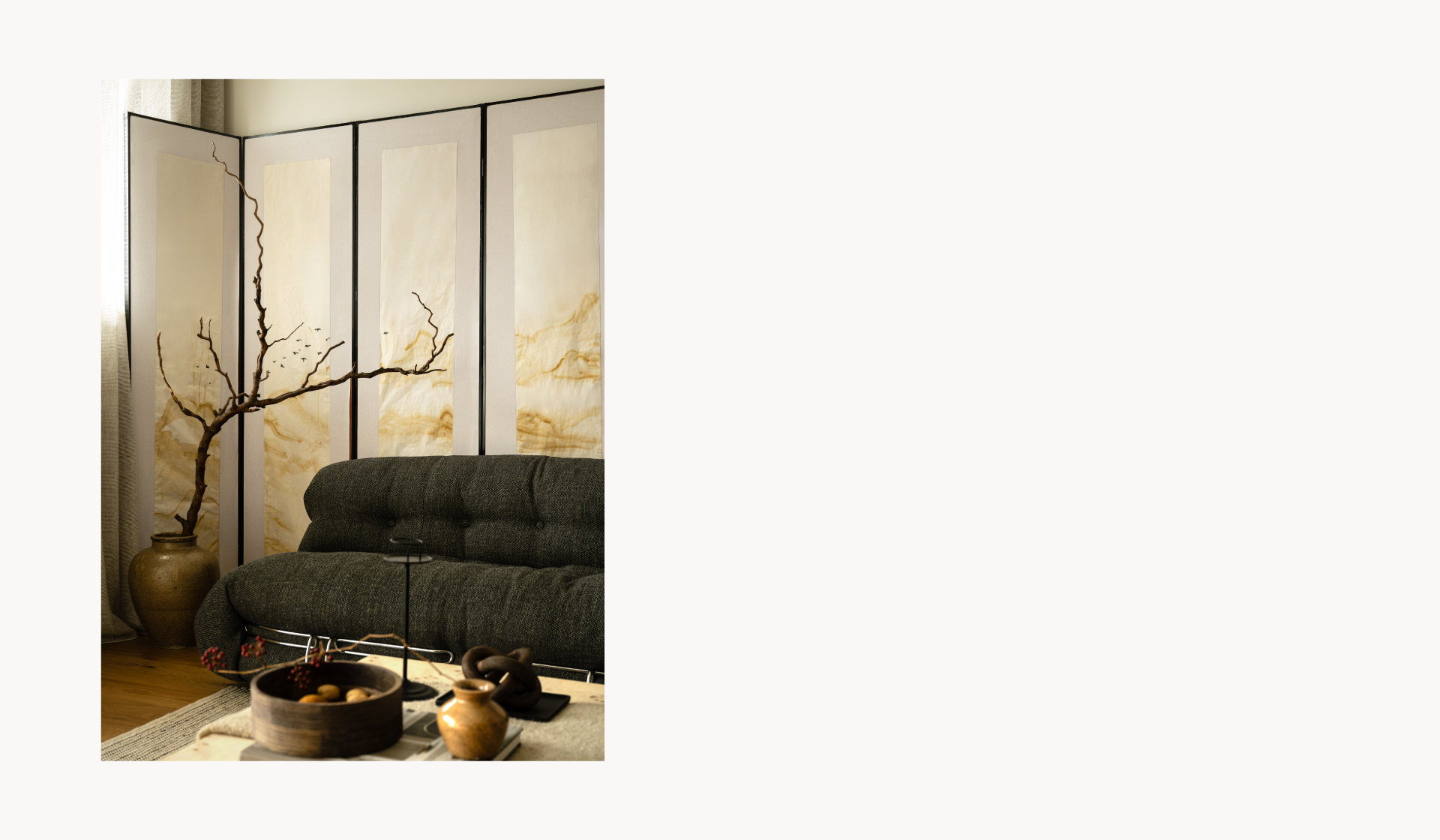
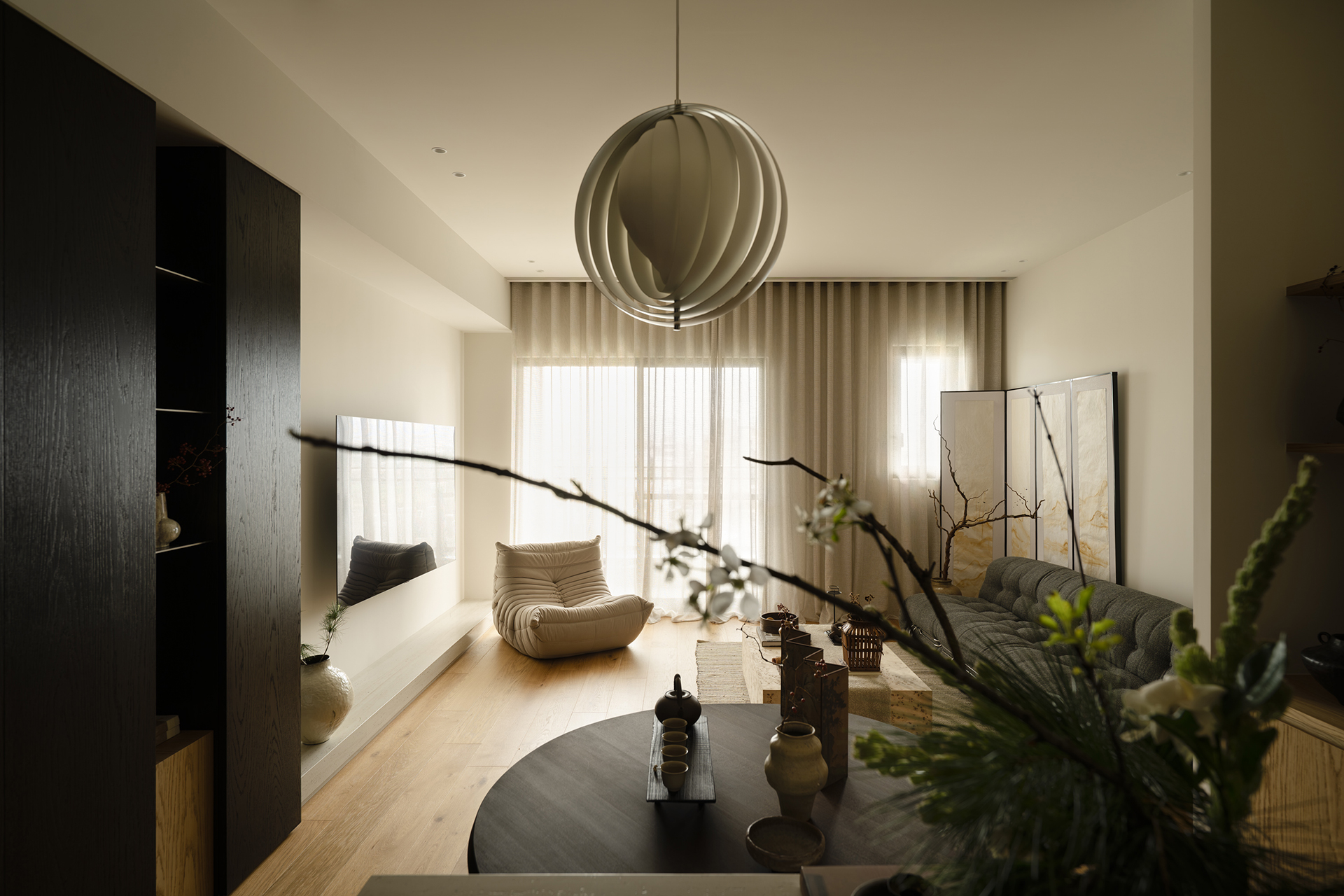
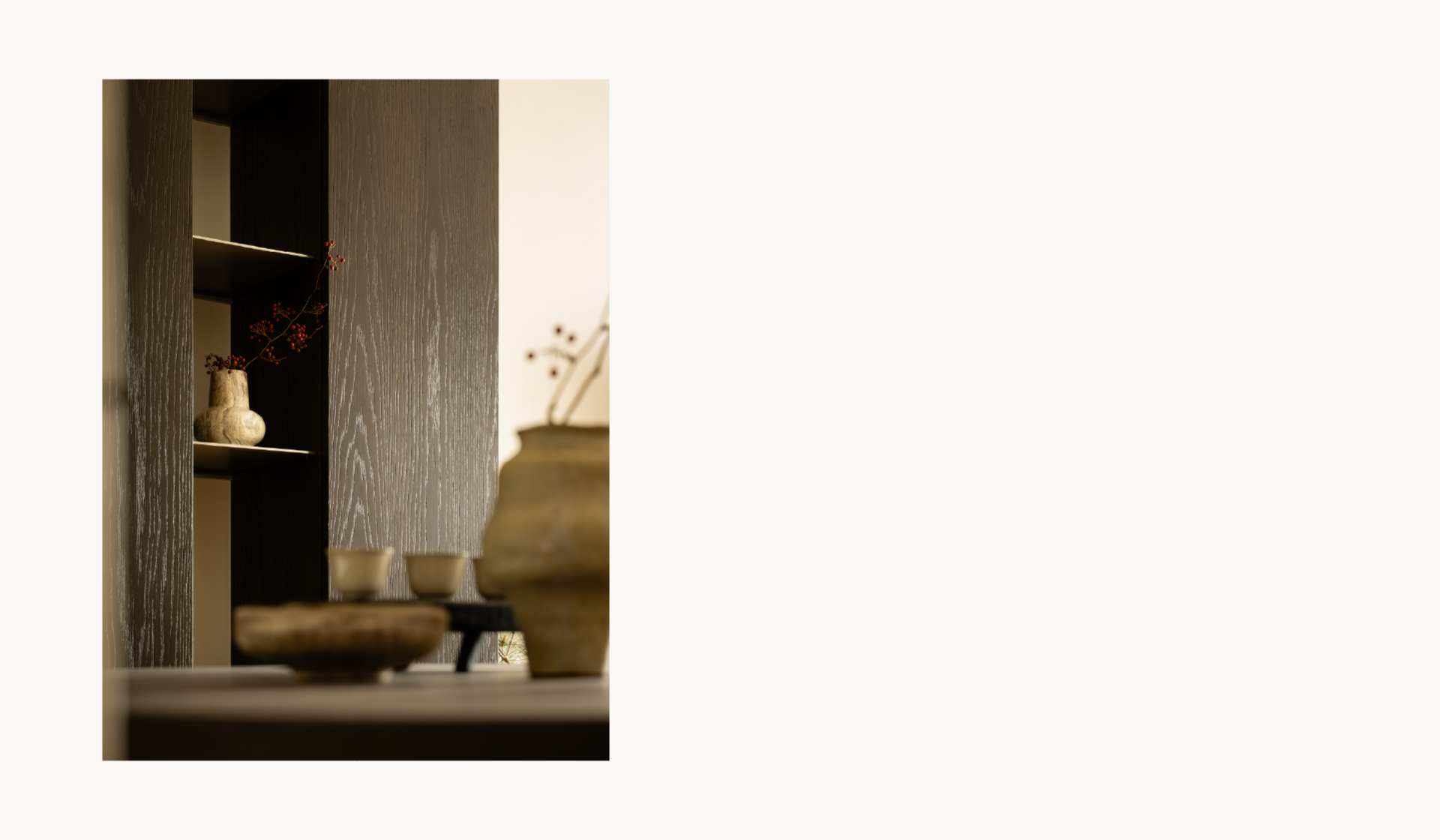
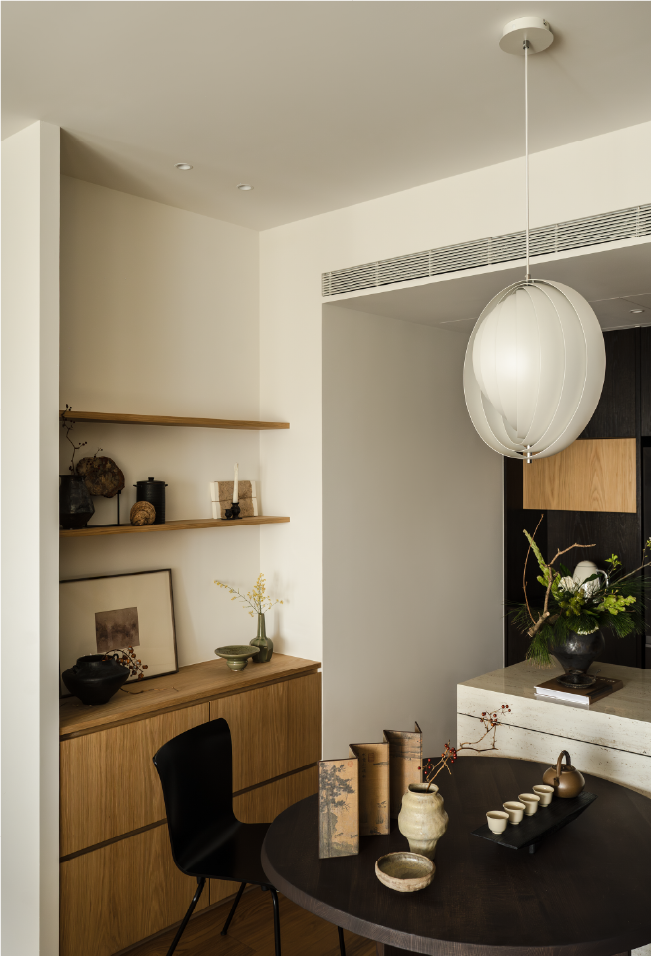
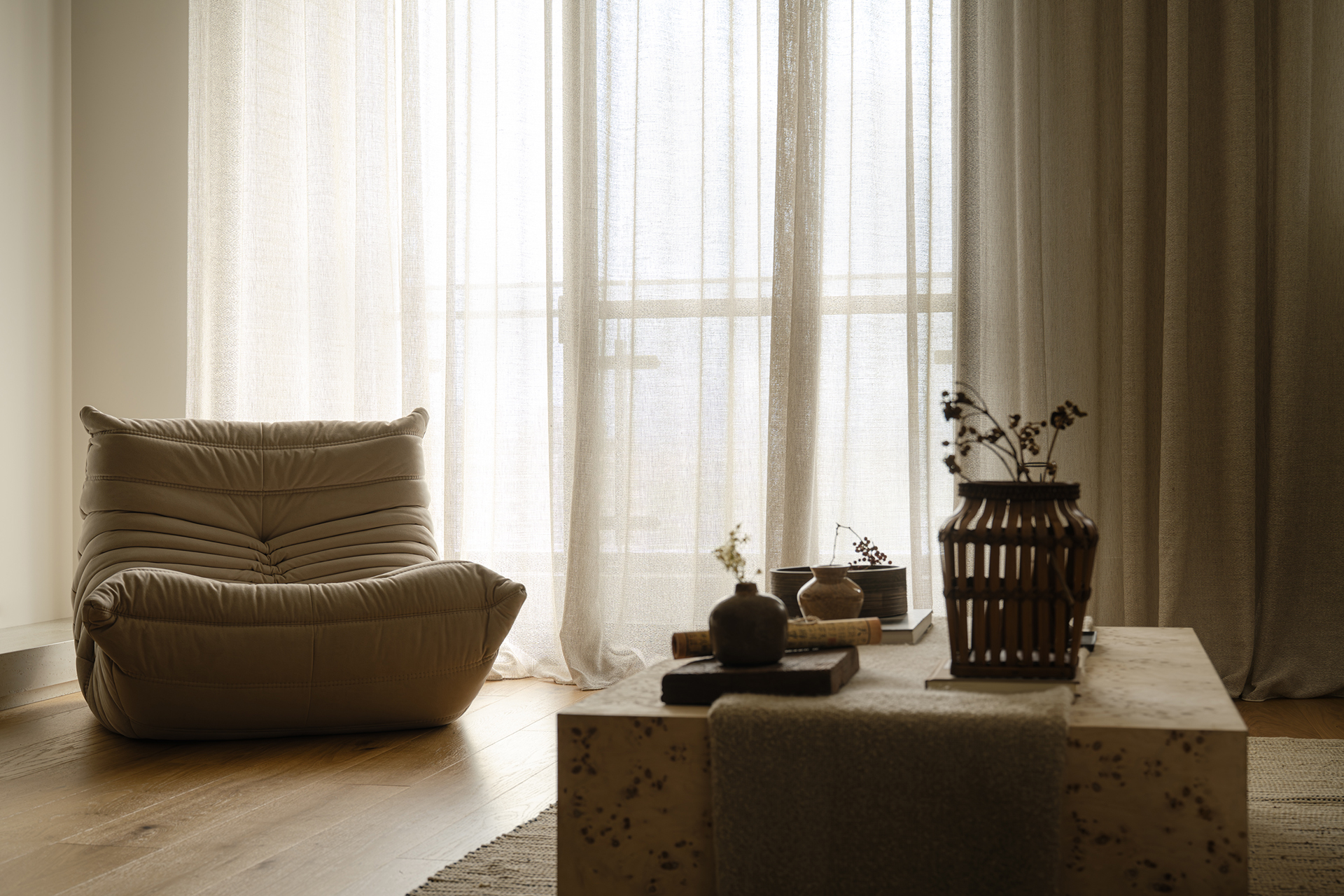
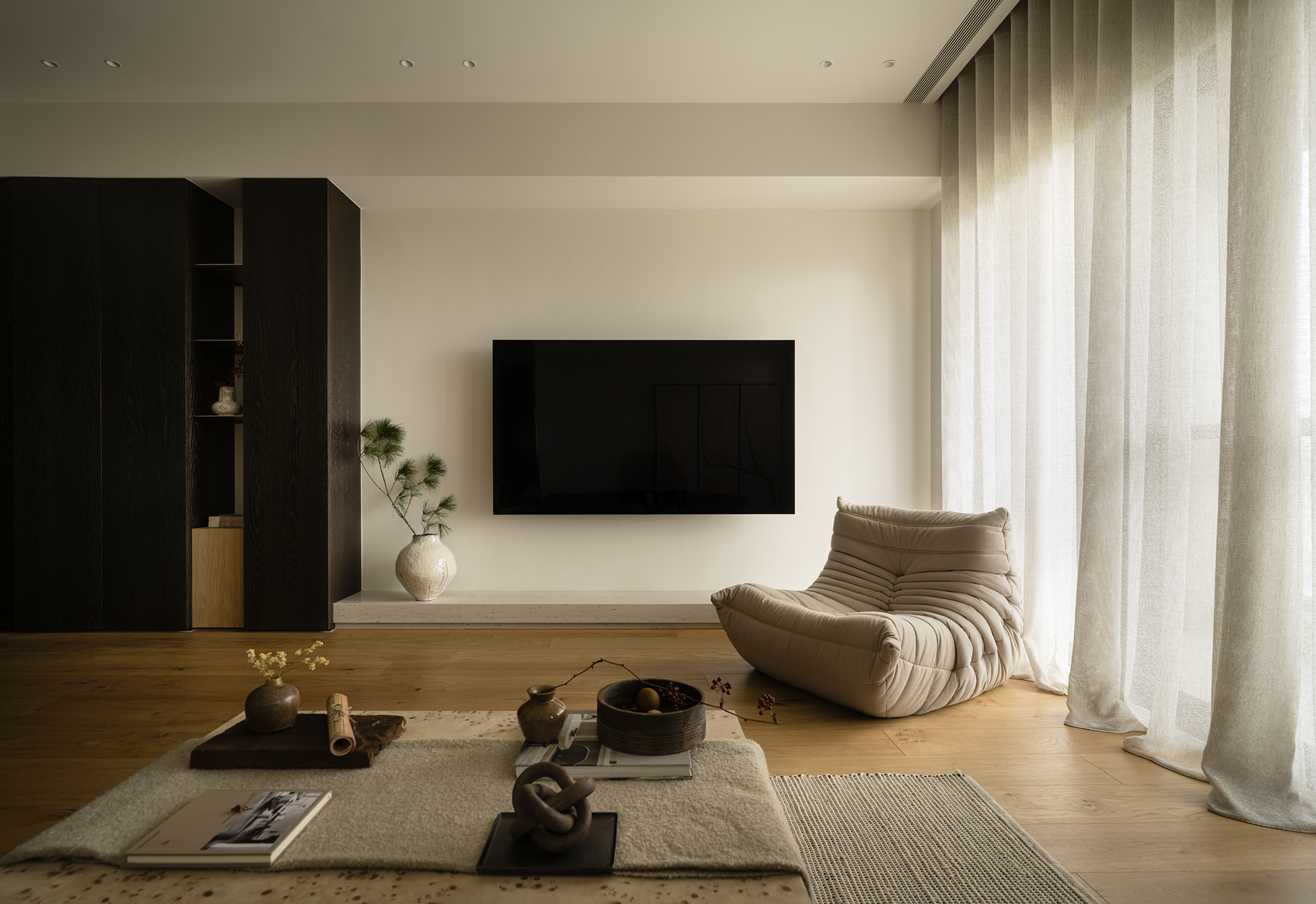
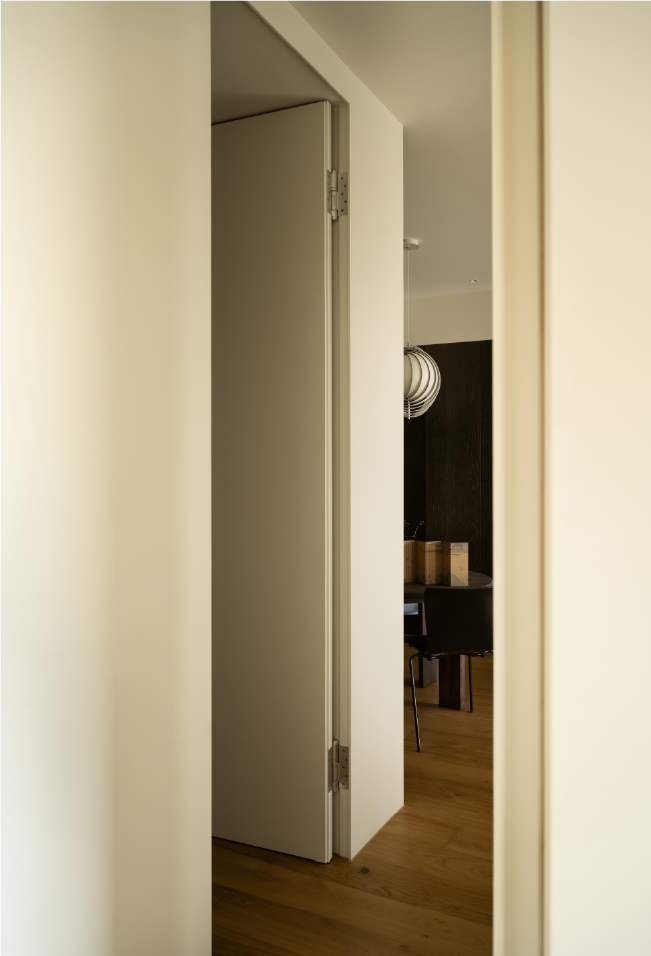
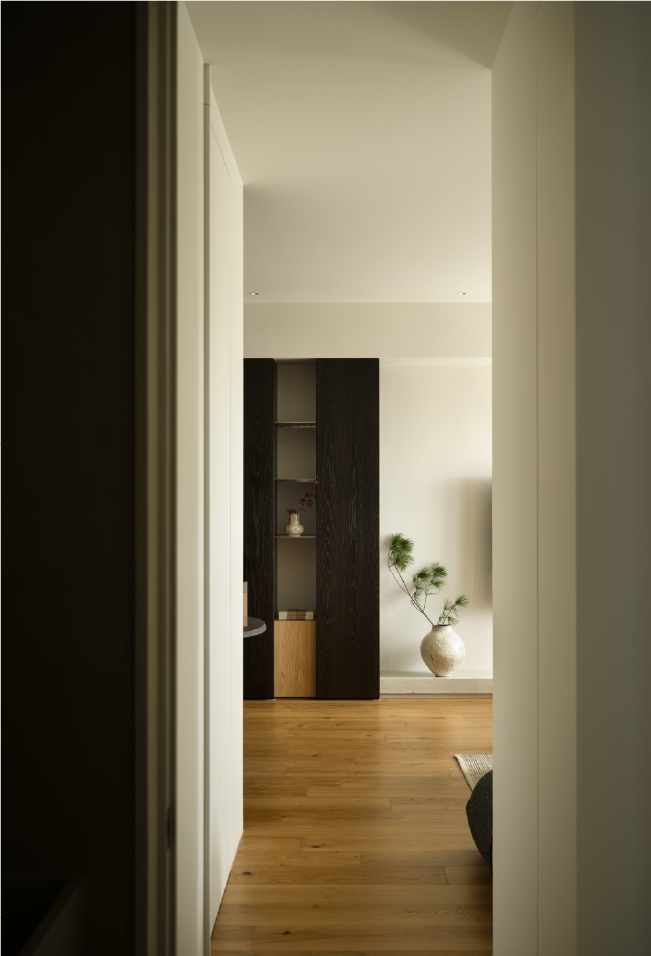
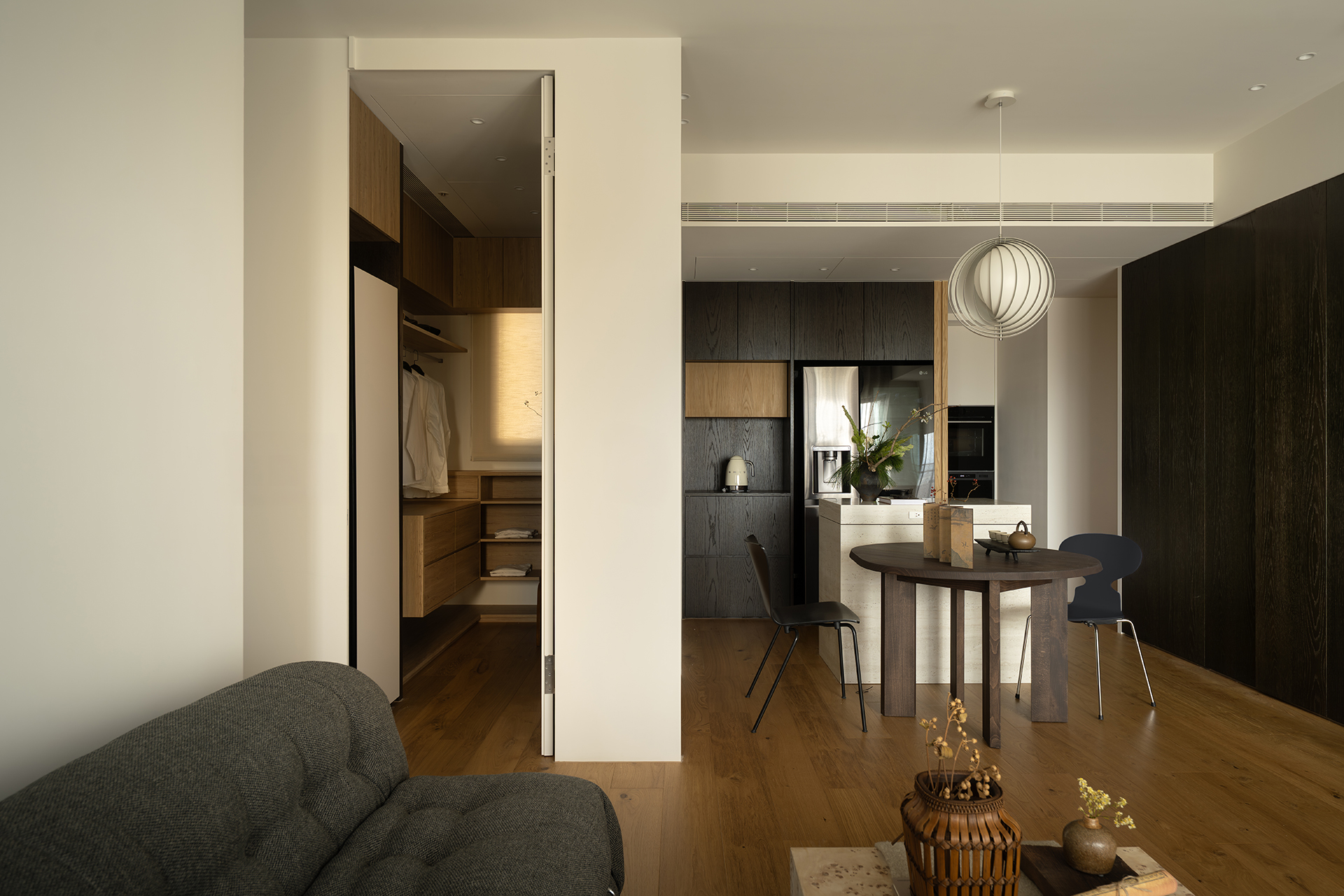
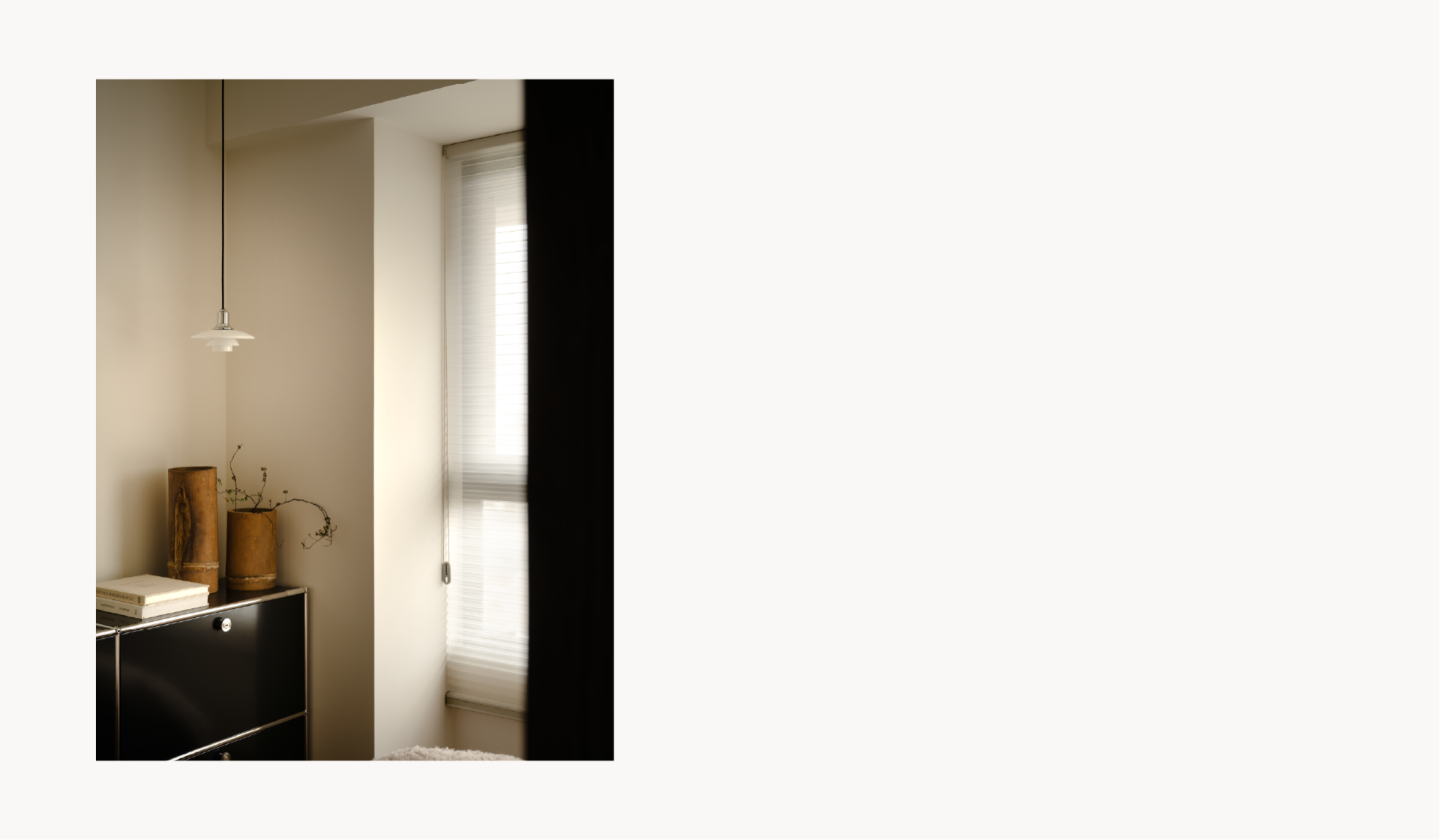
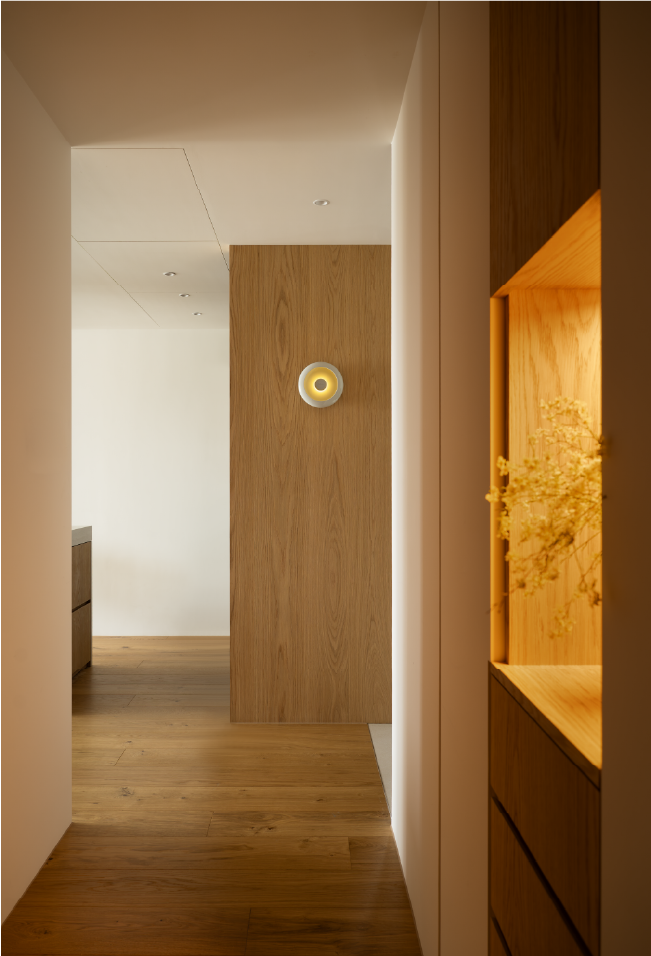
「白」並非主角,而是以留白襯托周遭的張力。黑,是落筆,白,是空留。深色櫃體如墨的厚度,白牆為承載的面,器物如輕筆落入其間。空間的「不填滿」是一種節制,使生活痕跡在日常使用中浮現,而非以物件堆疊出重量。黑與白之間存在一種節奏,不為視覺對立,而為沉靜的延展,像墨落於紙,不求滿幅鋪陳,而在空處留下一口呼吸。光在其中成為留白的一部分,它不只是照明,而是過渡,使黑與白之間保有柔軟層次。
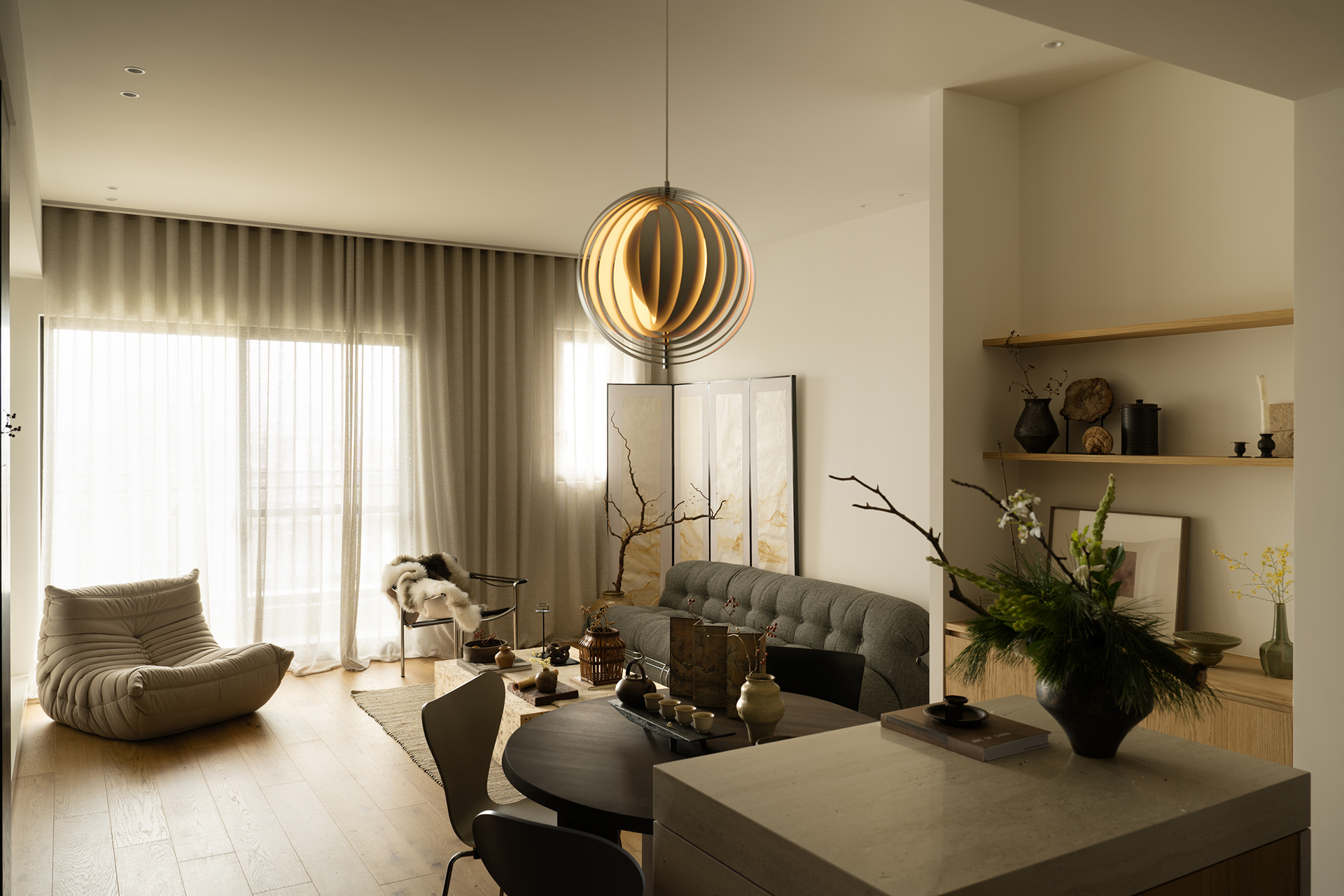
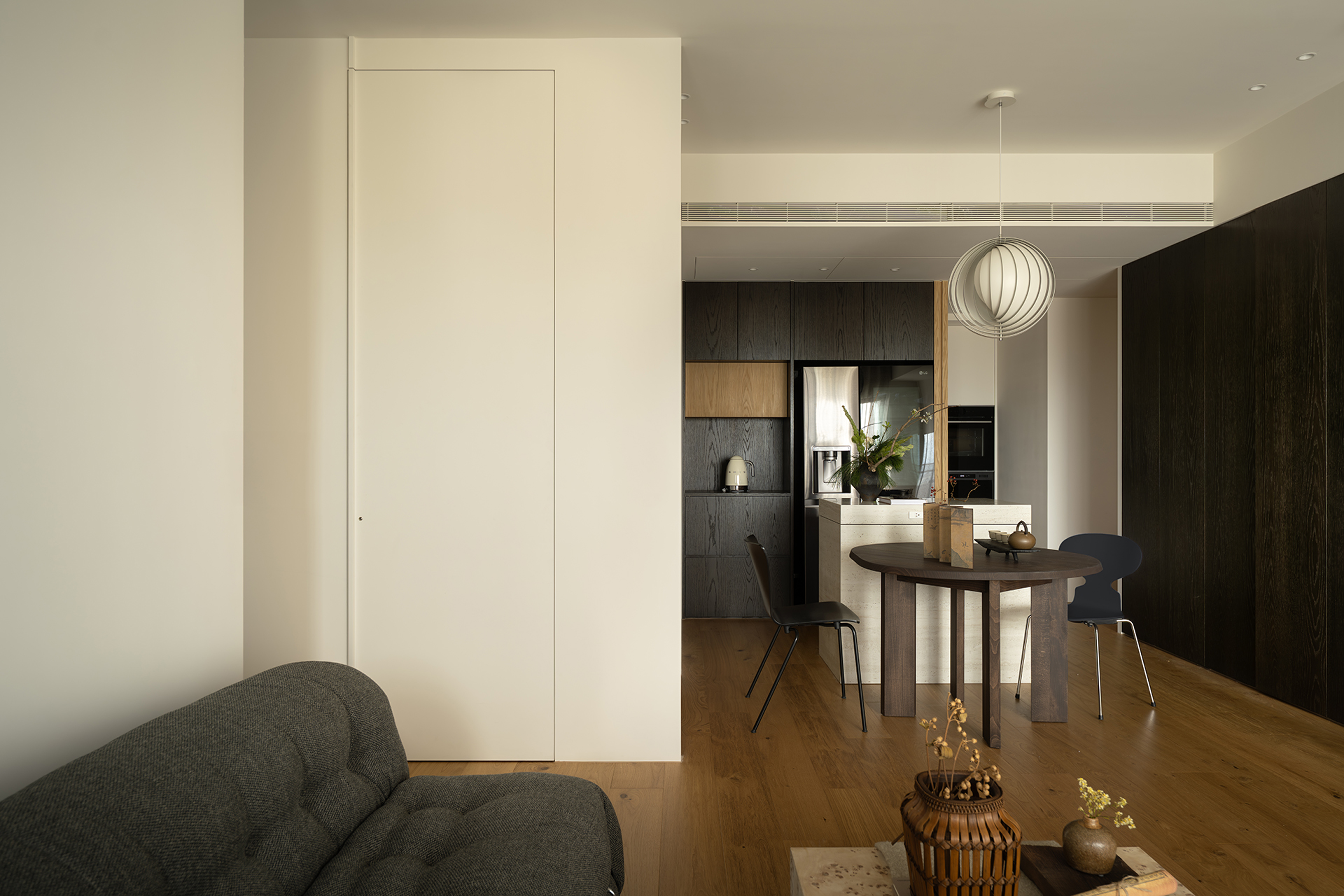
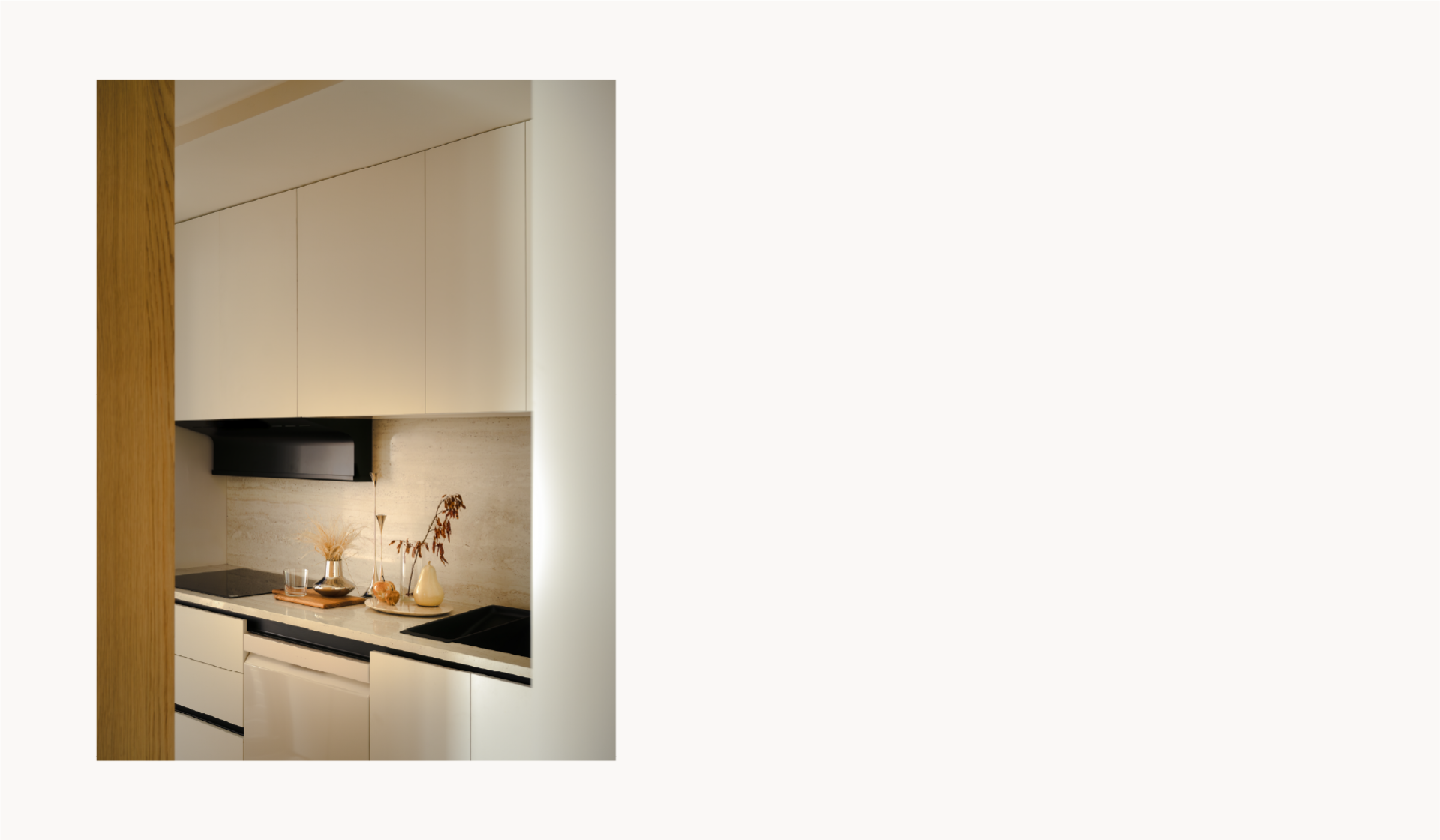
公共領域以中島為軸心展開。它位於冰箱前方,使取物與備餐的動線自然延伸;同時介於廚房與餐桌之間,中島成為兩個場域之間的緩和節點。它隨習慣展開,也能承接日常的多重時刻,包括備餐、簡餐、交談與短暫停留,動作如墨線在紙上延伸,沒有刻意形狀,卻帶出方向。中島的價值不在形體,而在於容納,它形成生活節奏,使日常在不被說明中發生。
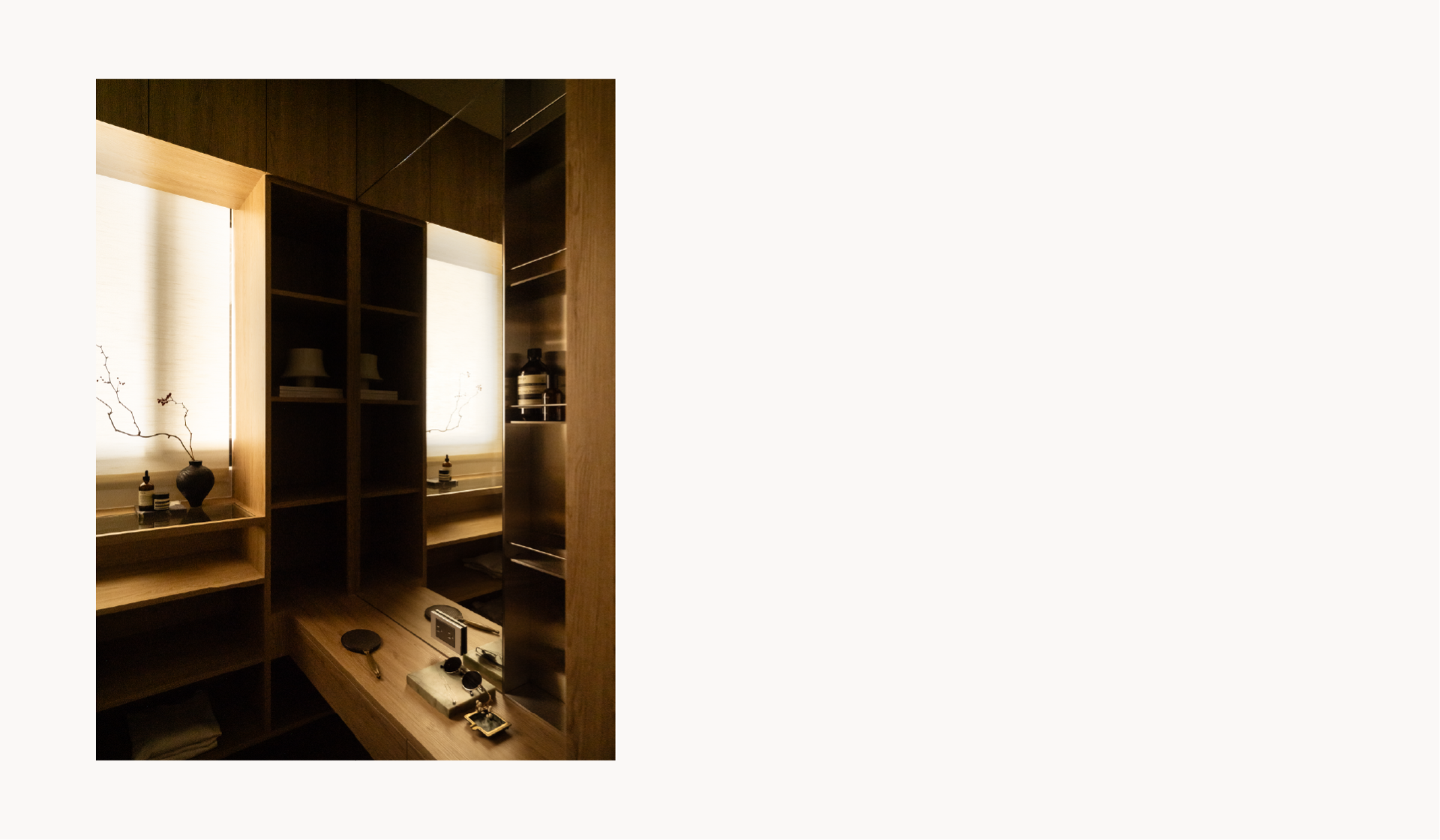
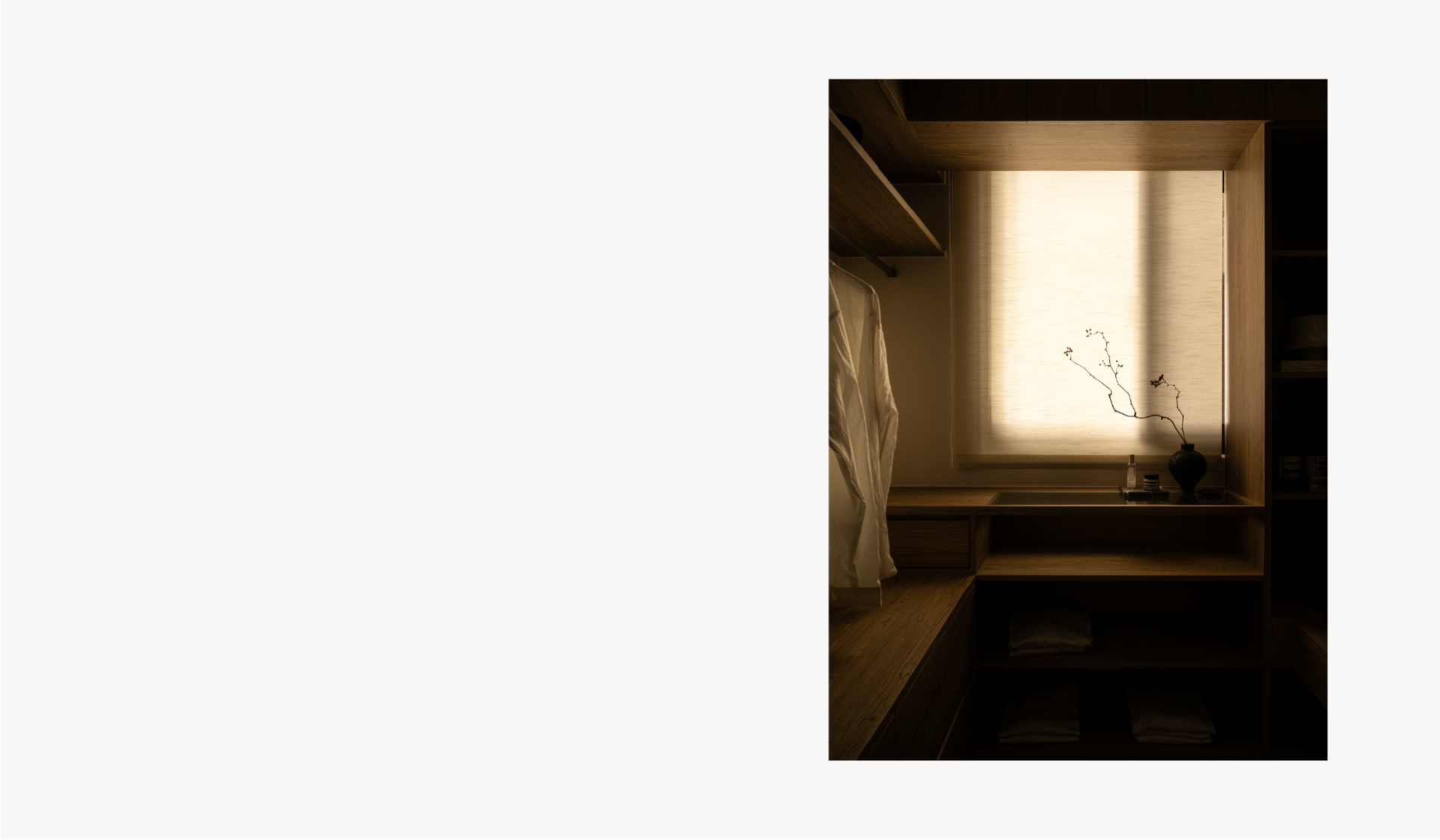
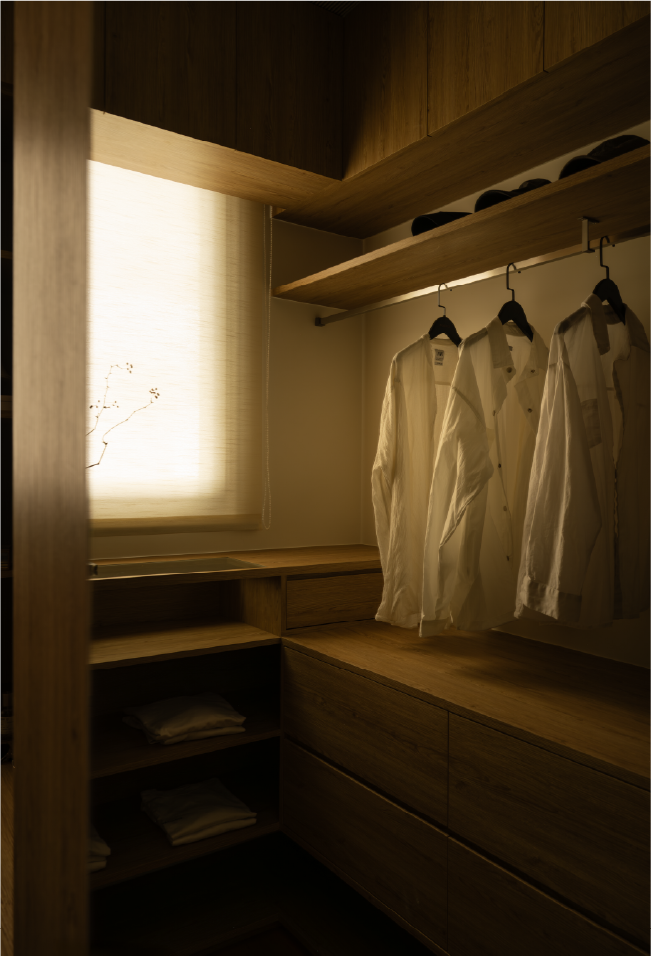
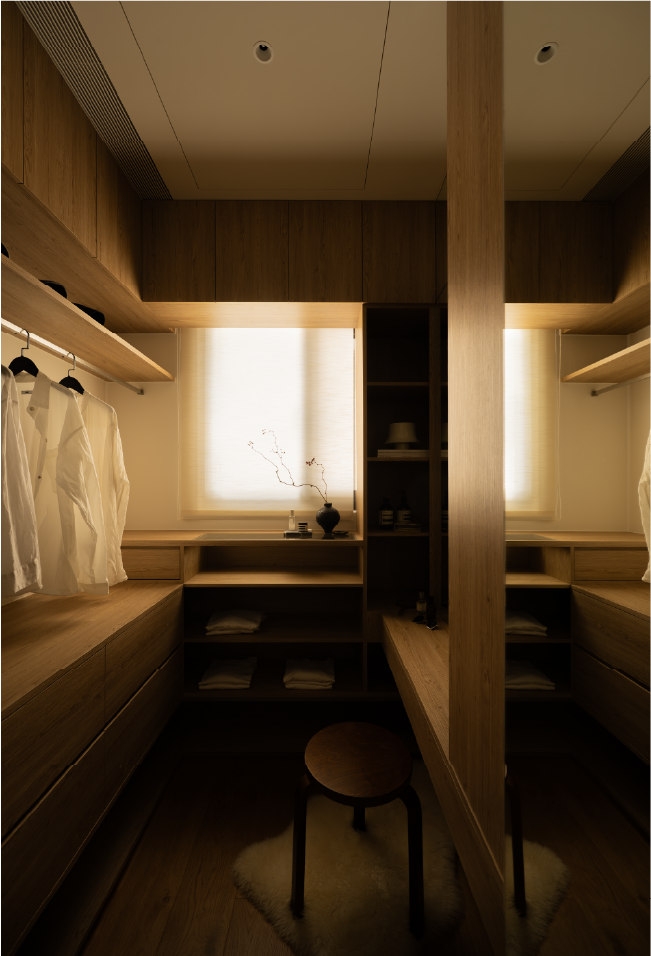
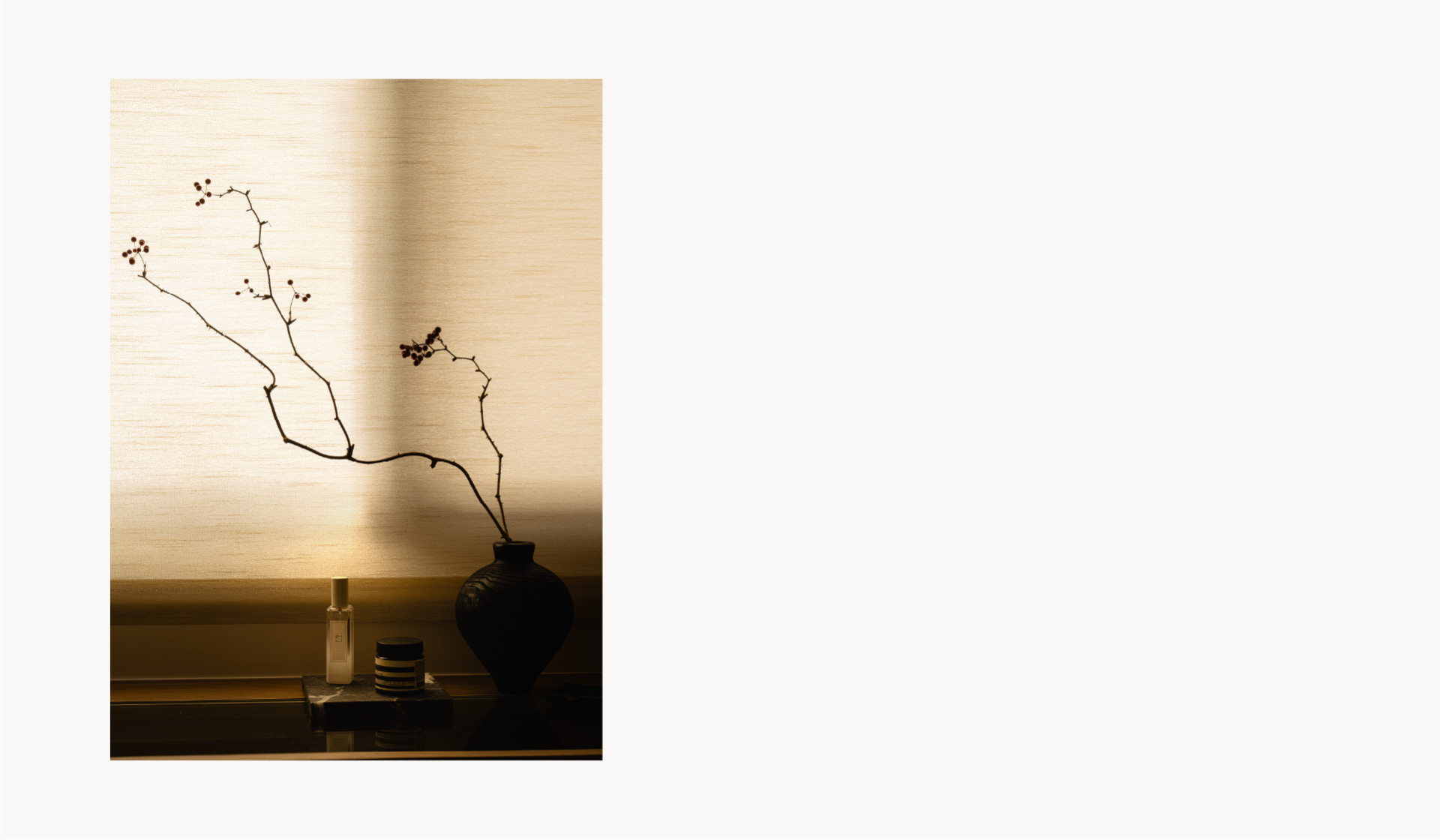
私人領域以更衣室為序章,它不附屬於臥室,而被定義為一個自主空間,承載自我整理。衣物、妝容與心緒在自然光落下的位置輕柔排列,化妝桌安置於光影最和緩的方向,晨光如薄幕映在鏡面,開啟日常自我對話的節奏。此處的光延續留白理念,光是一種行為性的介入,不作裝飾,而以存在本身改變空間的呼吸。
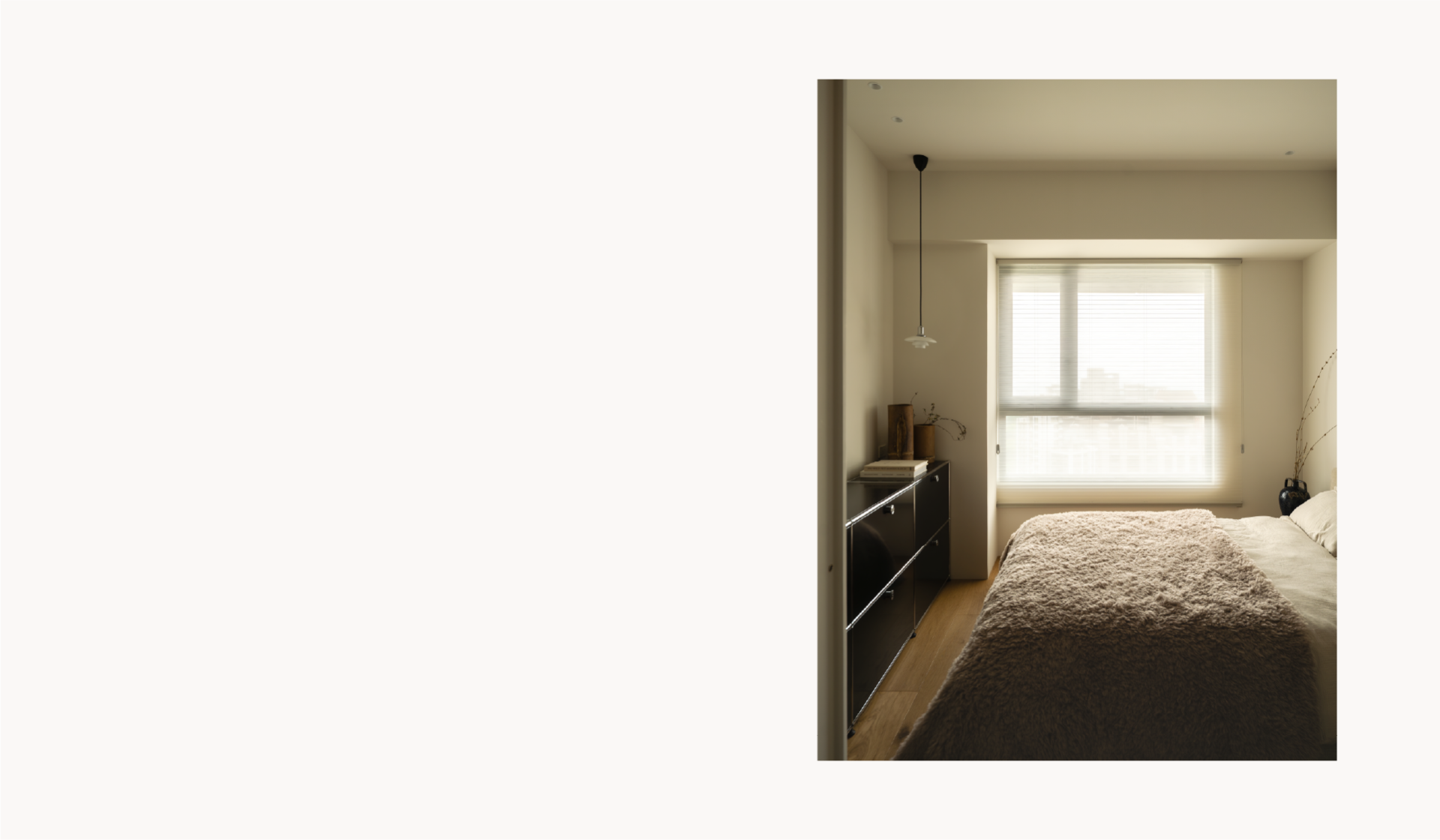
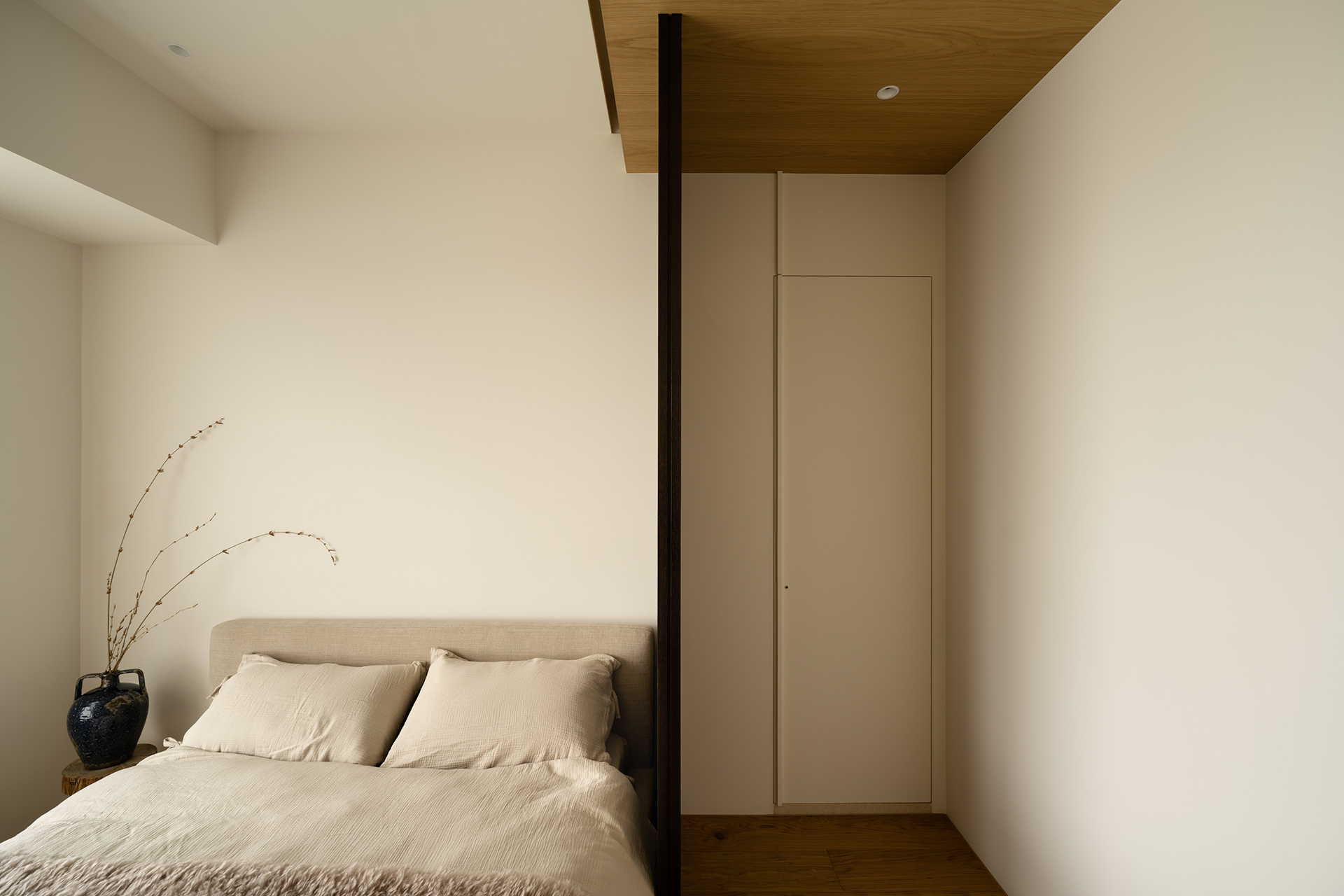
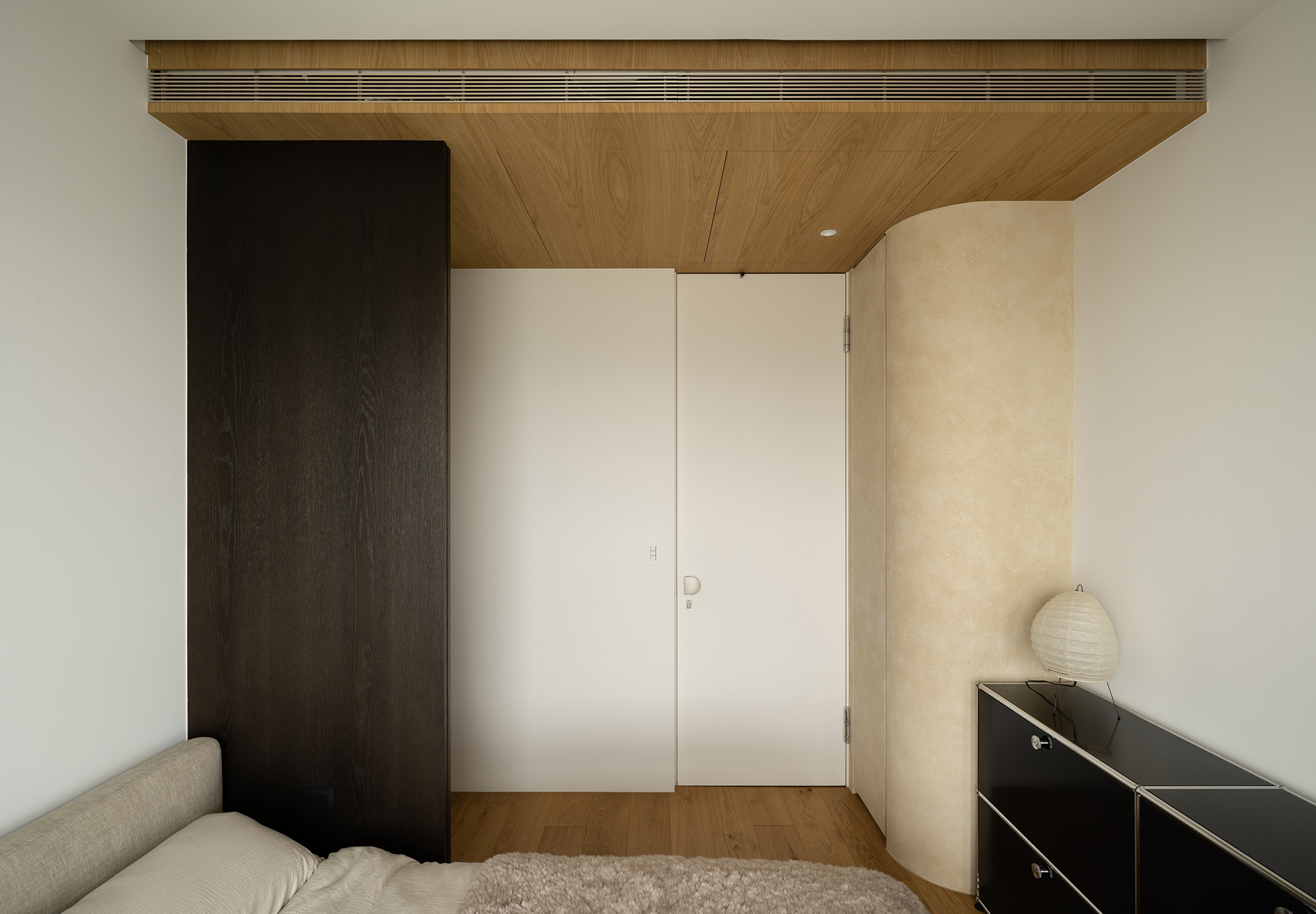
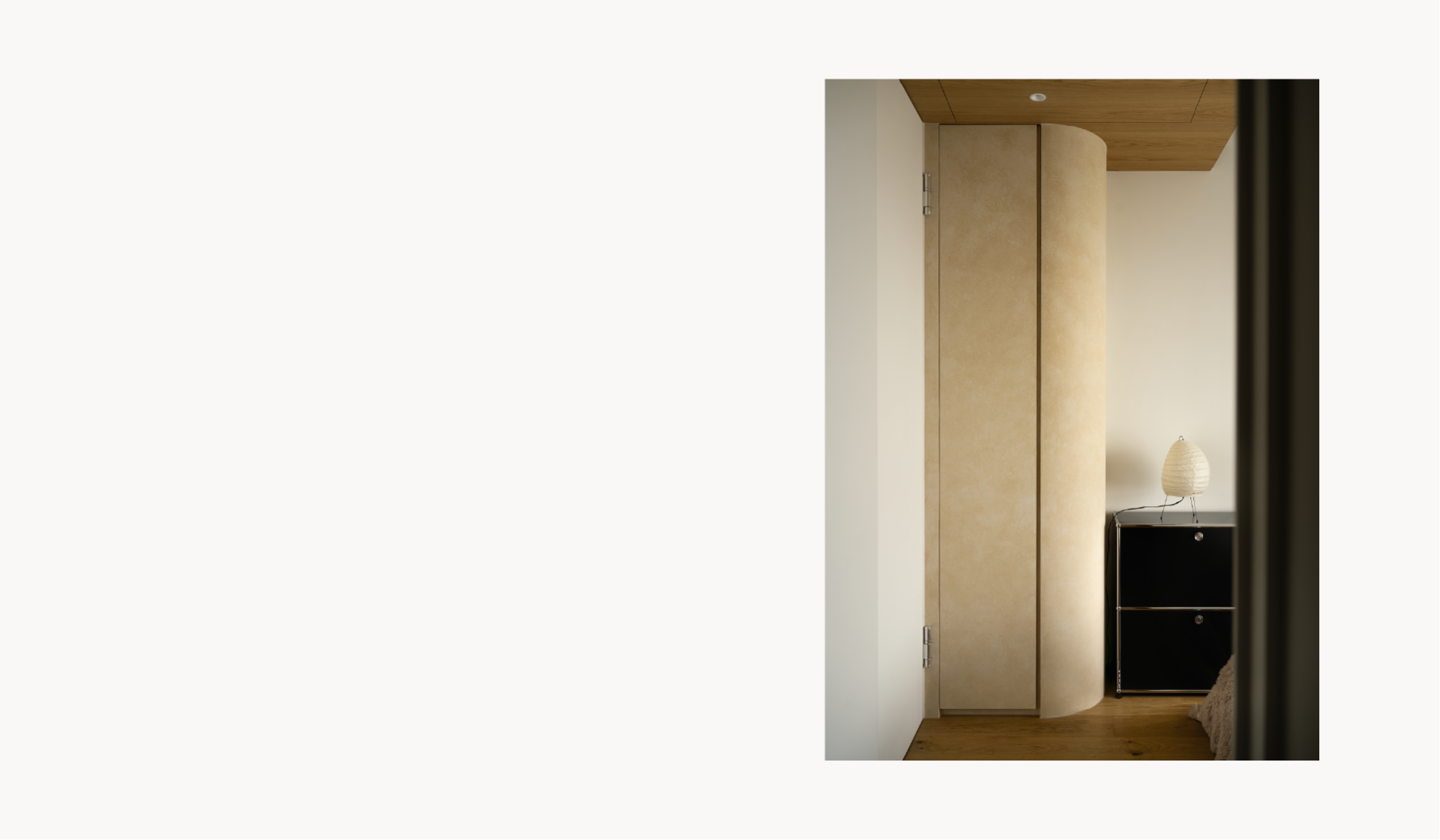
臥室的語境延續公共區域,以白為面、深色為筆。單一木作衣櫃如低調落筆,融於整體調性,不多作炫示,而以極簡姿態回應主人的生活方式,使私領域不追求形象,而追求沉靜,休憩因此回到真正的目的,而非展示。
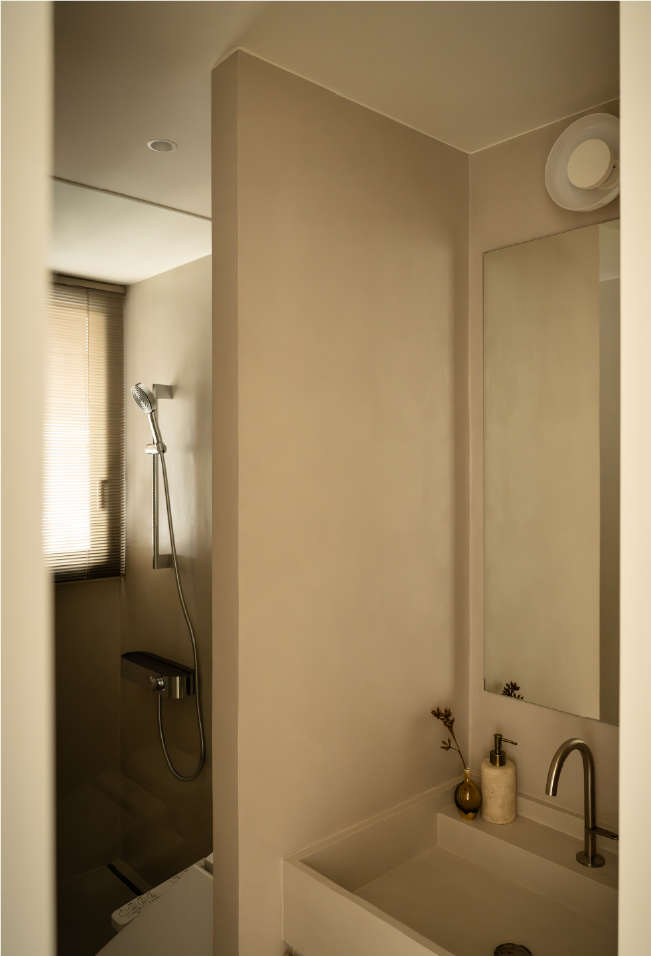
浴室沉靜地承接這份節奏,以單一質地延伸整體語言,捨去視覺分割,使日常清潔轉化為安靜停留。光落在面上,沒有反射的喧嘩,只有柔和的昇華,如墨色在紙面乾涸,只留下沉穩痕跡。侘寂在此不是表象,而是一種寧靜狀態,讓空間在留白之中顯得完整。
本案將空間視為一個開放框架,設計建立邏輯、結構與秩序,居住者以生活填補空白。空間的「未填滿」不是缺席,而是一種容納,使日常在其中延展與累積,並以使用書寫自身。黑與白之間,存在無數不被定義的細節,而生活正是將其完成的筆觸。
White is not the protagonist, but a pause that heightens the tension around it. Black is the stroke, white is the held breath. The dark cabinetry carries the depth of ink, the white wall becomes its ground, and objects settle lightly between them. The restraint of leaving things unfilled allows traces of living to surface through use rather than through the weight of accumulated objects. Between black and white lies a rhythm that is not a visual opposition but a quiet unfolding, like ink on paper that refuses to cover the full page and leaves room for a single breath. Light becomes part of this empty space, not simply a tool of illumination, but a transition that softens the layers between darkness and white.
The public realm unfolds around the kitchen island. Positioned in front of the refrigerator, it extends the movement of preparing and reaching for food, while also serving as a threshold between kitchen and dining table. It evolves from daily habits and receives multiple moments of the day, including cooking, casual meals, conversation and short pauses. These gestures flow like a line of ink across paper, without a fixed form yet carrying direction. The island’s value lies not in its shape, but in its capacity to hold a rhythm of living, allowing everyday life to happen without explanation.
The private realm begins with the dressing room. Independent from the bedroom, it is a self-contained space for personal arrangement. Clothing, makeup and thoughts settle gently where natural light falls, while the vanity rests in the softest direction of light, where morning appears like a thin curtain on the mirror and opens the daily dialogue with oneself. Here, light continues the notion of emptiness and acts as an intervention rather than decoration. Its simple presence changes the breathing of the space.
The bedroom continues the shared language of the public area, holding white as the surface and deeper tones as the stroke. A single wooden wardrobe stands as a modest line of ink, merging quietly into the atmosphere and responding to the resident’s lifestyle through simplicity rather than display. The private room seeks calm rather than image, so rest returns to its true purpose instead of becoming an exhibit.
The bathroom carries this rhythm into a quiet state of wabi-sabi, extending the material language without visual division and turning daily cleansing into a moment of stillness. Light falls onto the surface without loud reflection, creating only a soft ascent, like ink drying on paper and leaving a steady trace. Wabi-sabi here is not an aesthetic gesture but a state of stillness, allowing the space to feel complete through emptiness.
The project views space as an open framework. The design establishes logic, structure and order, while the inhabitants fill the blanks with their lives. What remains unfilled is not absence, but a form of capacity, allowing the everyday to extend and accumulate and eventually write itself. Between black and white lies an infinite field of undefined detail, and life becomes the stroke that completes it.