
Lihao Design Creator 00049
這座藏身於市區的 49 年老屋,我們以「時間的承接與延展」作為設計的起點,在既有結構之中,形塑一處與時間交織的咖啡場域。設計回應人的感知與使用方式,從日常經驗出發,建立一種以人為本的空間關係。
因此,設計從「留存」與「材質」兩個面向展開。
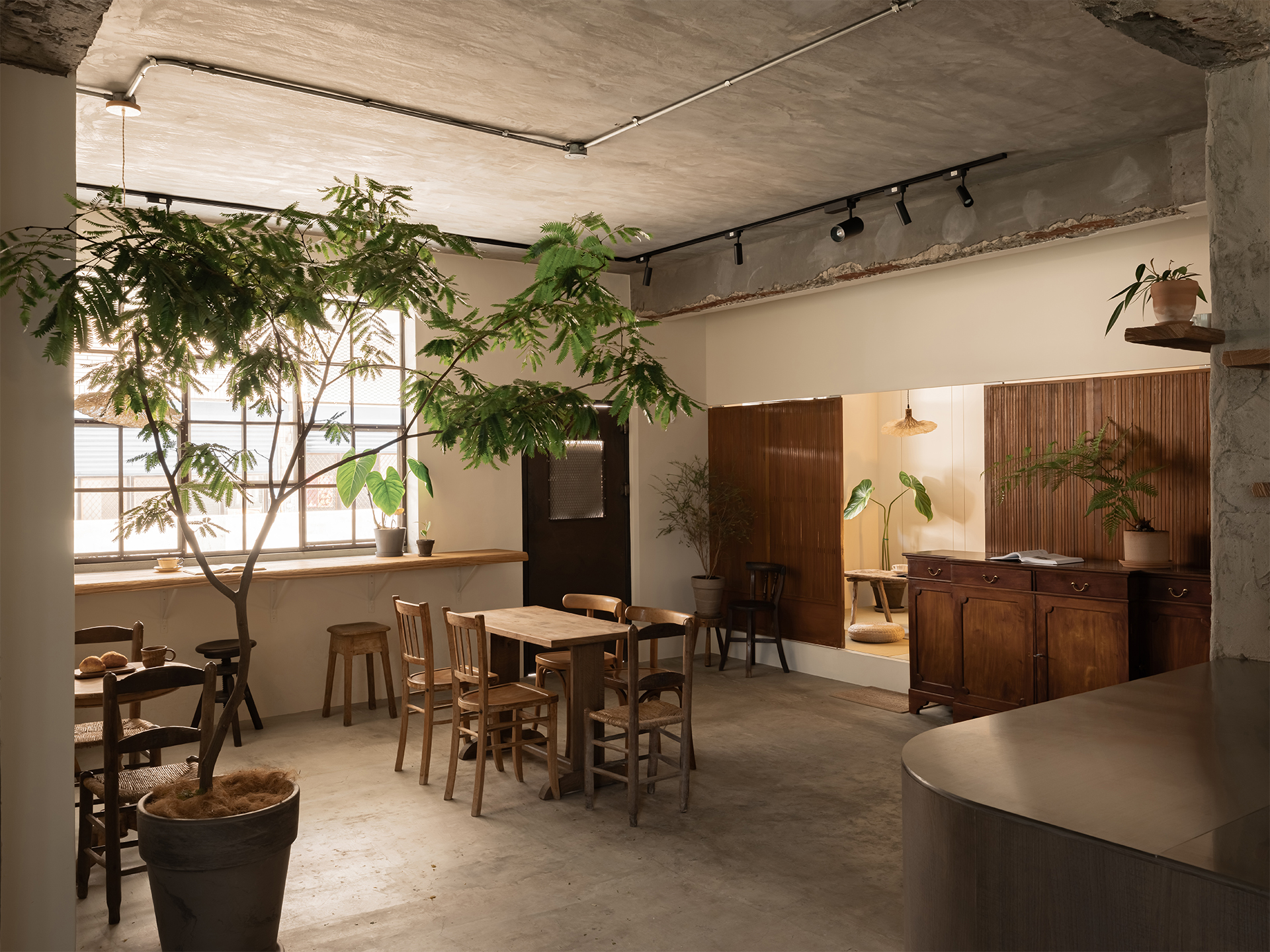
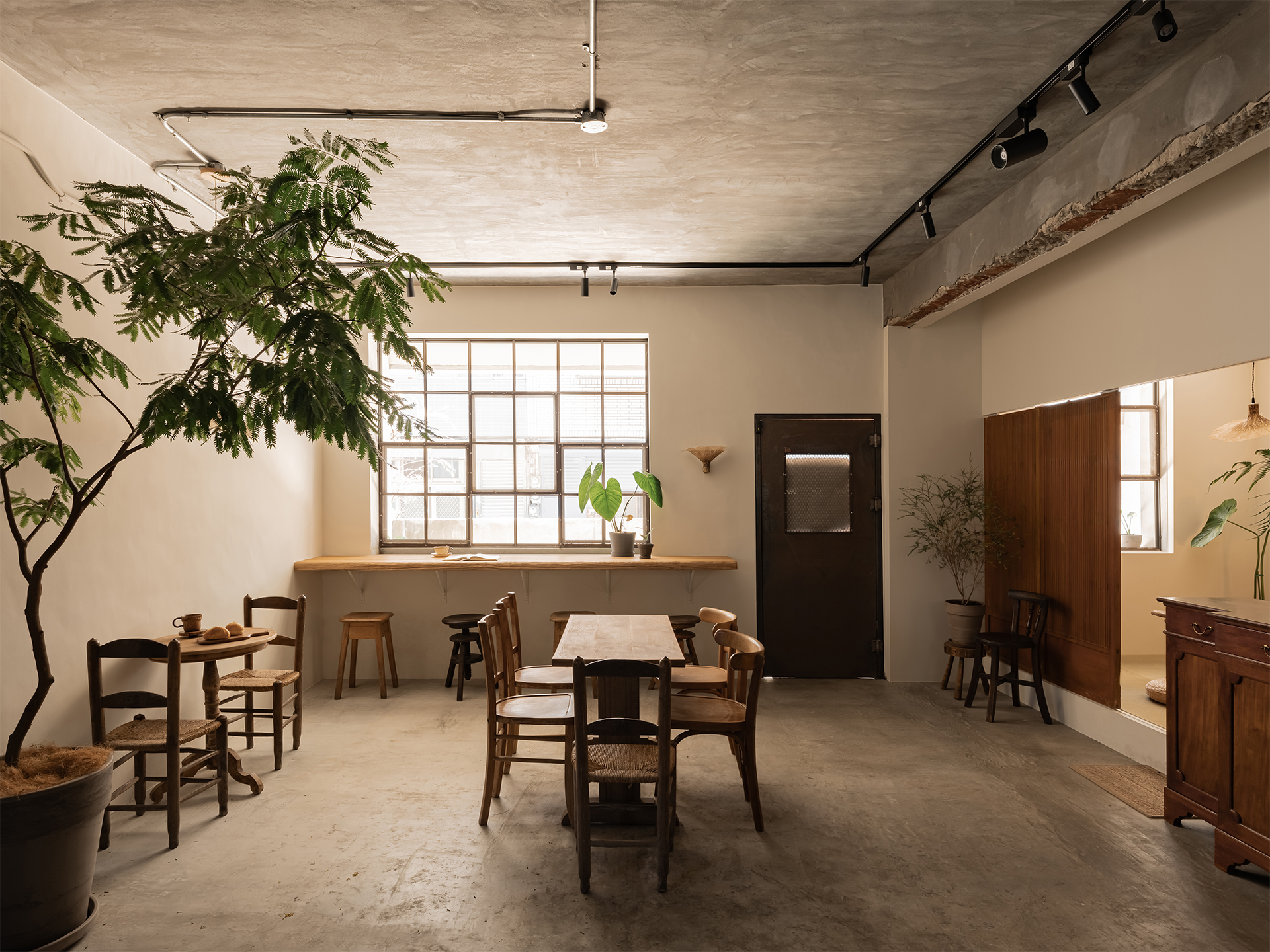
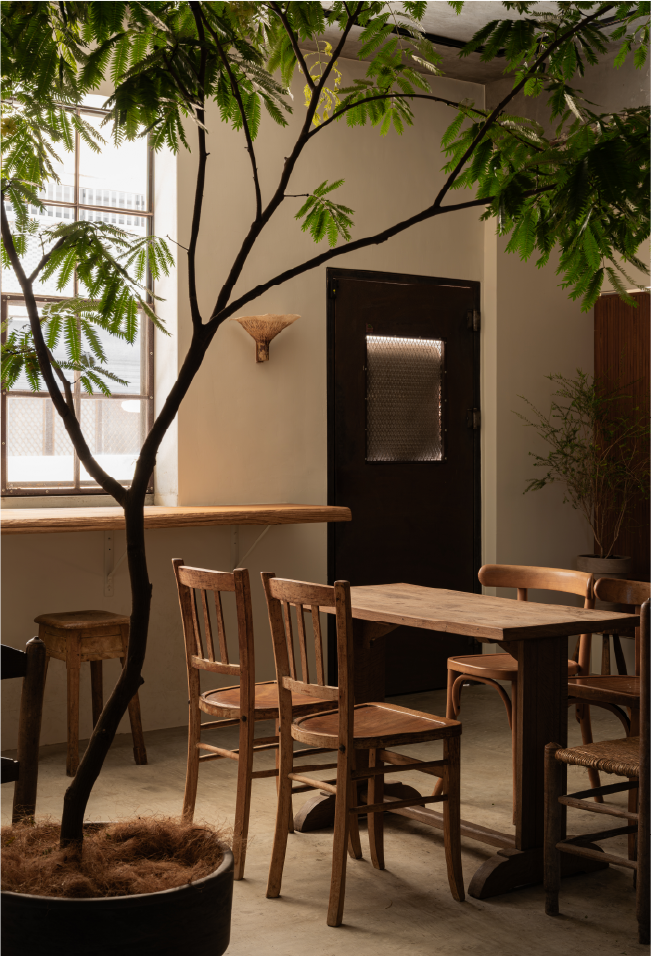
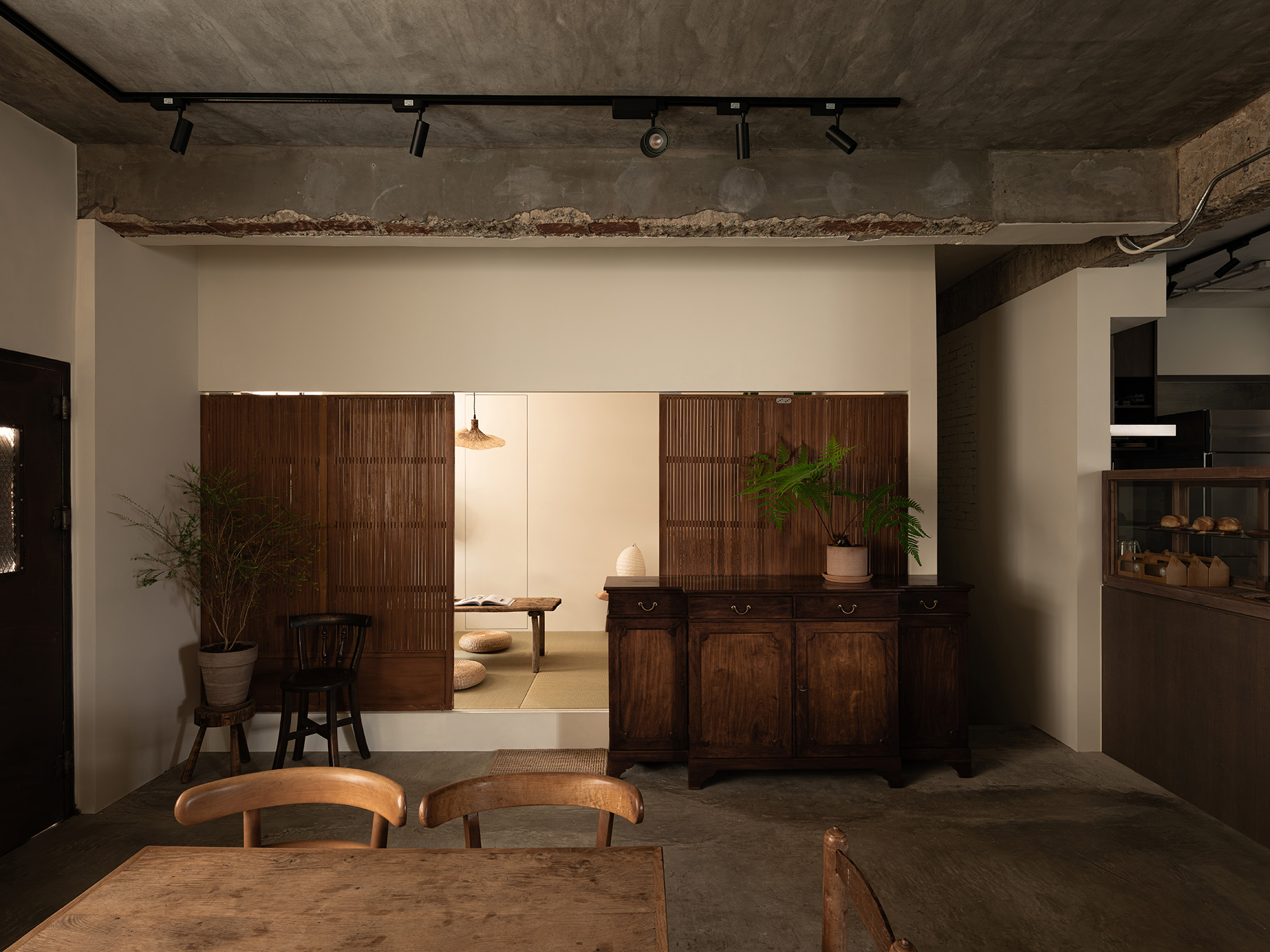
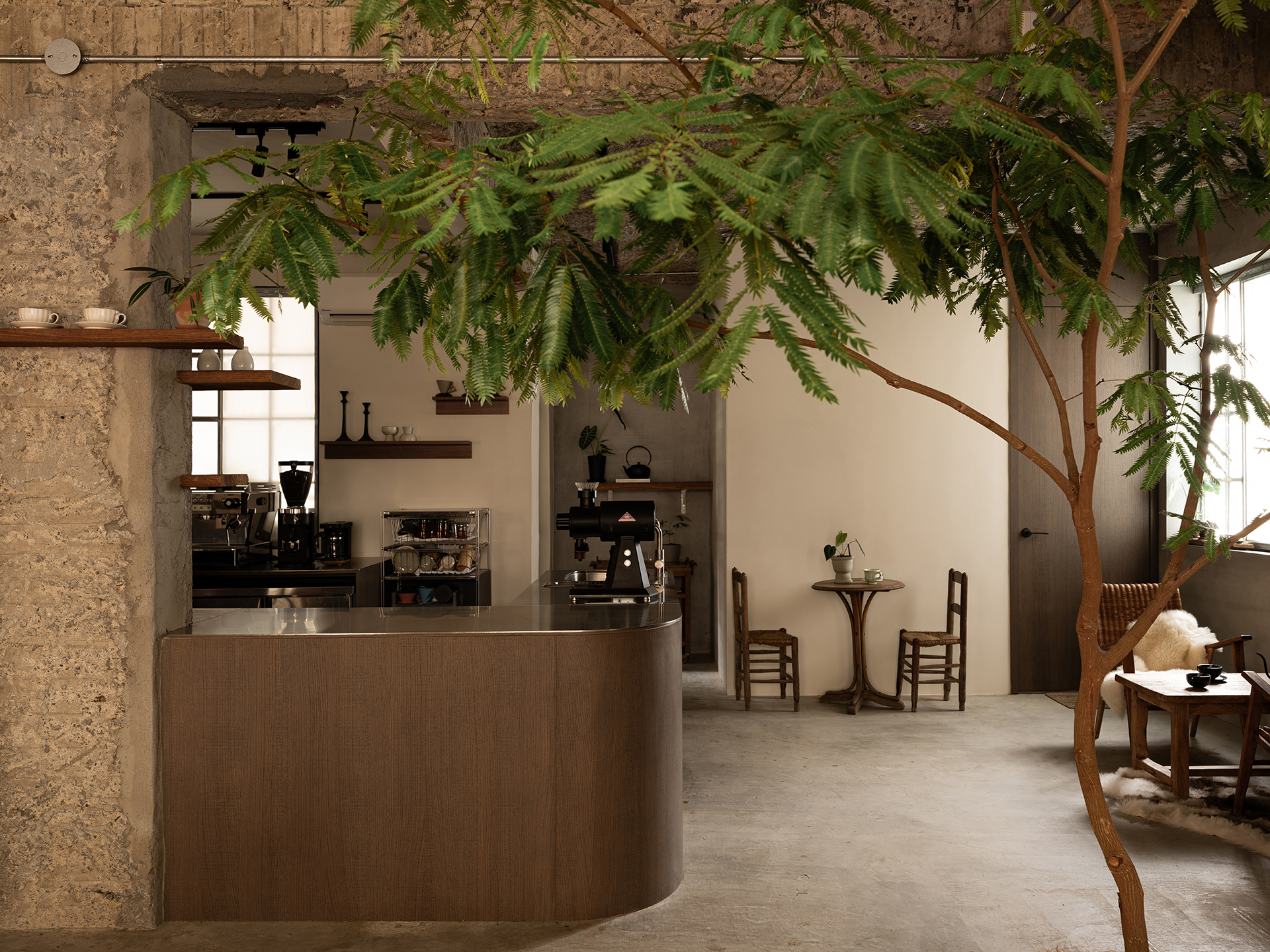
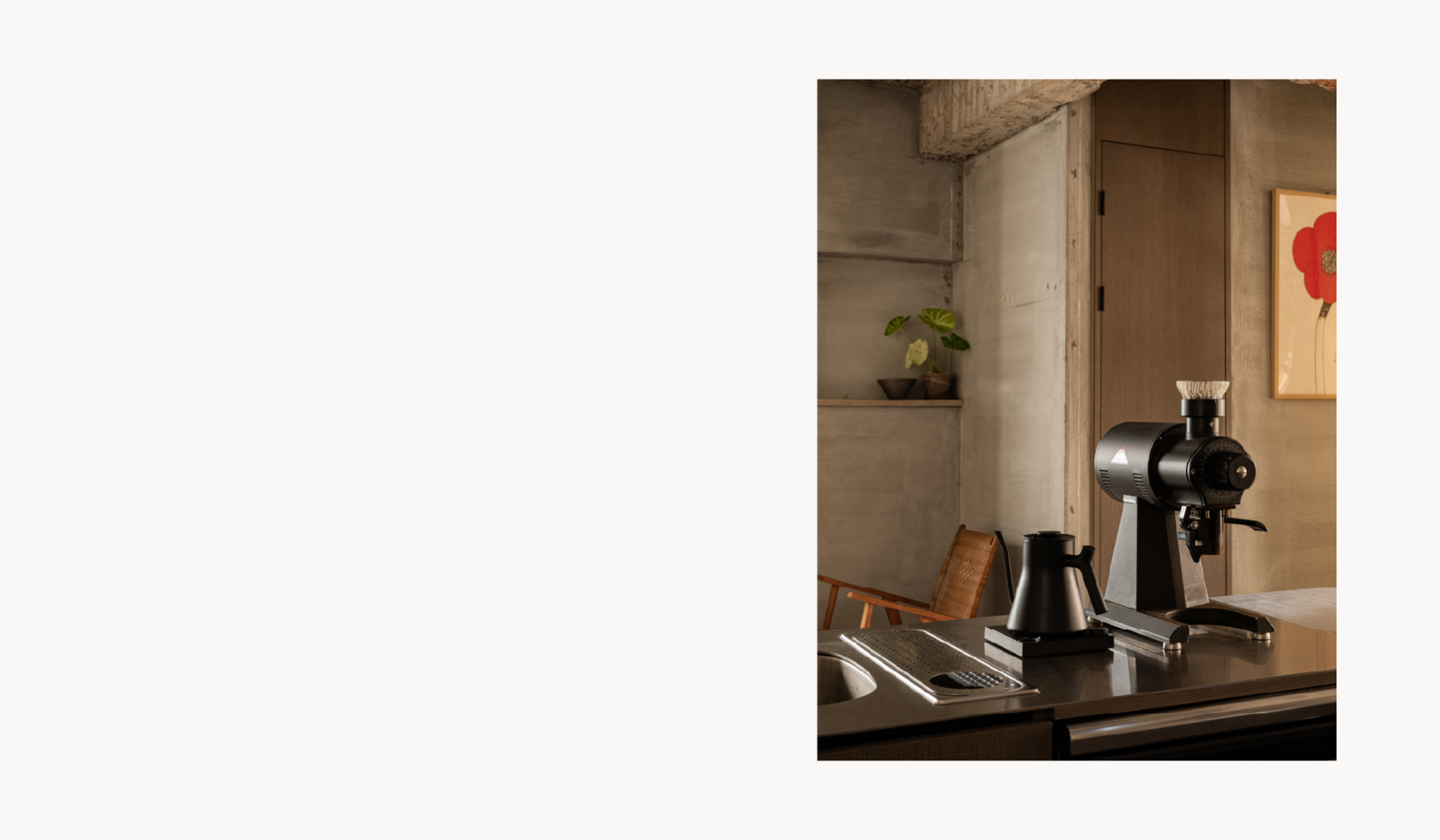
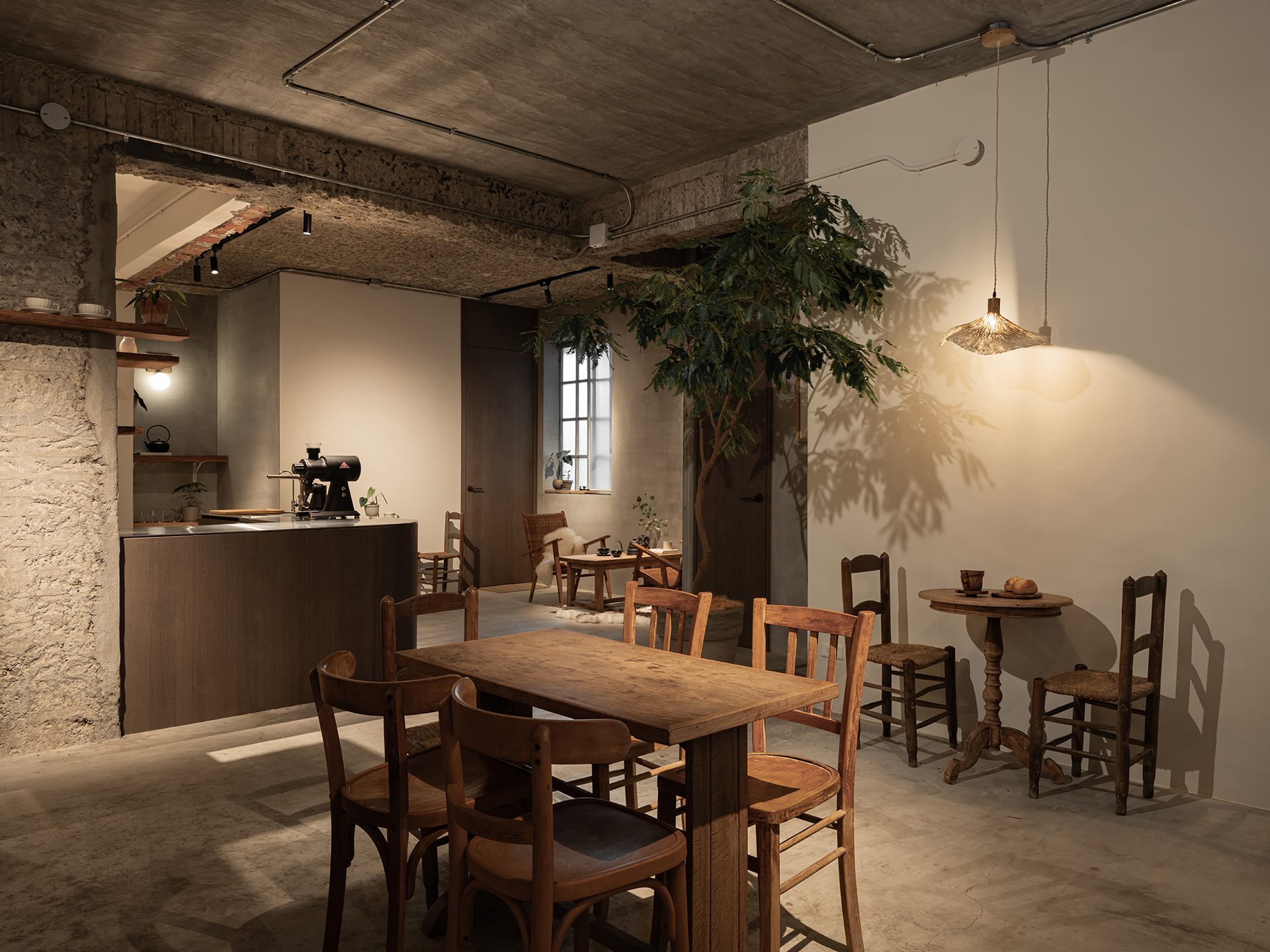
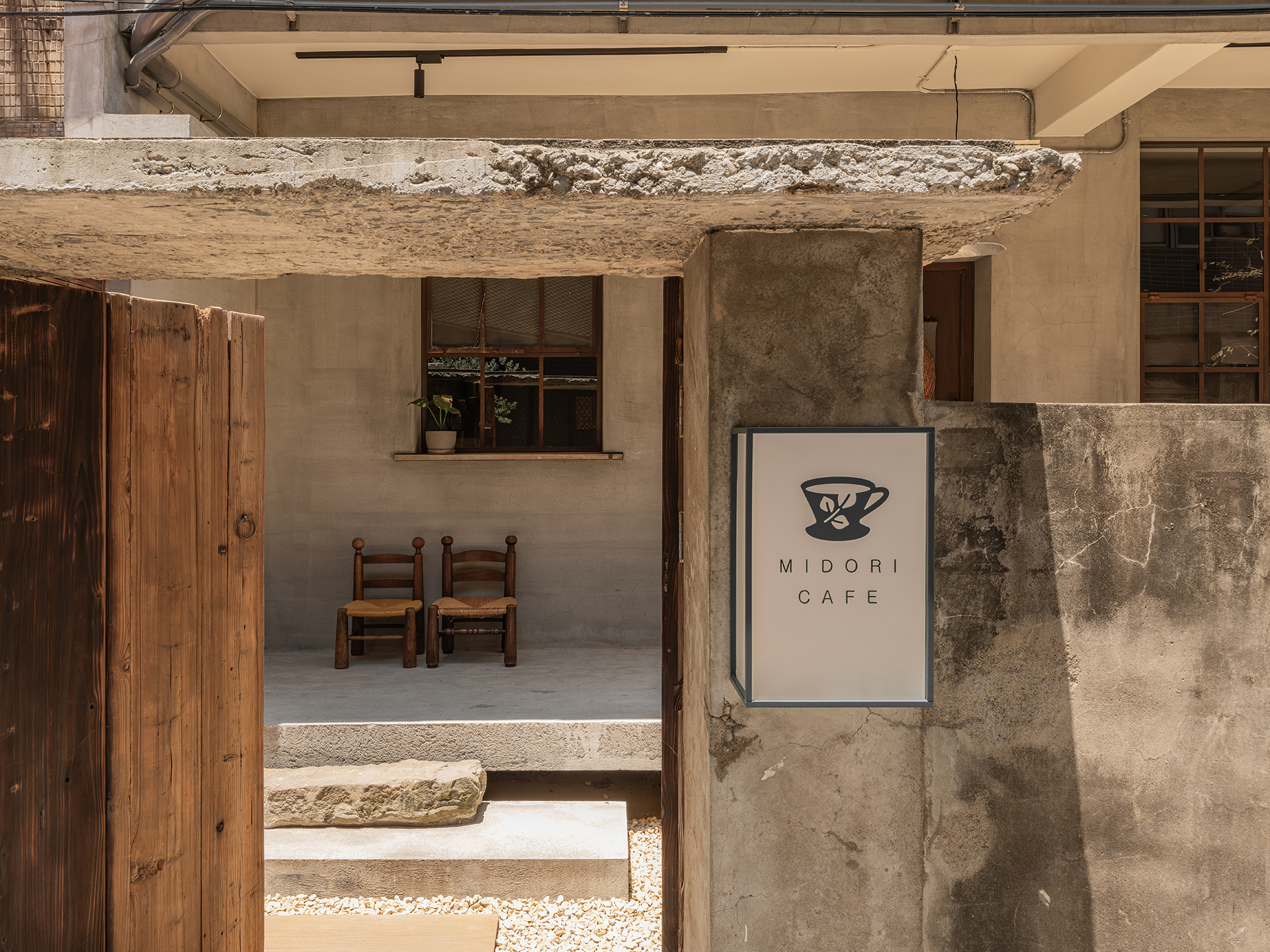
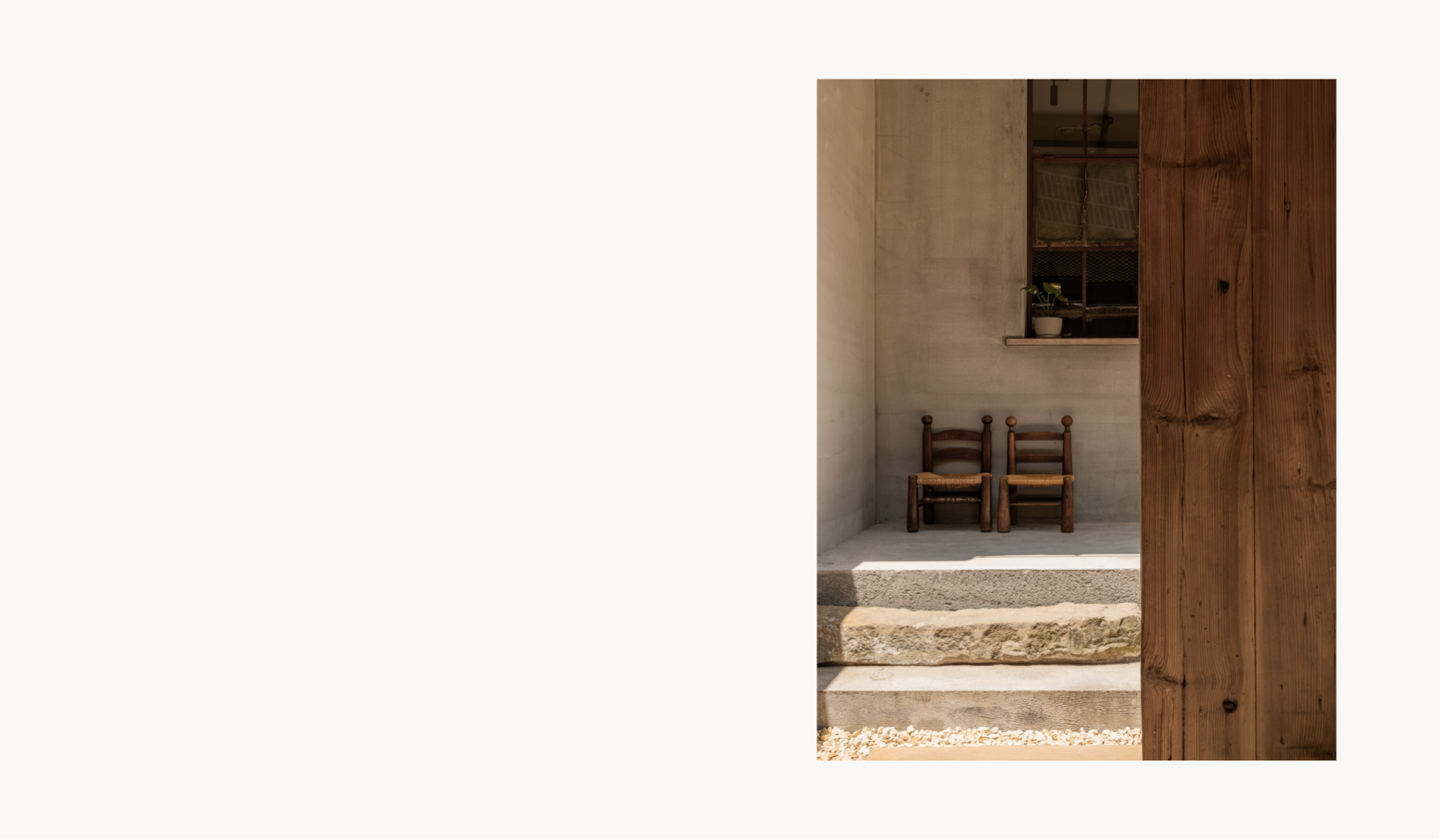
牆面、梁柱、斑駁的木材與帶有磨損痕跡的地磚,皆被完整保留,成為時間累積的證據;而那些未經修飾的表面,使歲月得以在此停留,也讓空間在舊有的輪廓中持續生息。透過對既有結構與材料的保留與再利用,降低不必要的更動,使空間在更新之中回應永續的價值。
在這樣的基礎之上,設計順著原有肌理延展,並於保存之中融入新的層次。
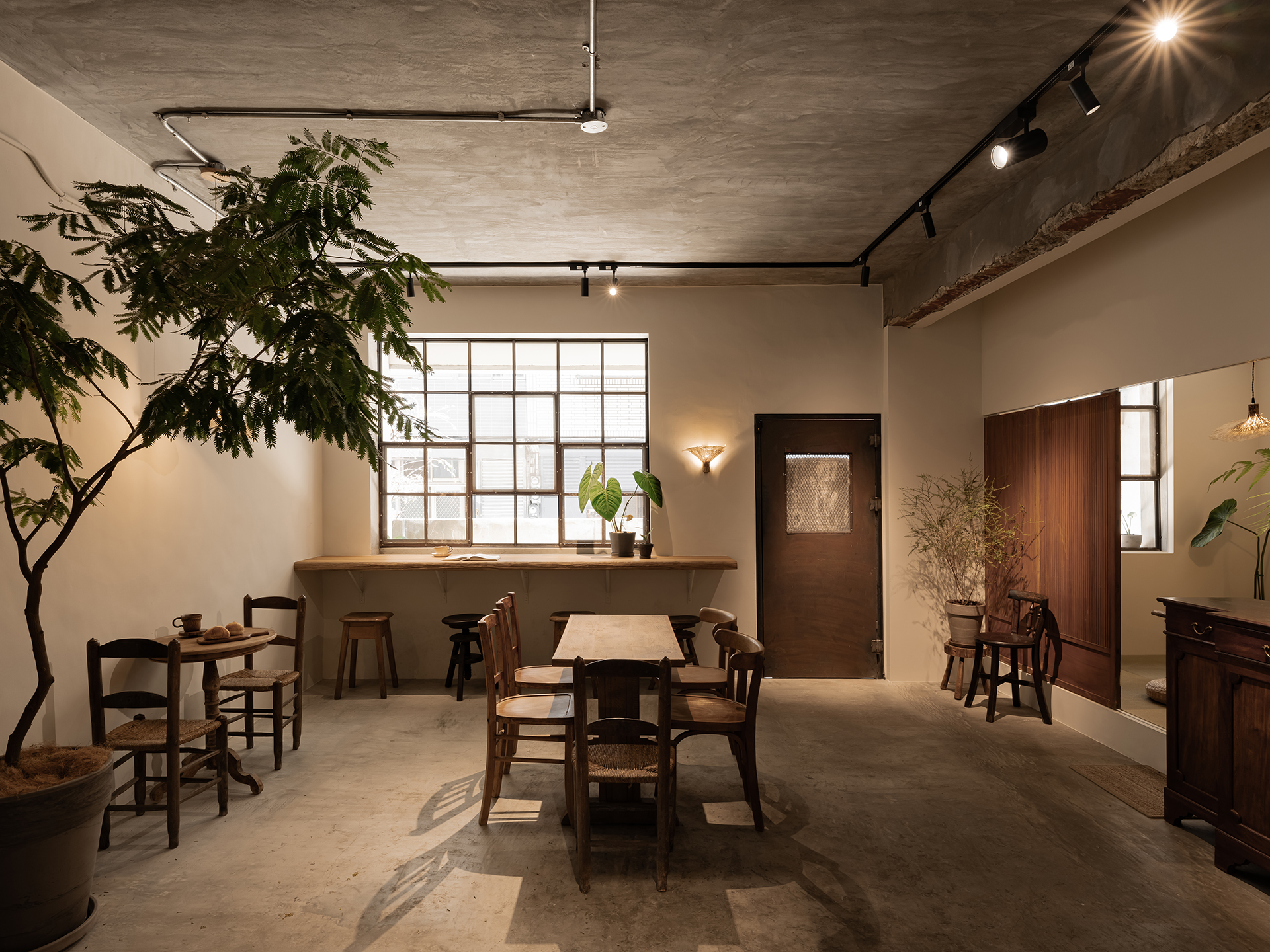
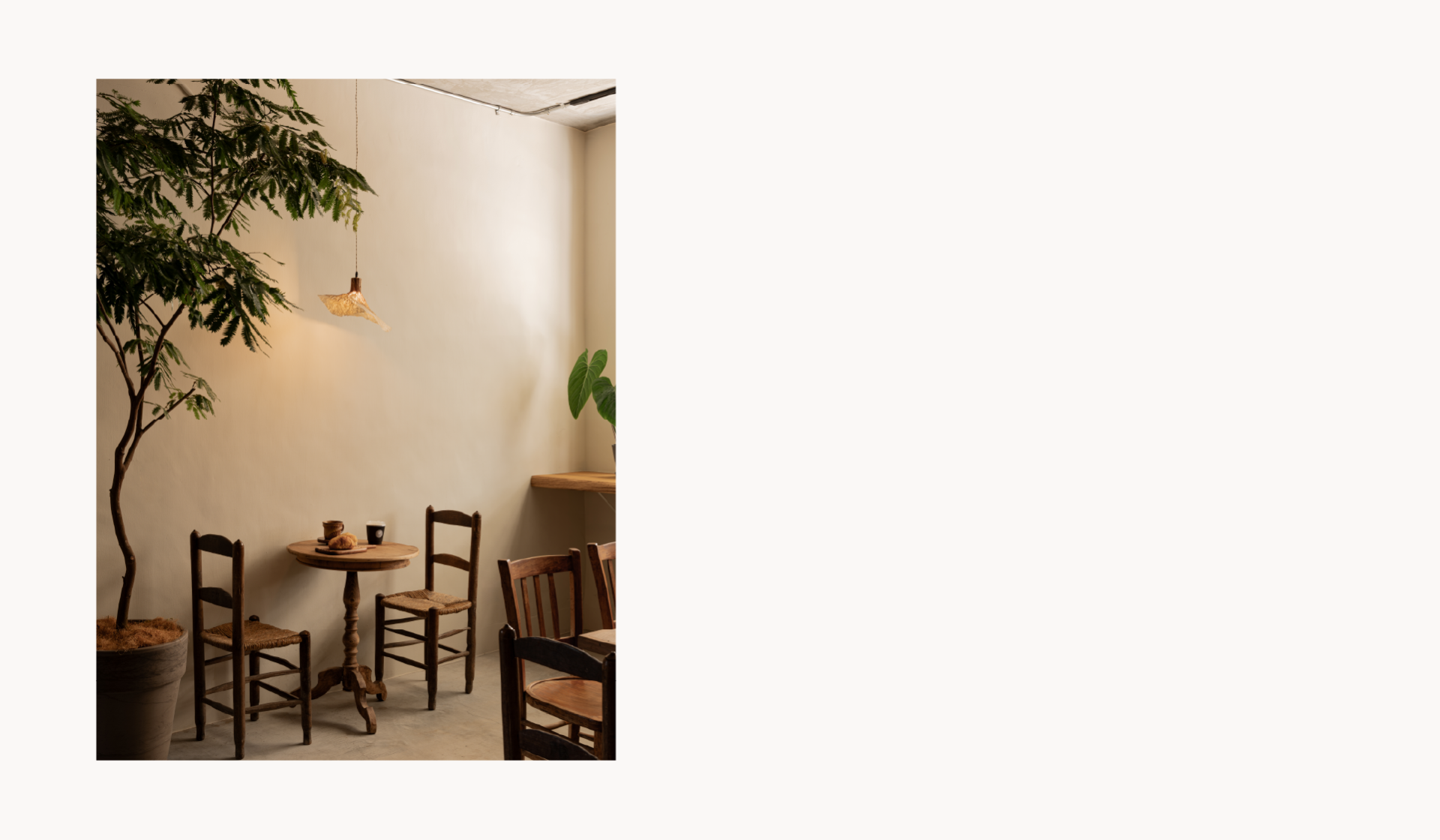
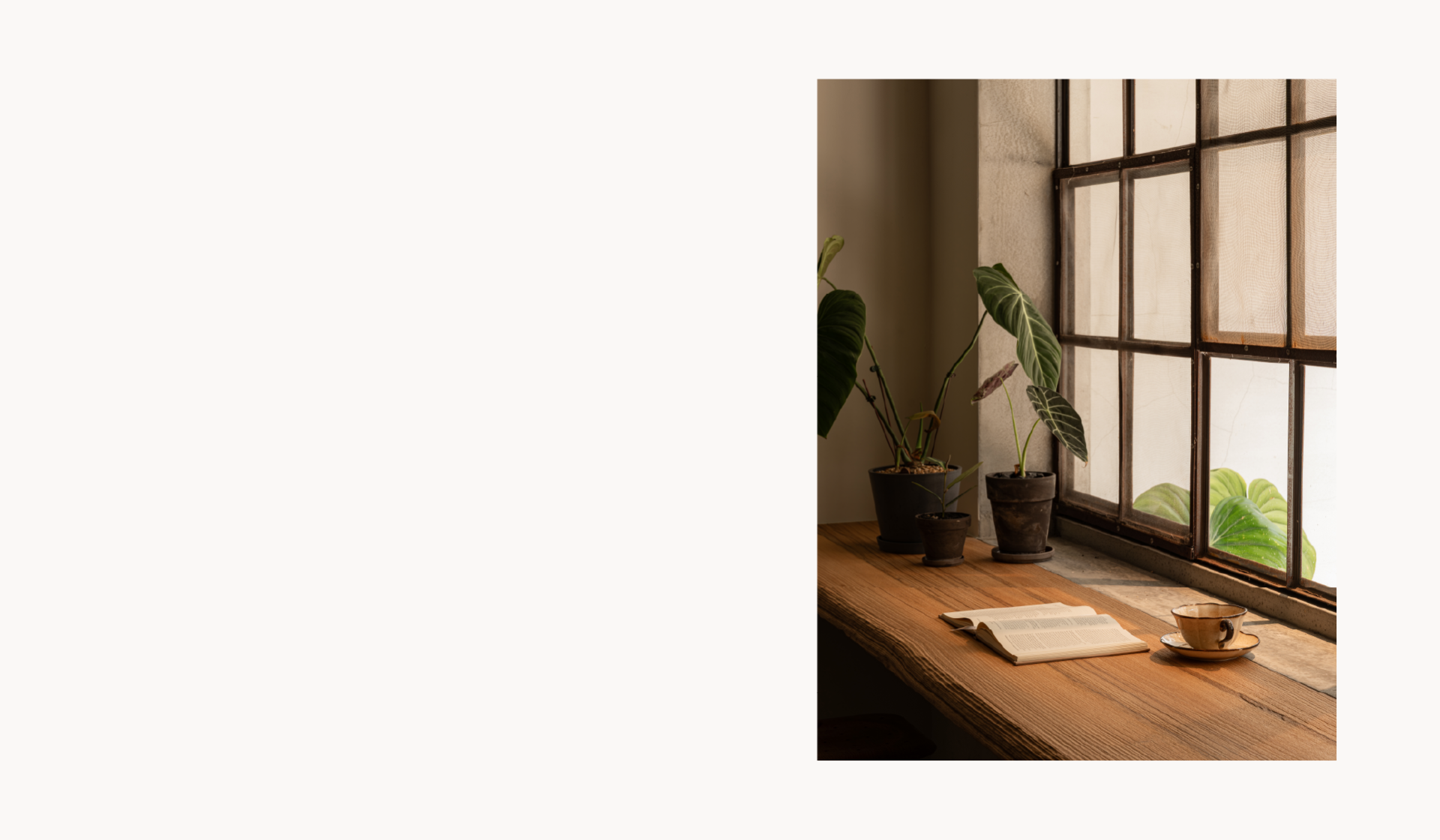
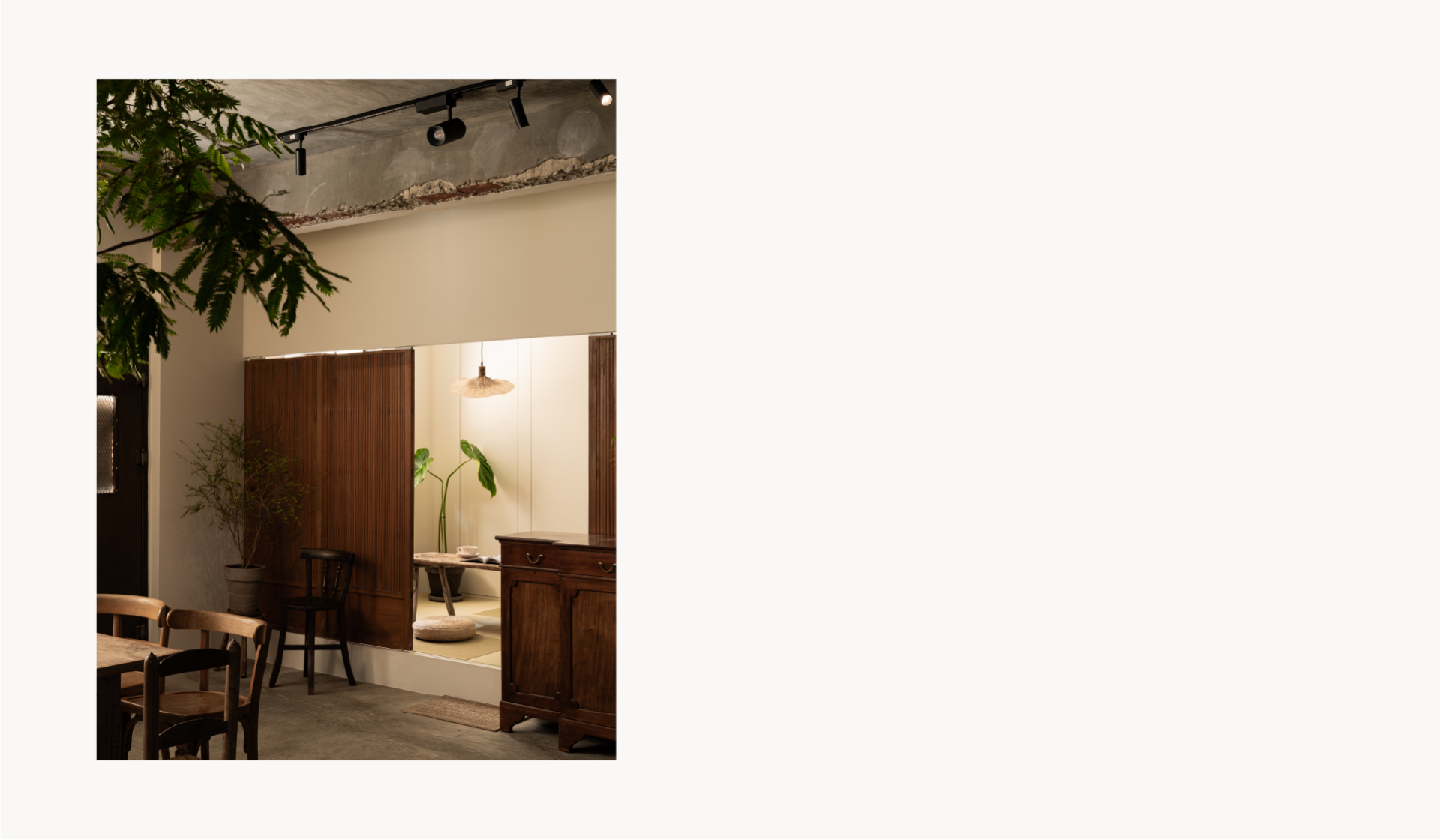
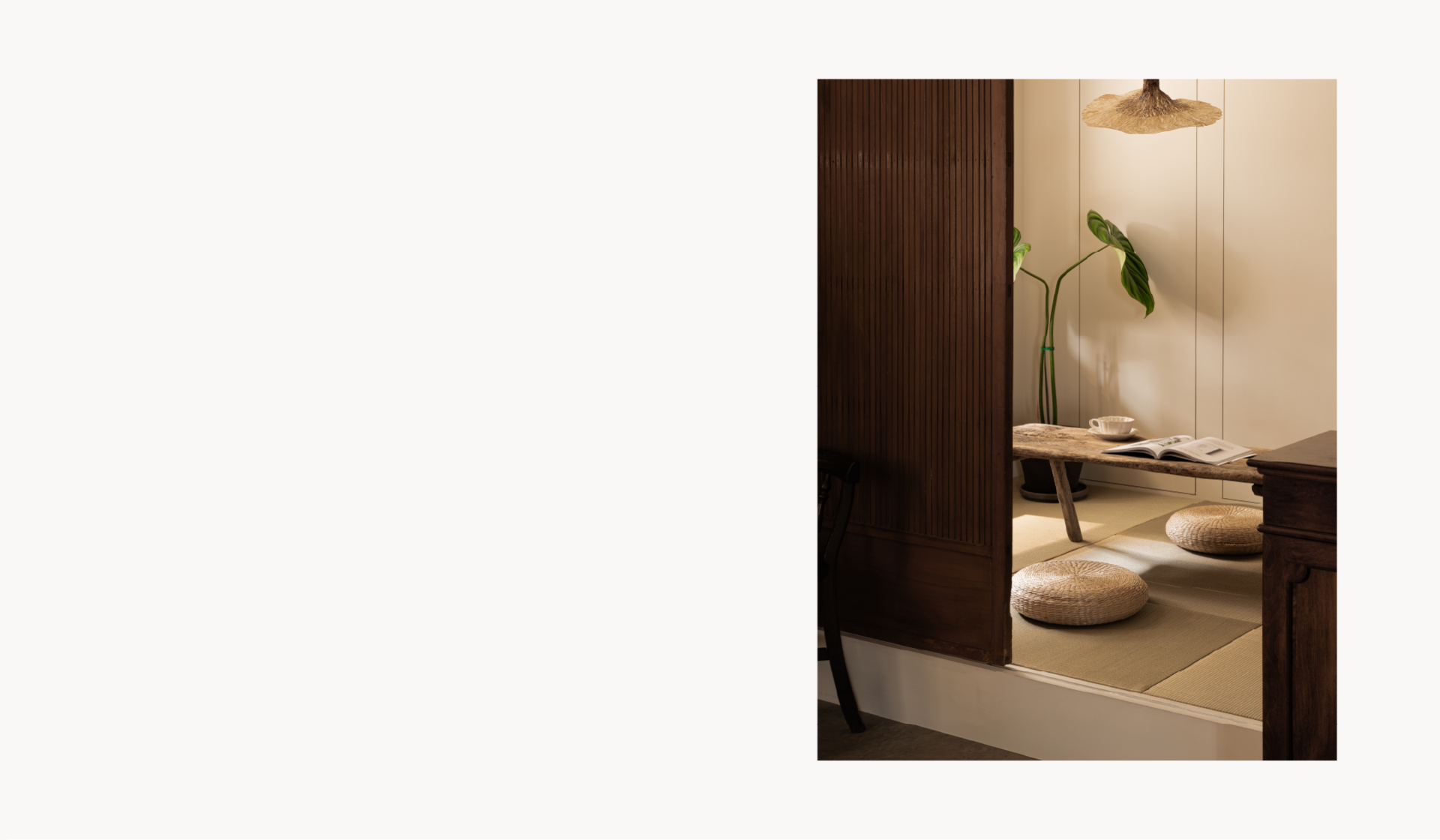
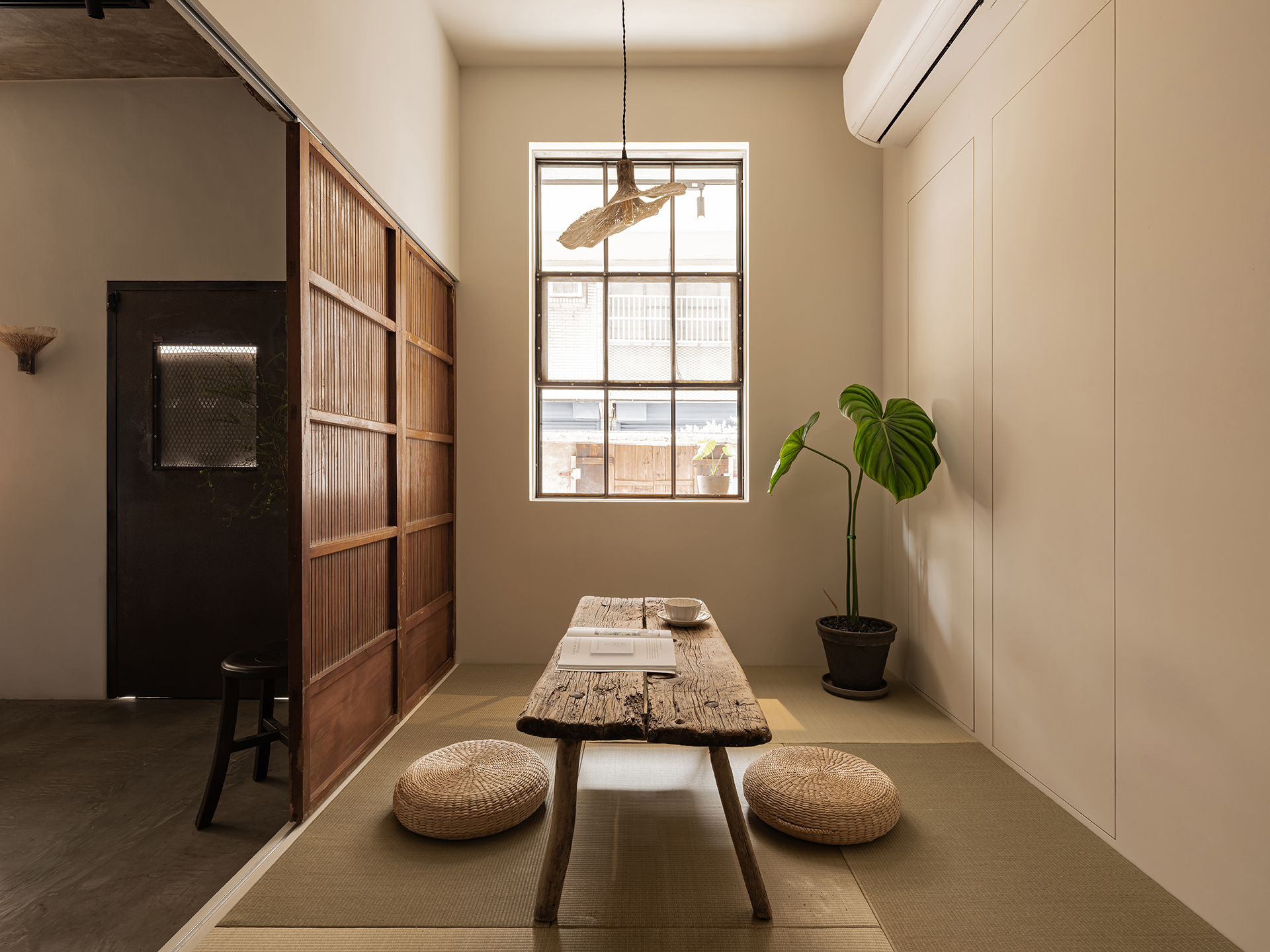
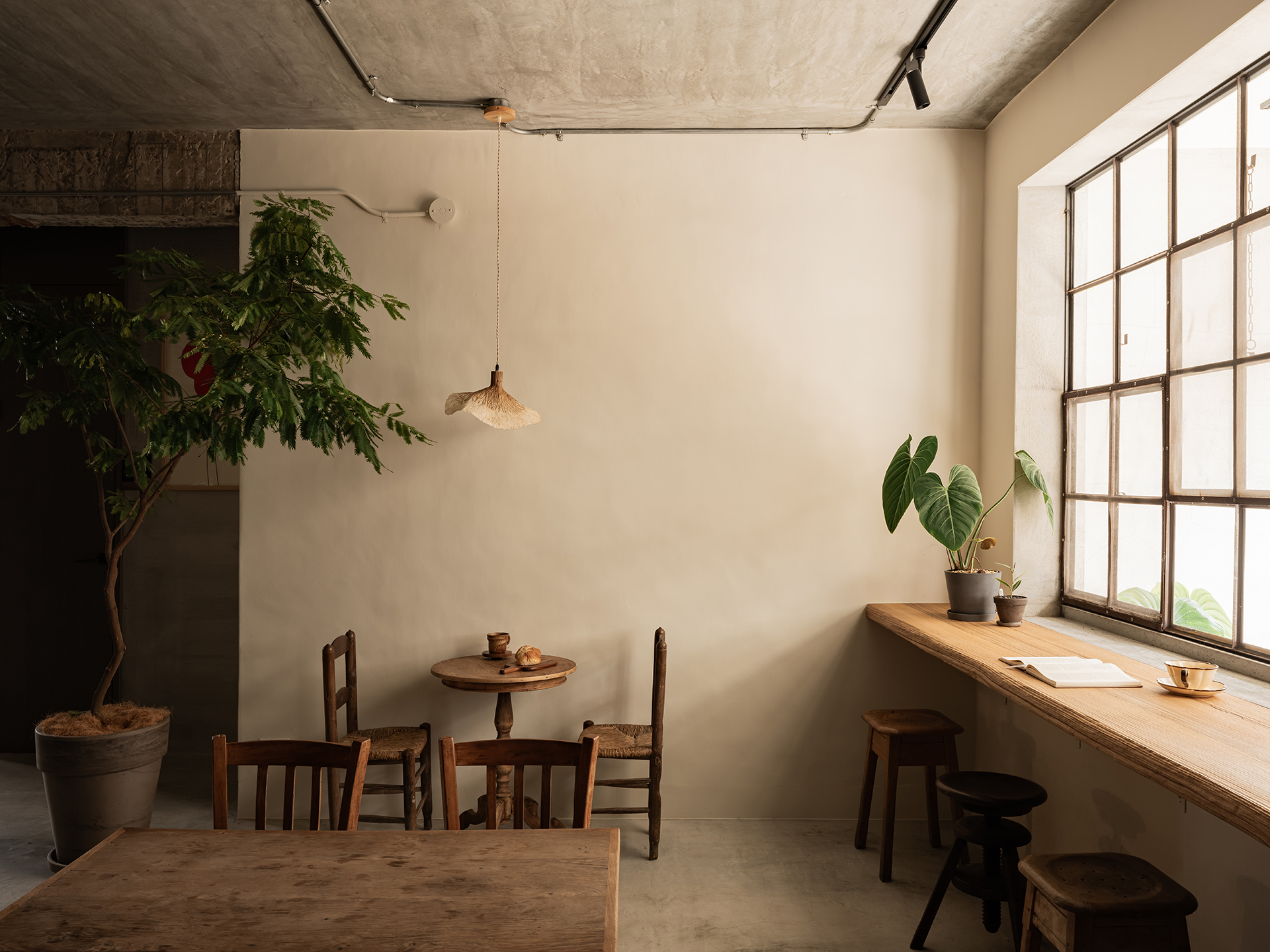
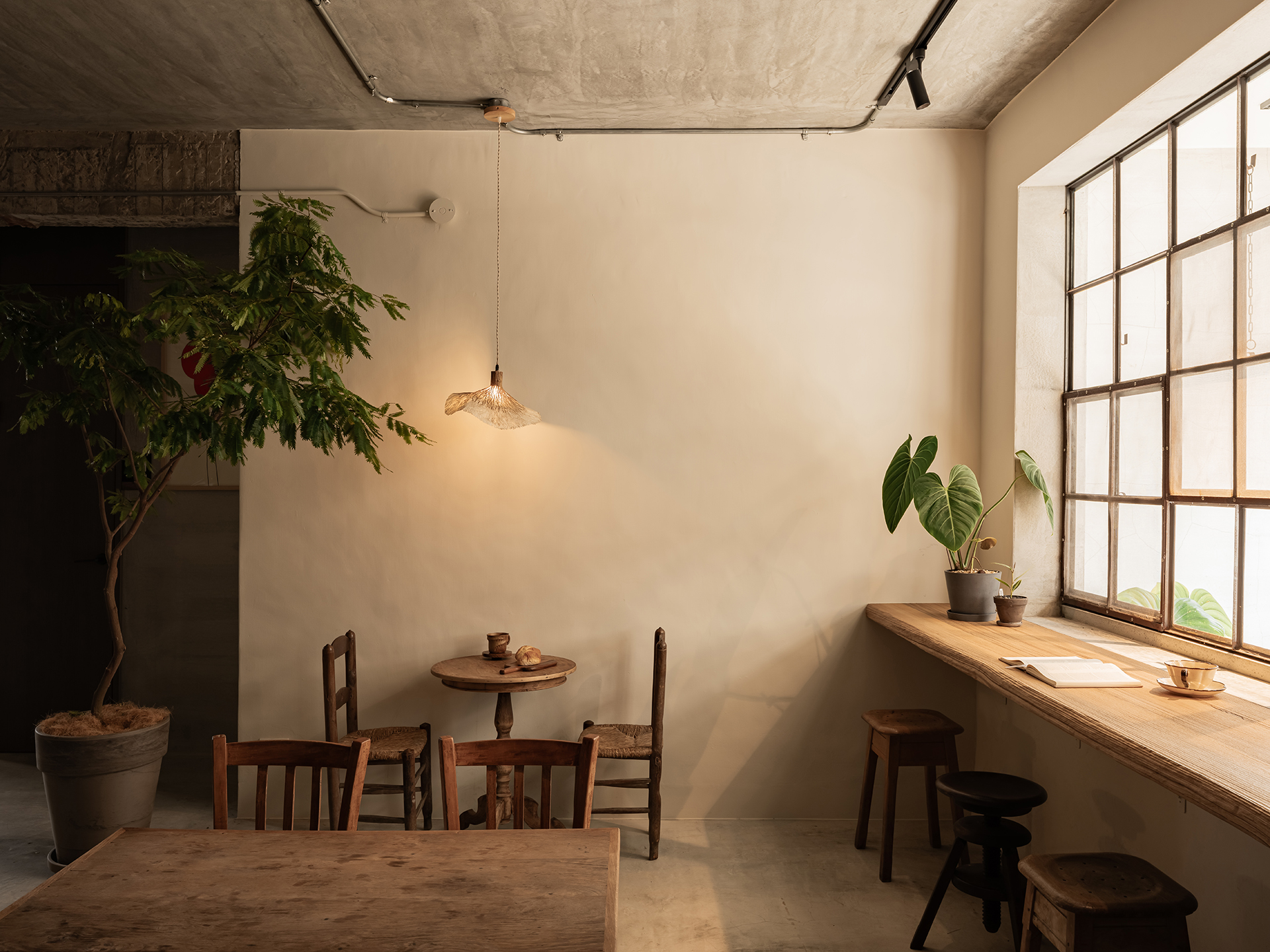
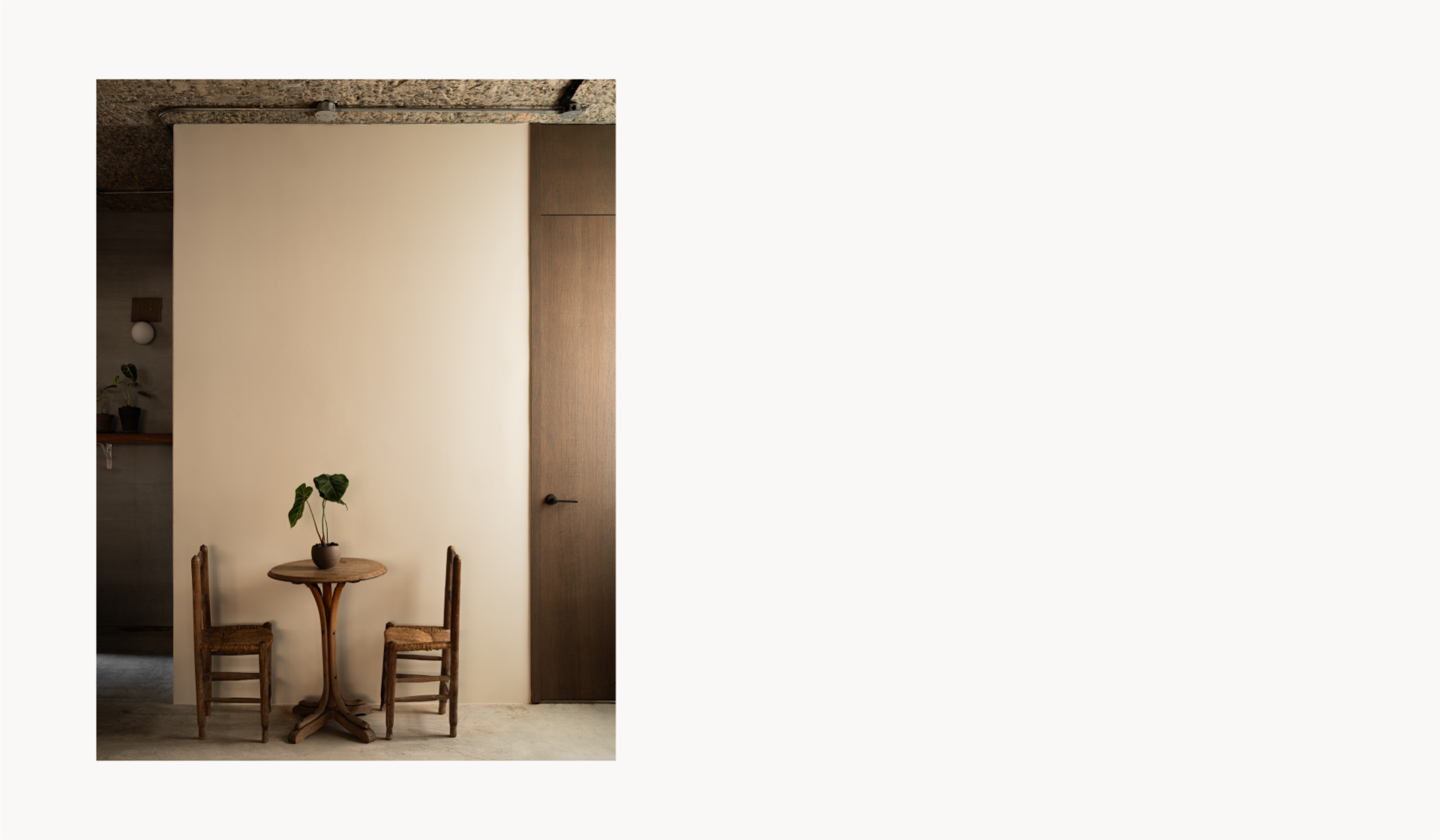
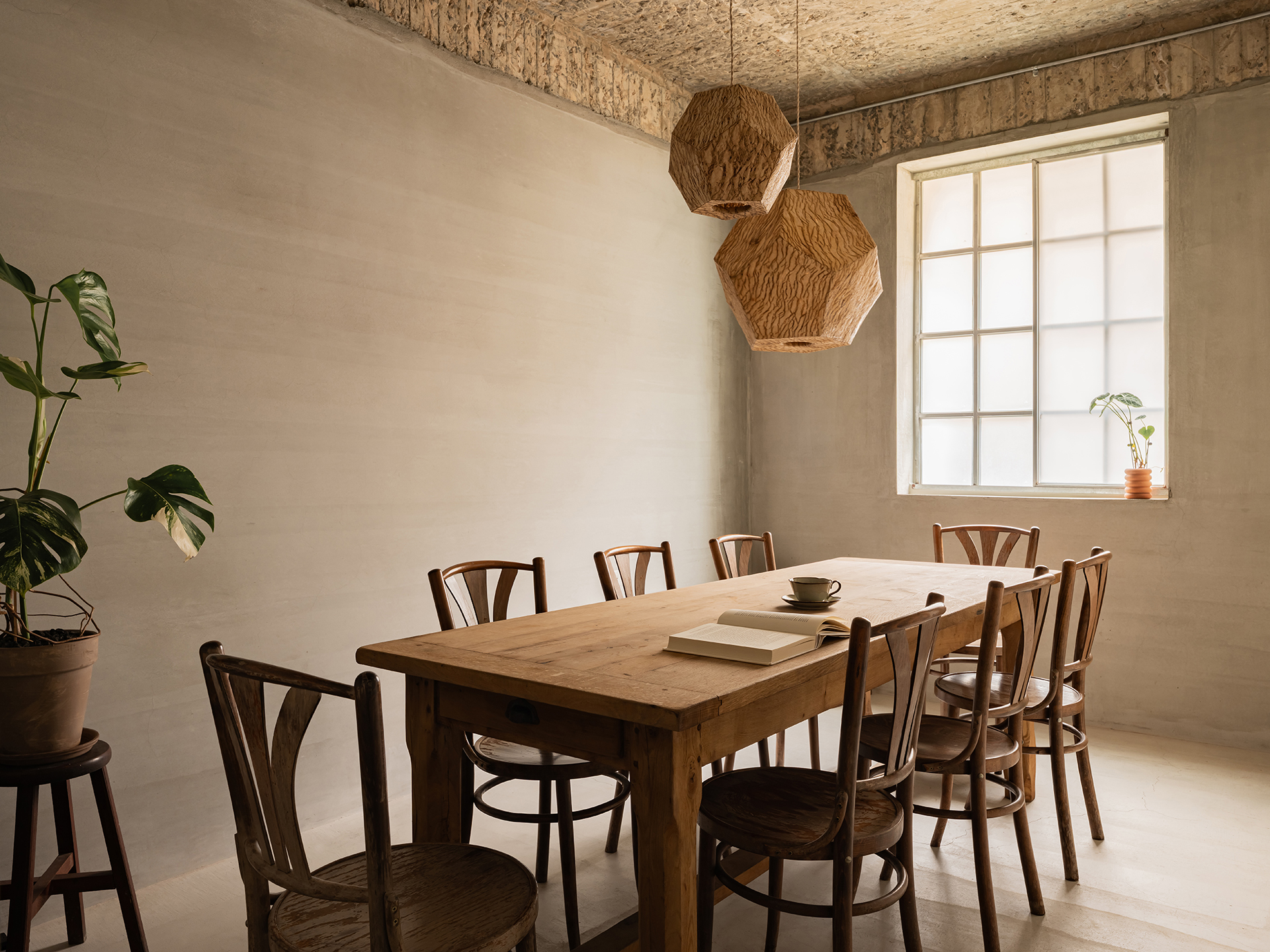
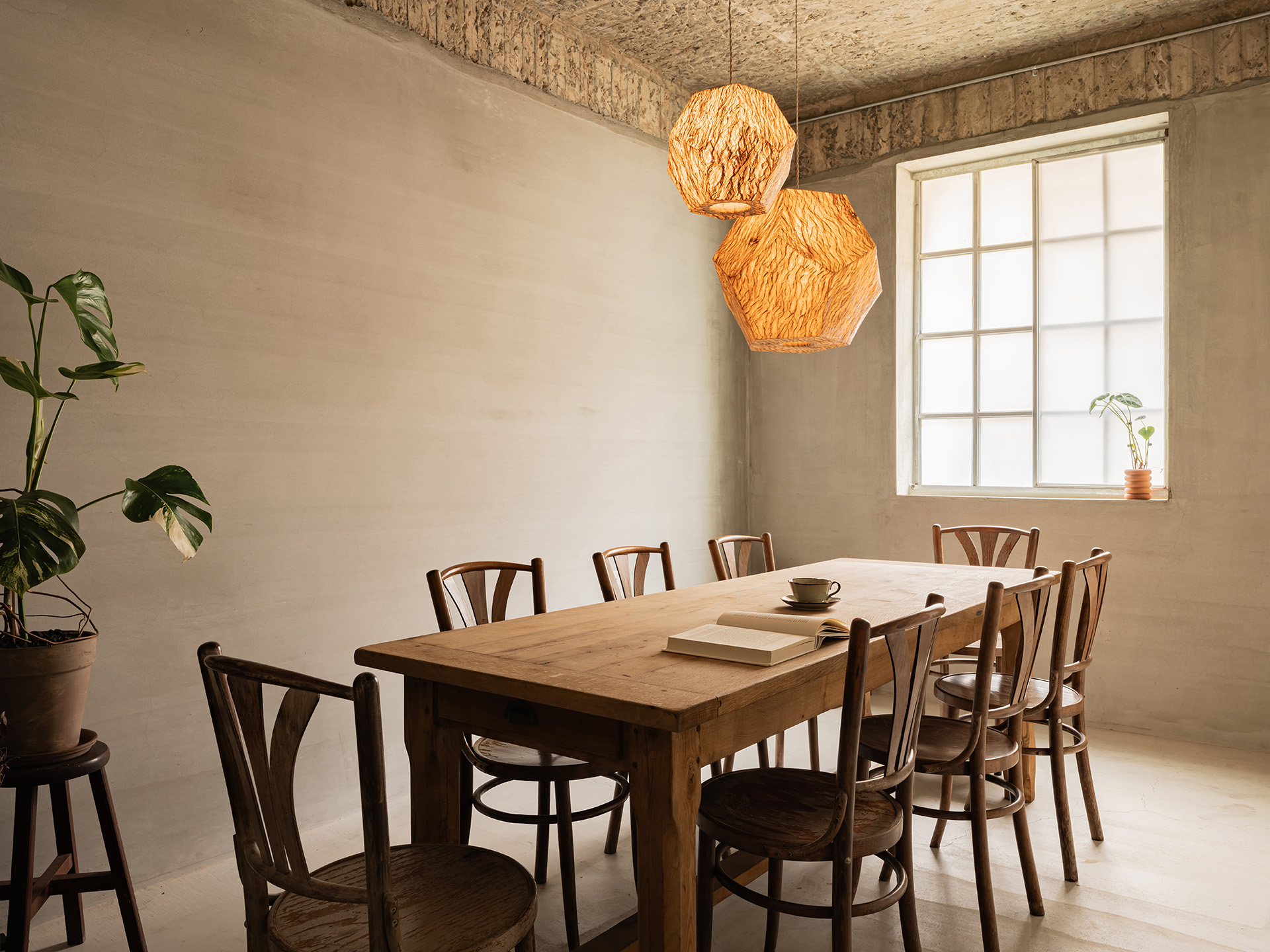
古董桌椅、以樹皮製作的燈具、植栽與榻榻米等生活元素進駐,在過往與當下之間建立起溫和的連結,使空間於每一次的晨昏交替中持續生成。這些元素不僅形塑場域樣貌,也累積出細膩而連續的情感體驗。
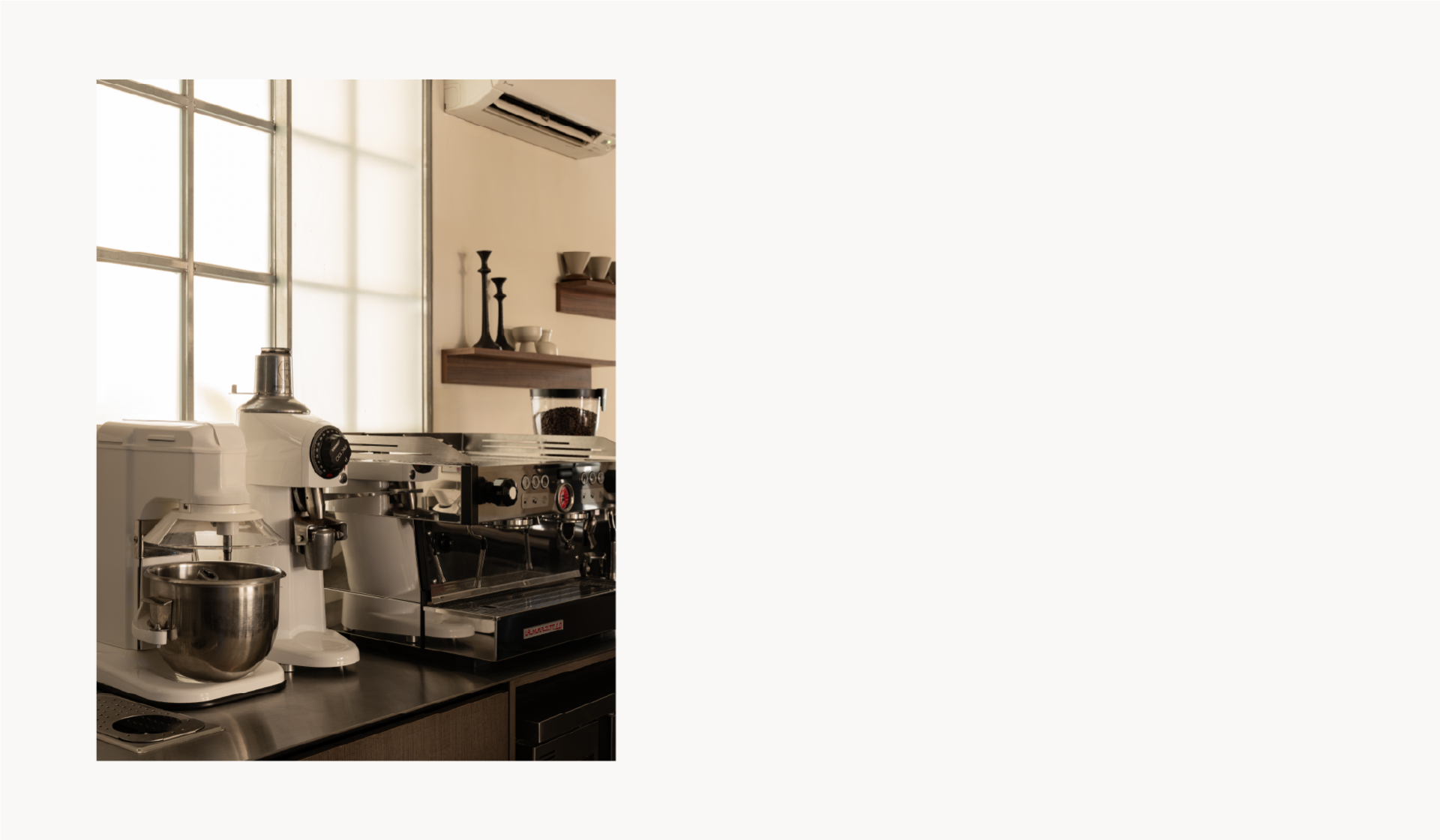
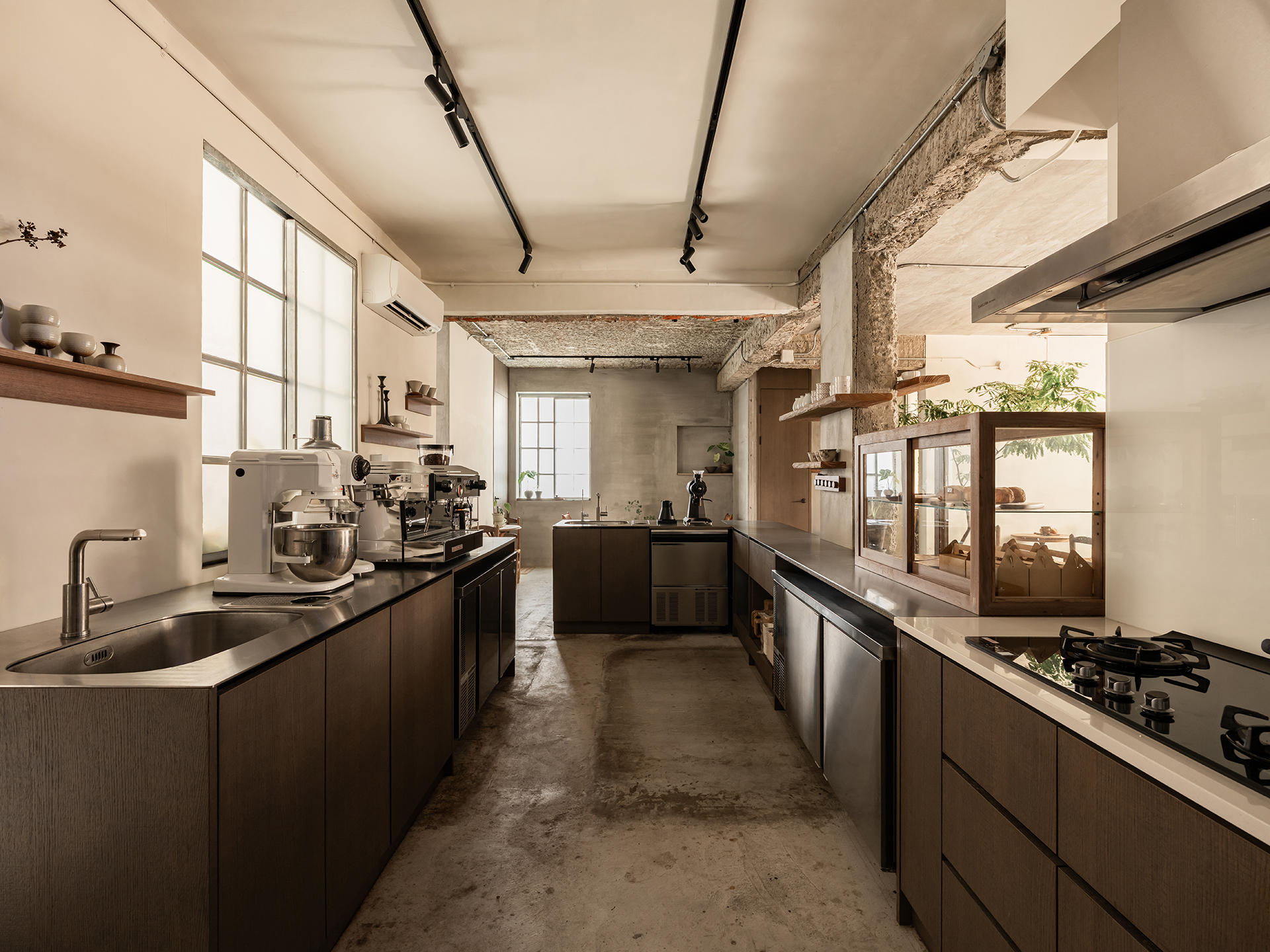
隨著這樣的狀態展開,空間的使用也自然發生。餐點的製作、停留與日常片段,在同一場域中緩慢交織,共同構築出整體的氛圍。
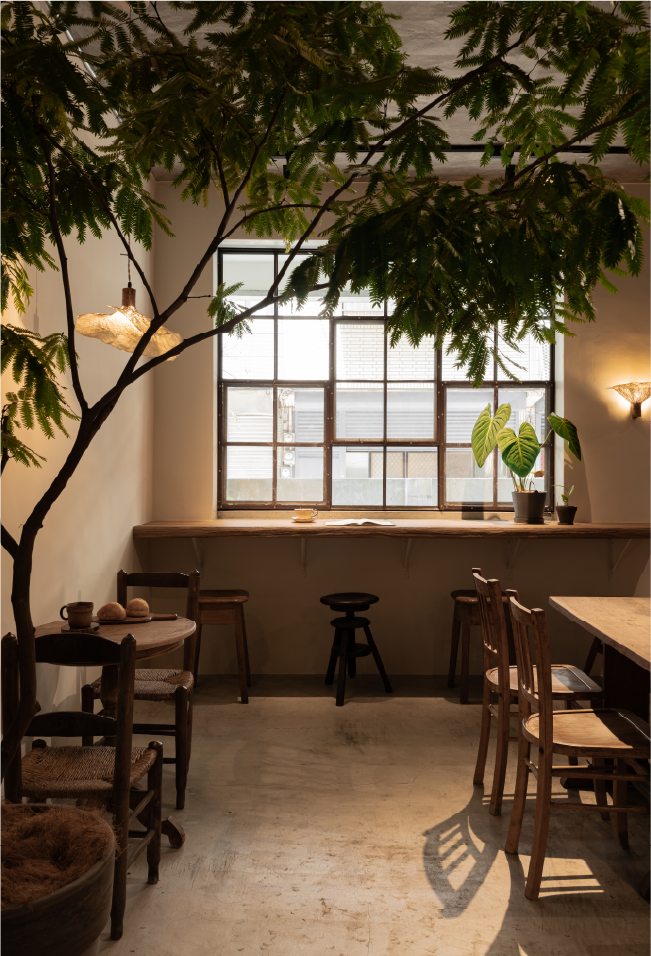
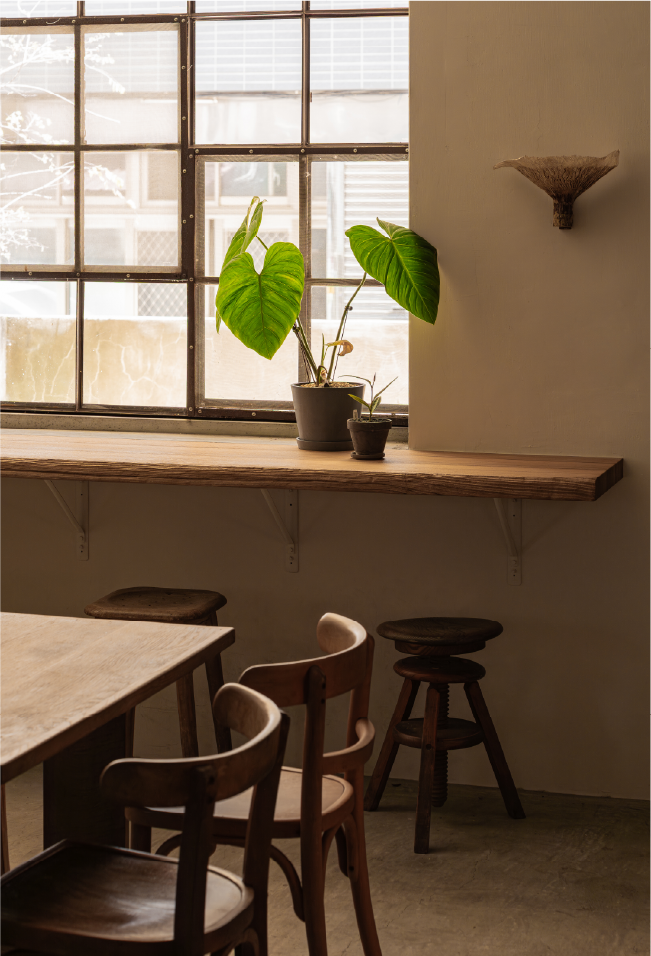
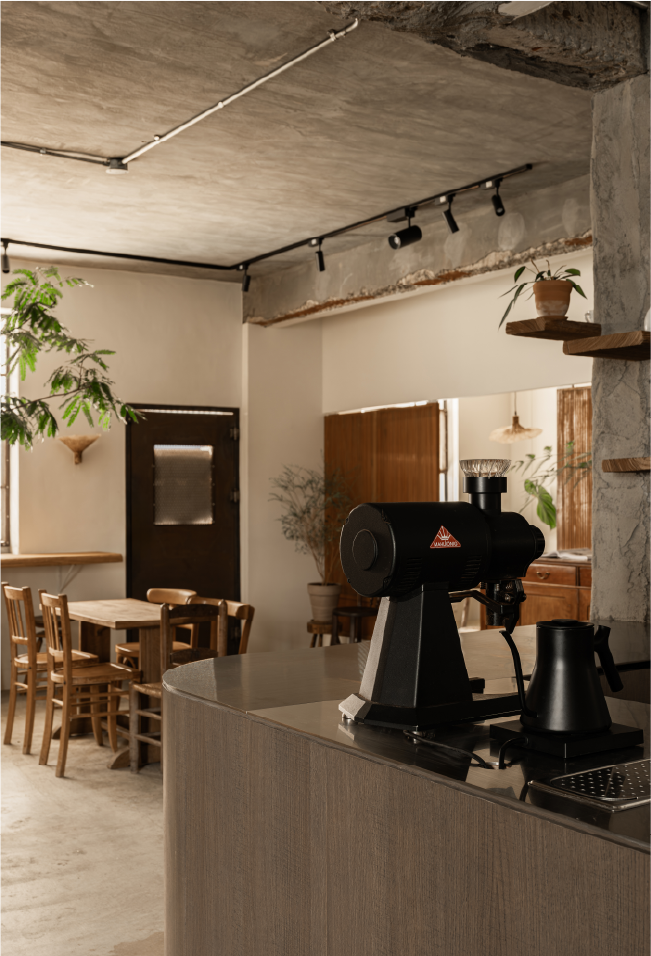
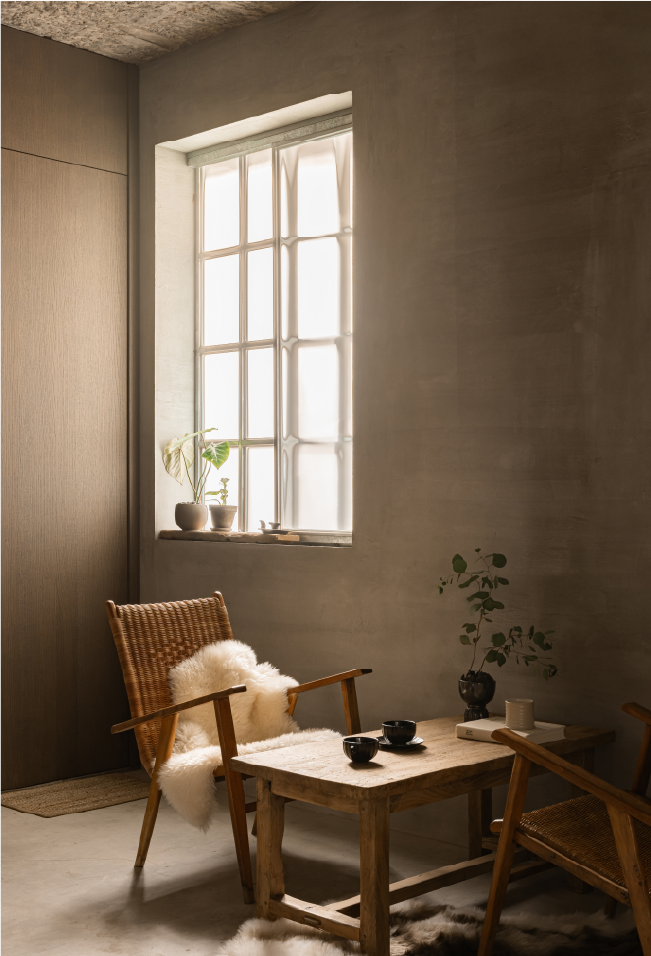
而座位的安排,則回應不同的停留節奏。窗邊座位引入街道的光與景,使視線向外延伸;面向內場的座席,讓製作的過程成為日常的一部分;相對內收的靠牆位置與榻榻米區,則提供較為安定而沉靜的狀態。透過視線與距離的安排,使人在空間中得以自由選擇位置,回應不同的使用需求與內心狀態。
在這樣的空間安排中,人得以在交流與獨處之間緩慢轉換,並在其中感知到建築持續的生息,以及歲月在質地之間的堆疊。
Hidden within the urban fabric, this 49-year-old house is reimagined through a design approach rooted in the continuity and extension of time.
Working within the existing structure, the project shapes a café where past and present are interwoven.
Responding to human perception and patterns of use, the design is grounded in everyday experience, establishing a user-centric spatial relationship.
The design unfolds through two primary aspects: preservation and materiality.
Walls, beams, weathered timber, and worn floor tiles are carefully retained as tangible traces of time.
These unrefined surfaces allow time to linger, enabling the space to sustain its inherent vitality within its original framework.
By preserving and reusing existing structures and materials, unnecessary interventions are minimized, allowing the project to embody a sustainable approach to renewal.
Building upon this foundation, the design extends along the existing textures, introducing new layers within preservation.
Vintage furniture, bark-crafted lighting, plants, and tatami elements are gently introduced, forming a subtle connection between past and present.
Through the rhythm of daily light and time, the space continues to evolve.
These elements not only shape the character of the space, but also cultivate a delicate and continuous emotional experience.
Within this atmosphere, spatial use unfolds naturally.
The preparation of food, moments of pause, and fragments of everyday life slowly intertwine within a shared field, collectively forming the overall ambiance.
Seating arrangements respond to different rhythms of stay.
Window-side seats draw in light and views from the street, extending the visual field outward;
seats facing the open kitchen integrate the act of making into everyday experience;
while more inward-facing positions, along walls and within the tatami area, offer a quieter and more grounded state of pause.
Through the careful orchestration of sightlines and distances, users are able to choose their place freely, accommodating varying needs and inner states.
Within this spatial framework, one moves fluidly between interaction and solitude,gradually sensing the ongoing vitality of the architecture,and the quiet accumulation of time embedded within its material textures.