
Lihao Design Creator 00054
空間的形成,往往來自對日常的重新觀看。人的停留、彼此之間的距離,以及長久累積的生活習慣,都慢慢改變了家的輪廓。本案以簡潔而克制的方式回應居住者的生活,在安靜的秩序裡,保留一份自在與親近。
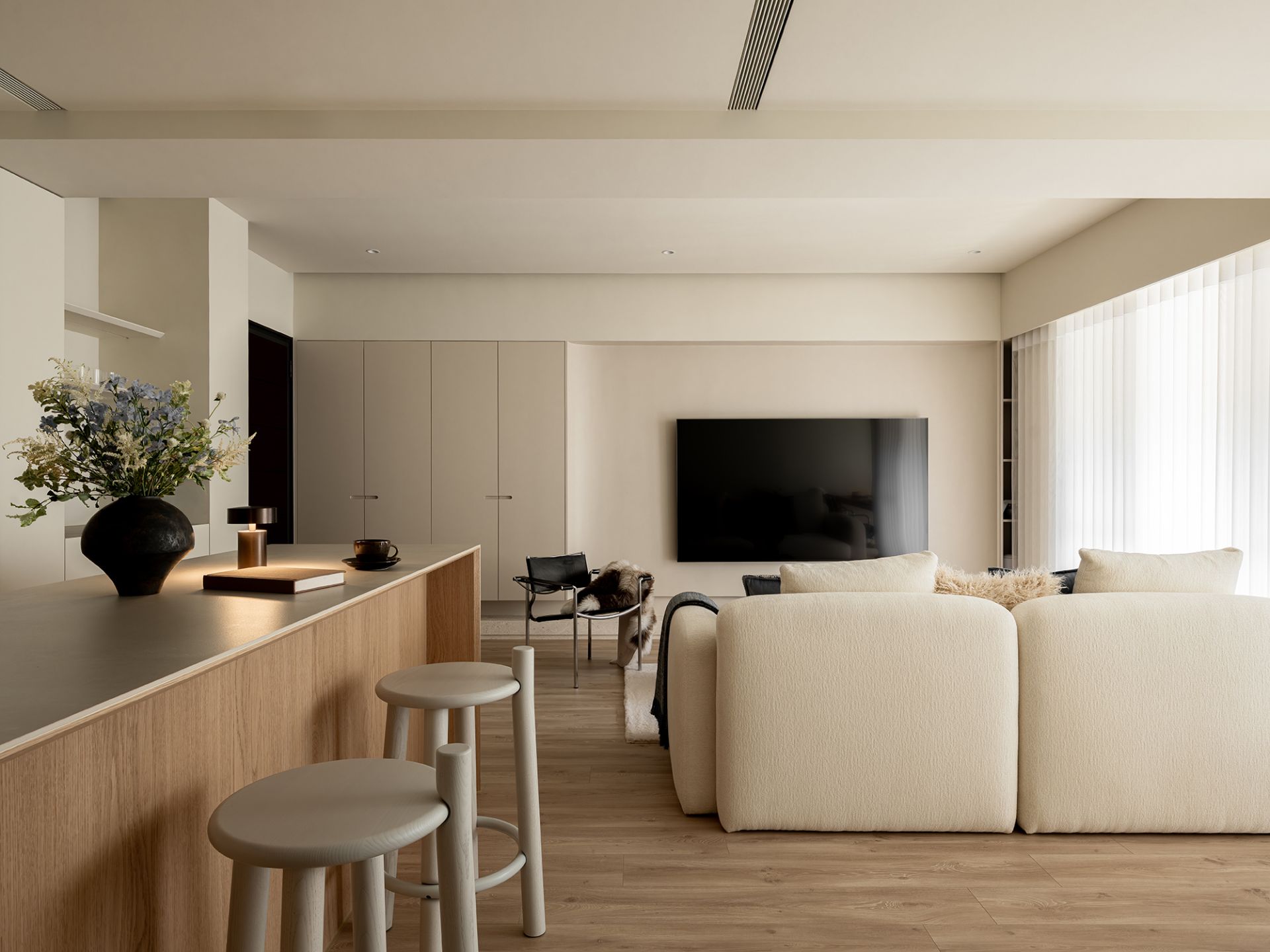
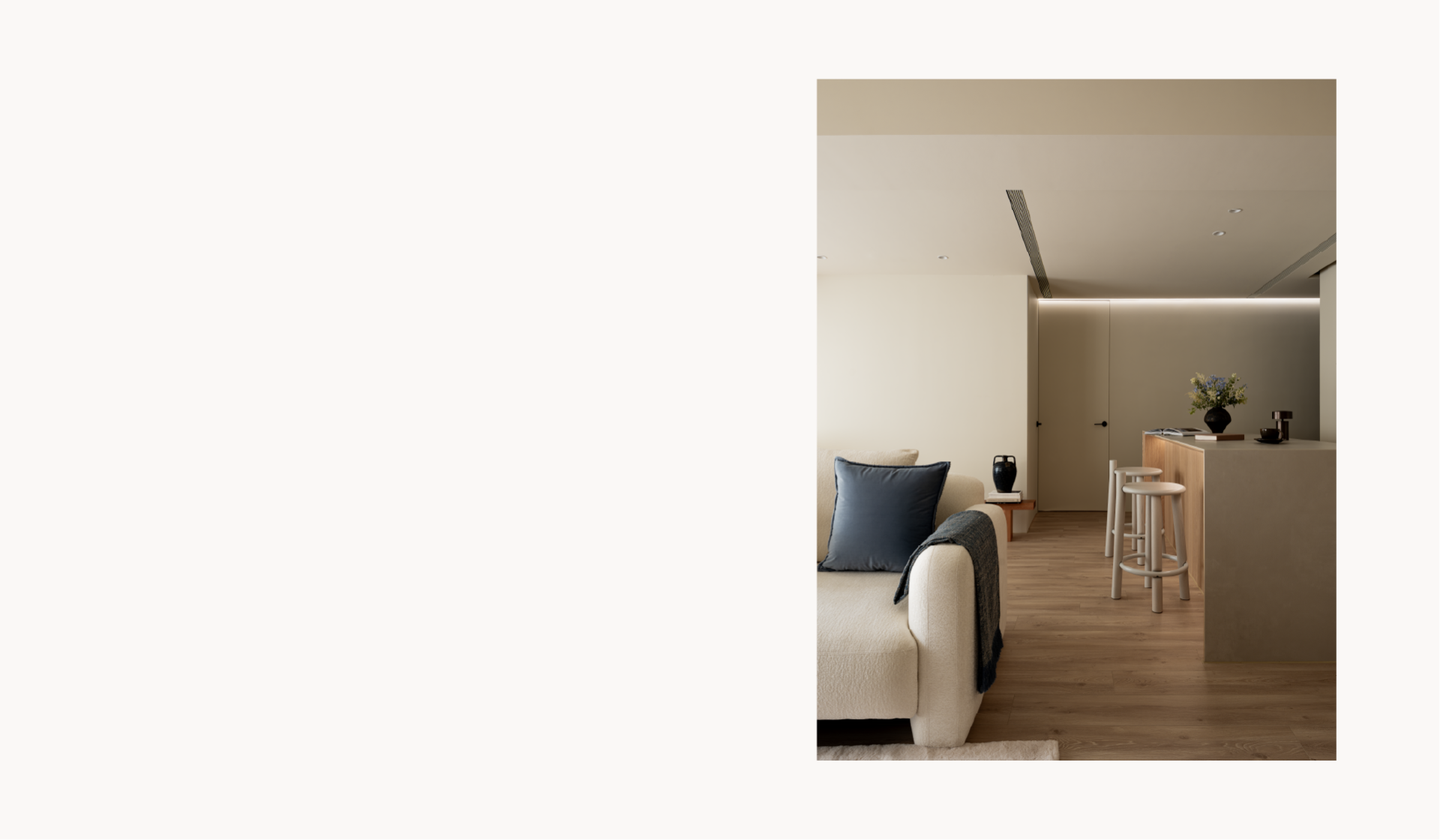
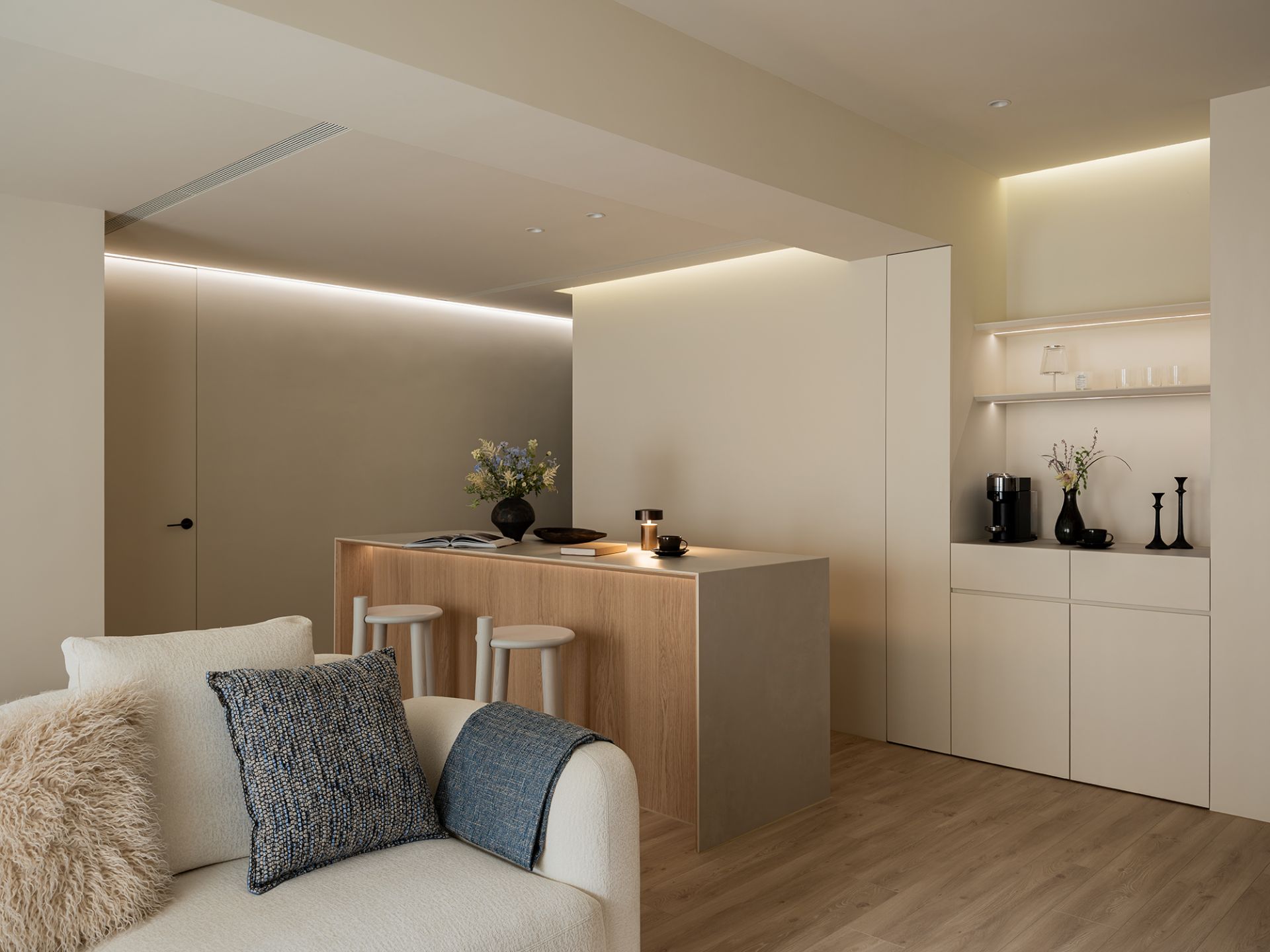
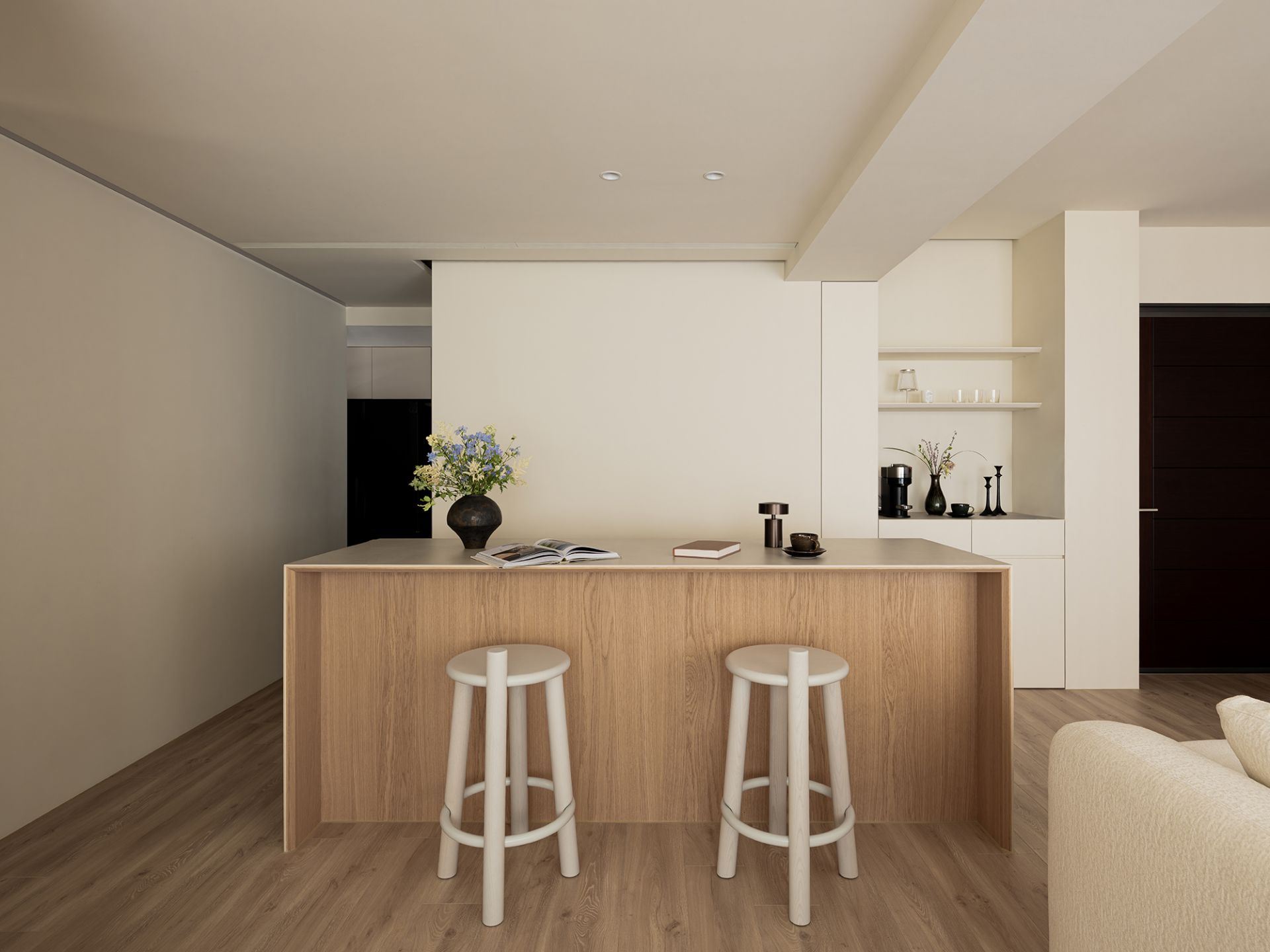
沿著日常的脈絡,來到空間的核心,是對廚房與公共空間關係的重新思考。中島從傳統廚房的附屬機能中抽離,置入客廳與公共區域之中;烹調空間則向內退去。這樣的前後關係來自居住習慣,也讓中島成為公共空間裡鮮明的存在。從沙發望去,大尺度的量體如同一件家具落在空間中央,人的活動與視線也自然向此靠攏。
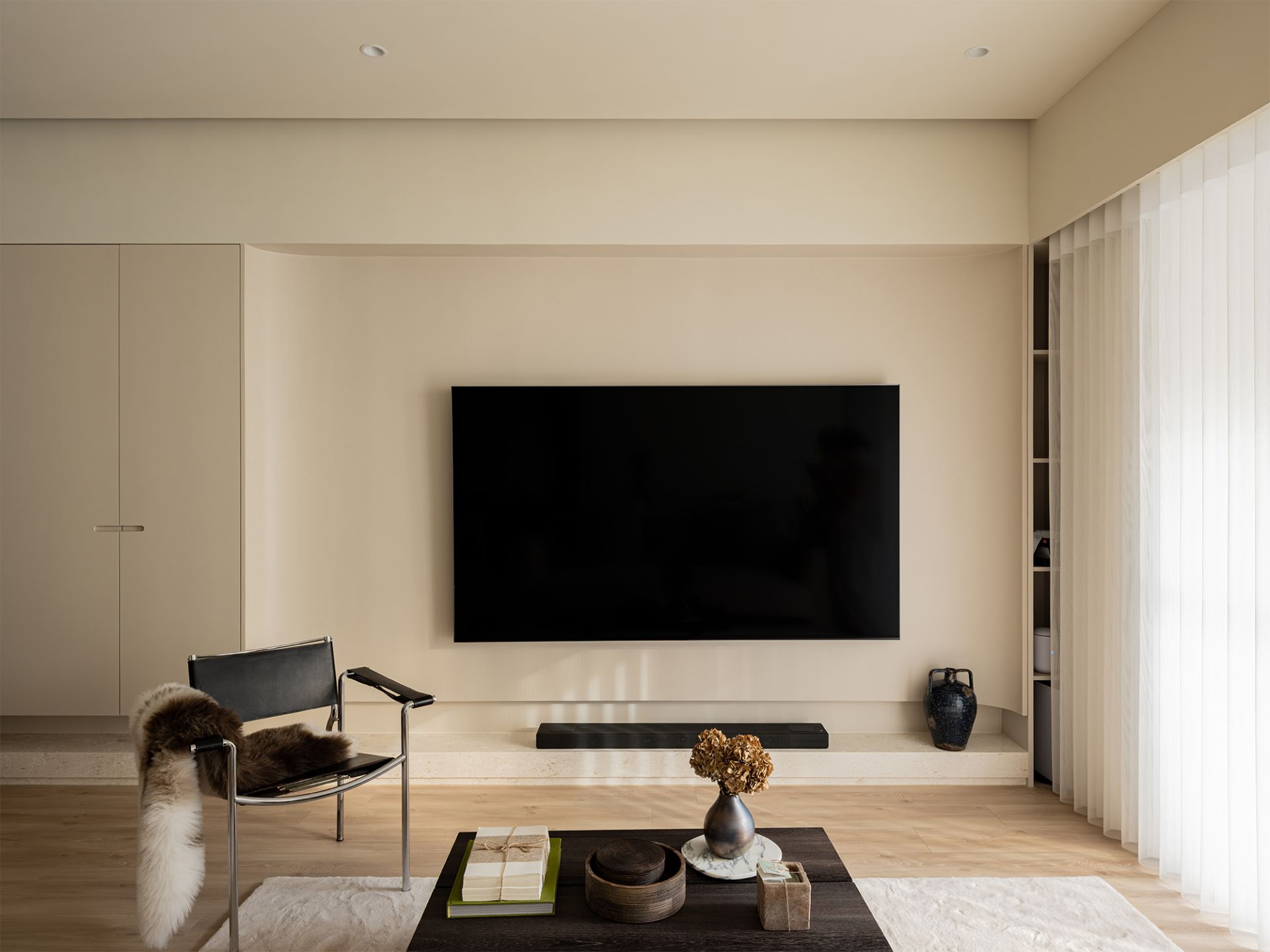
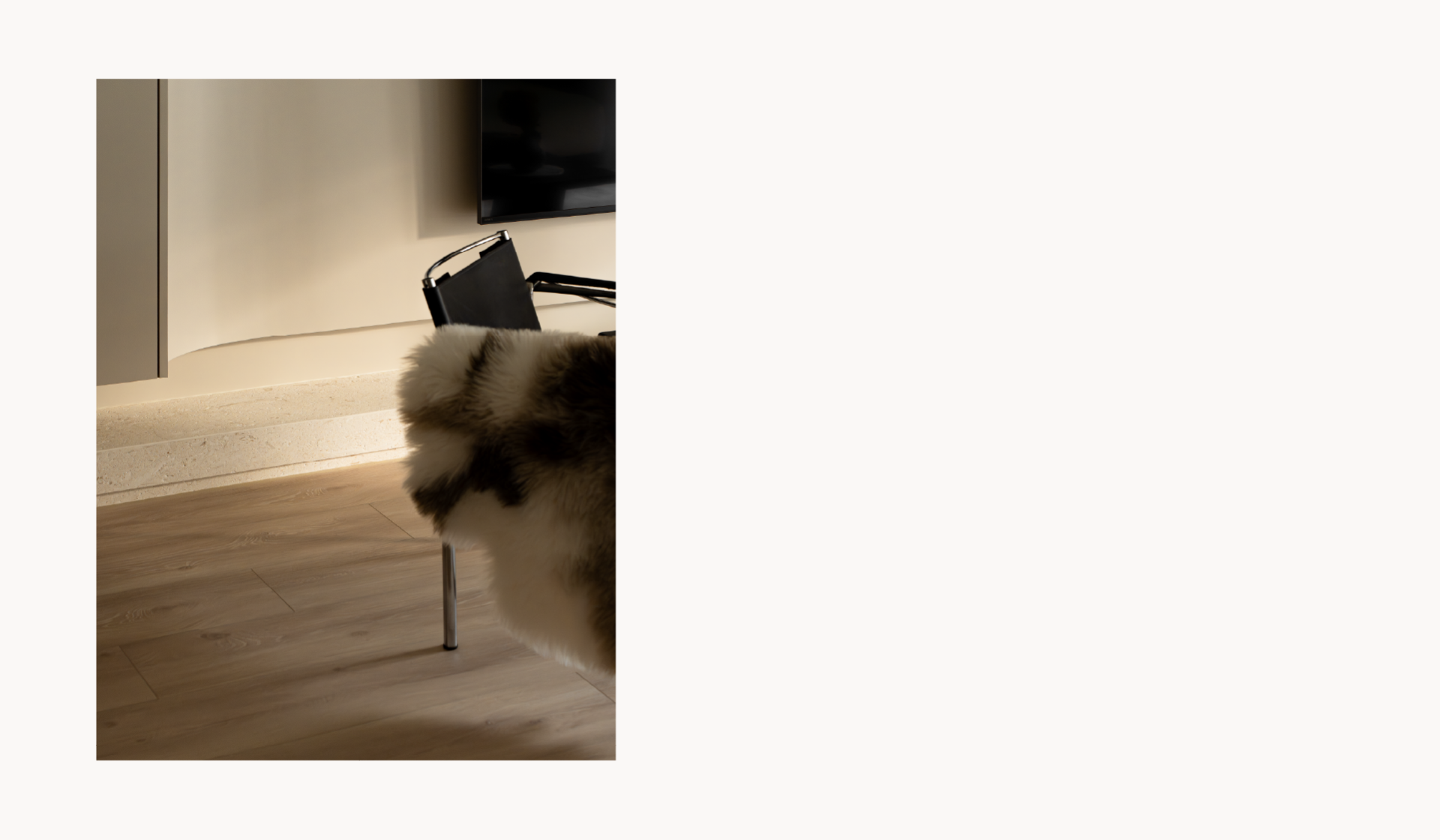
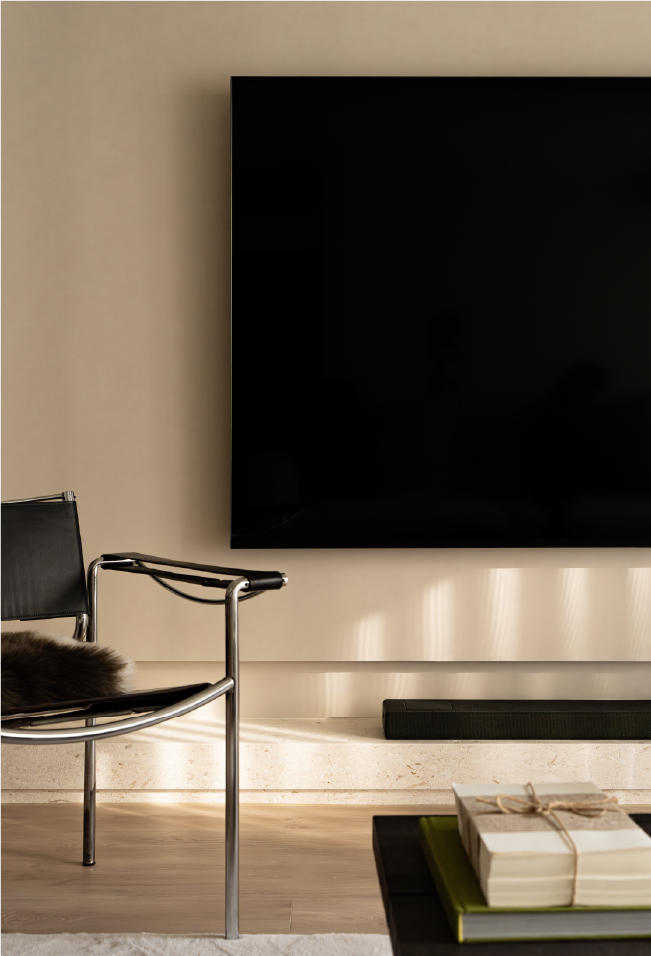
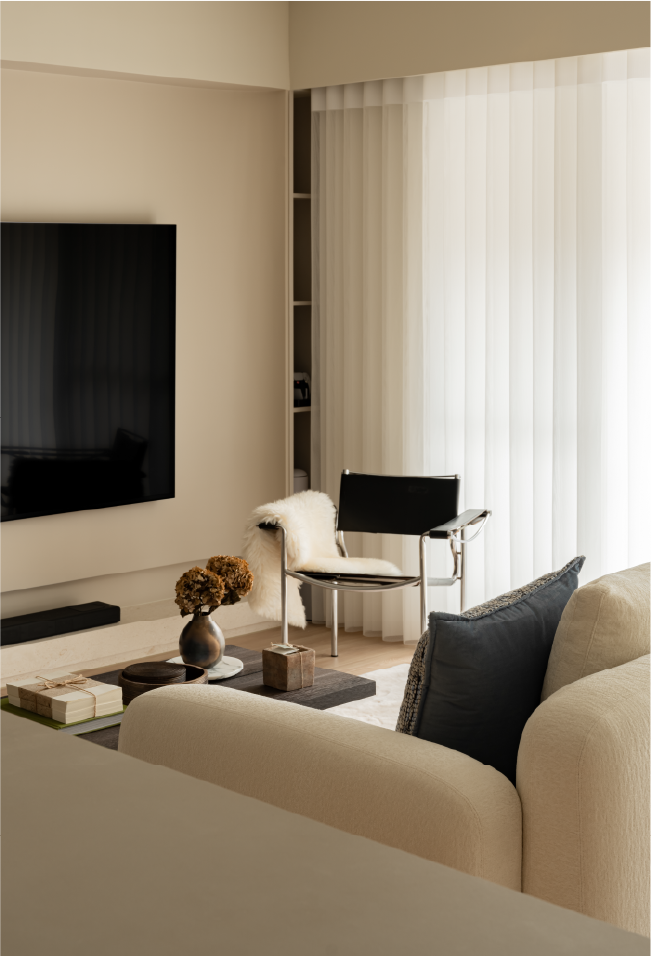
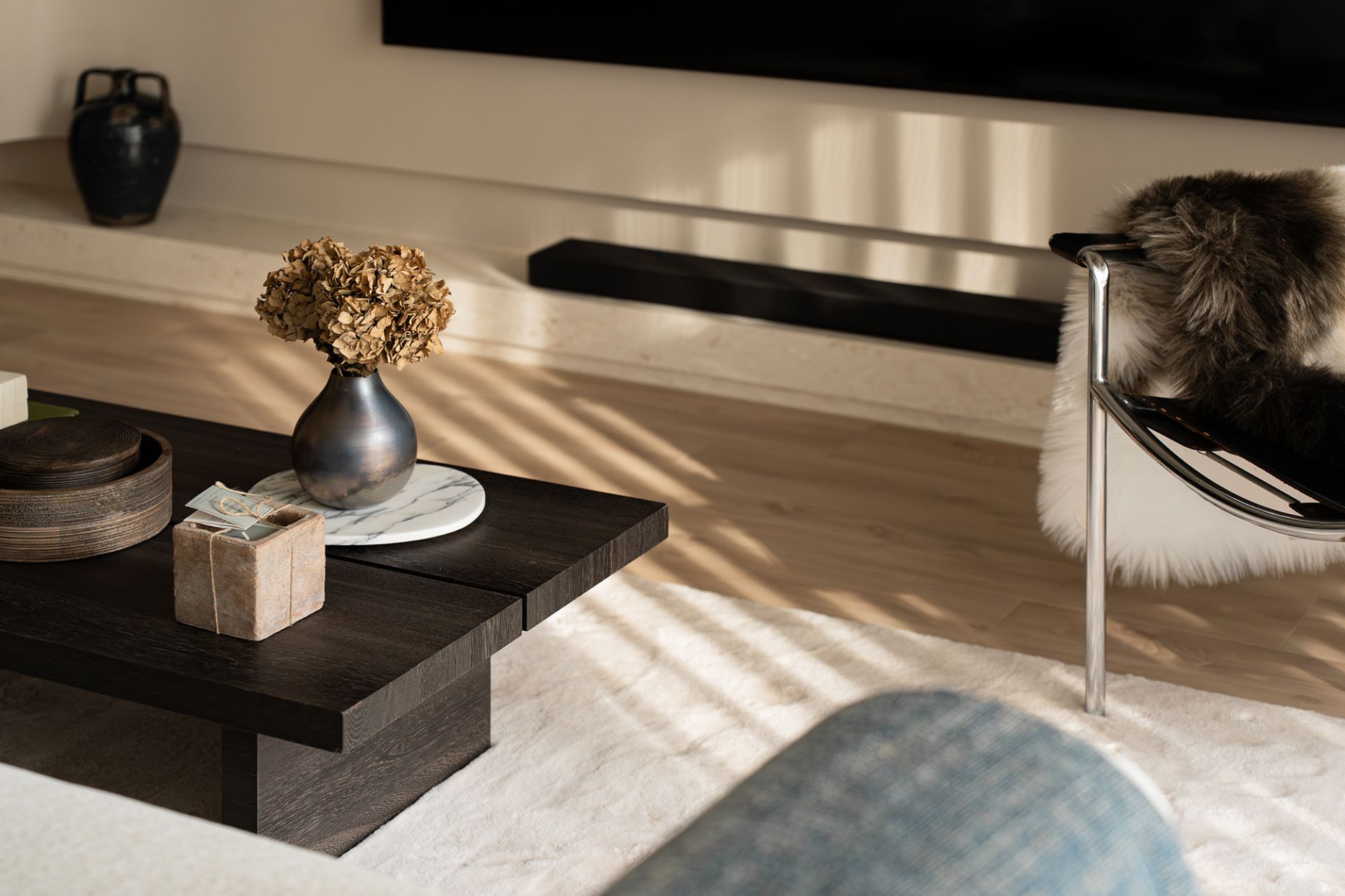
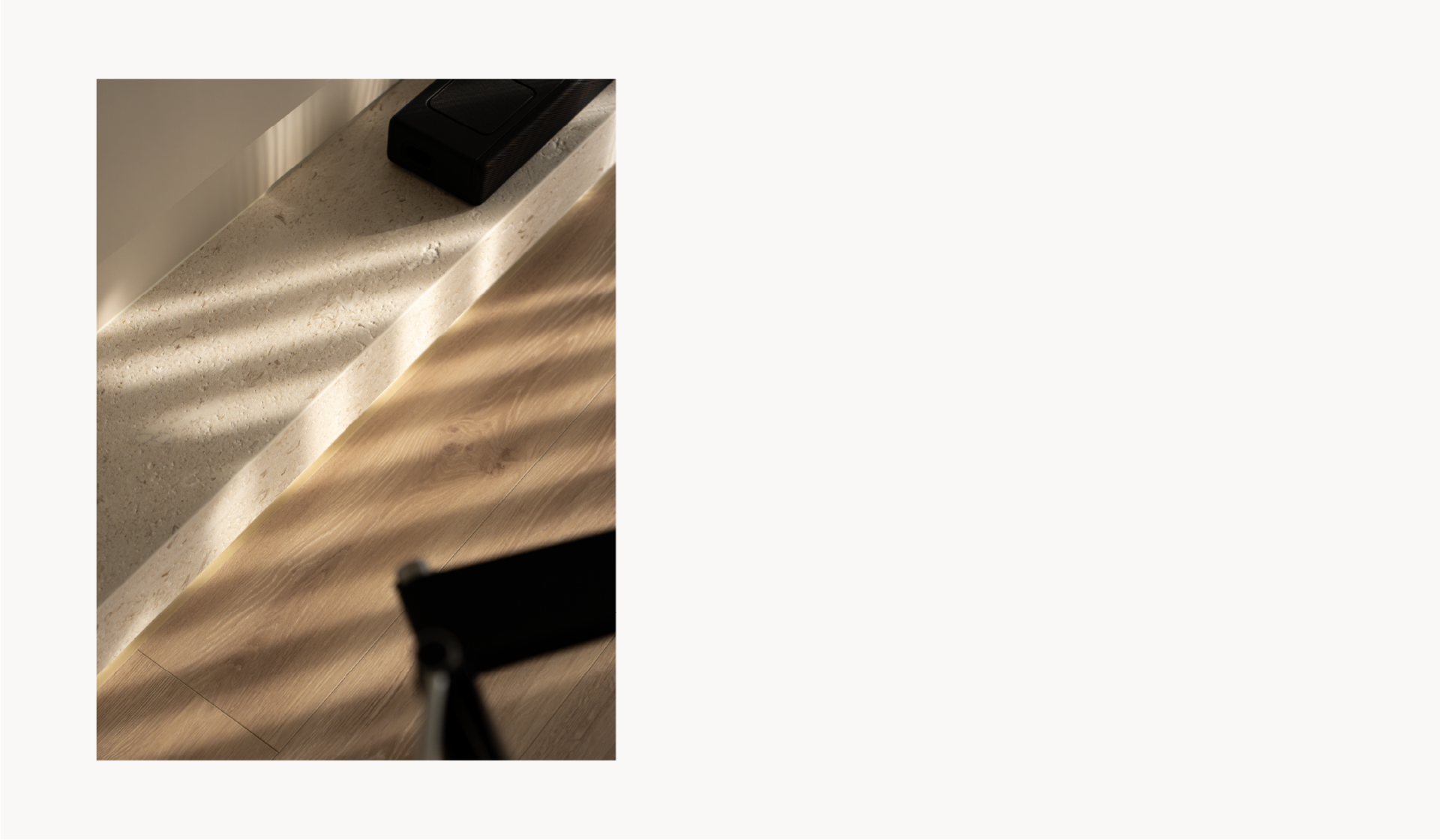
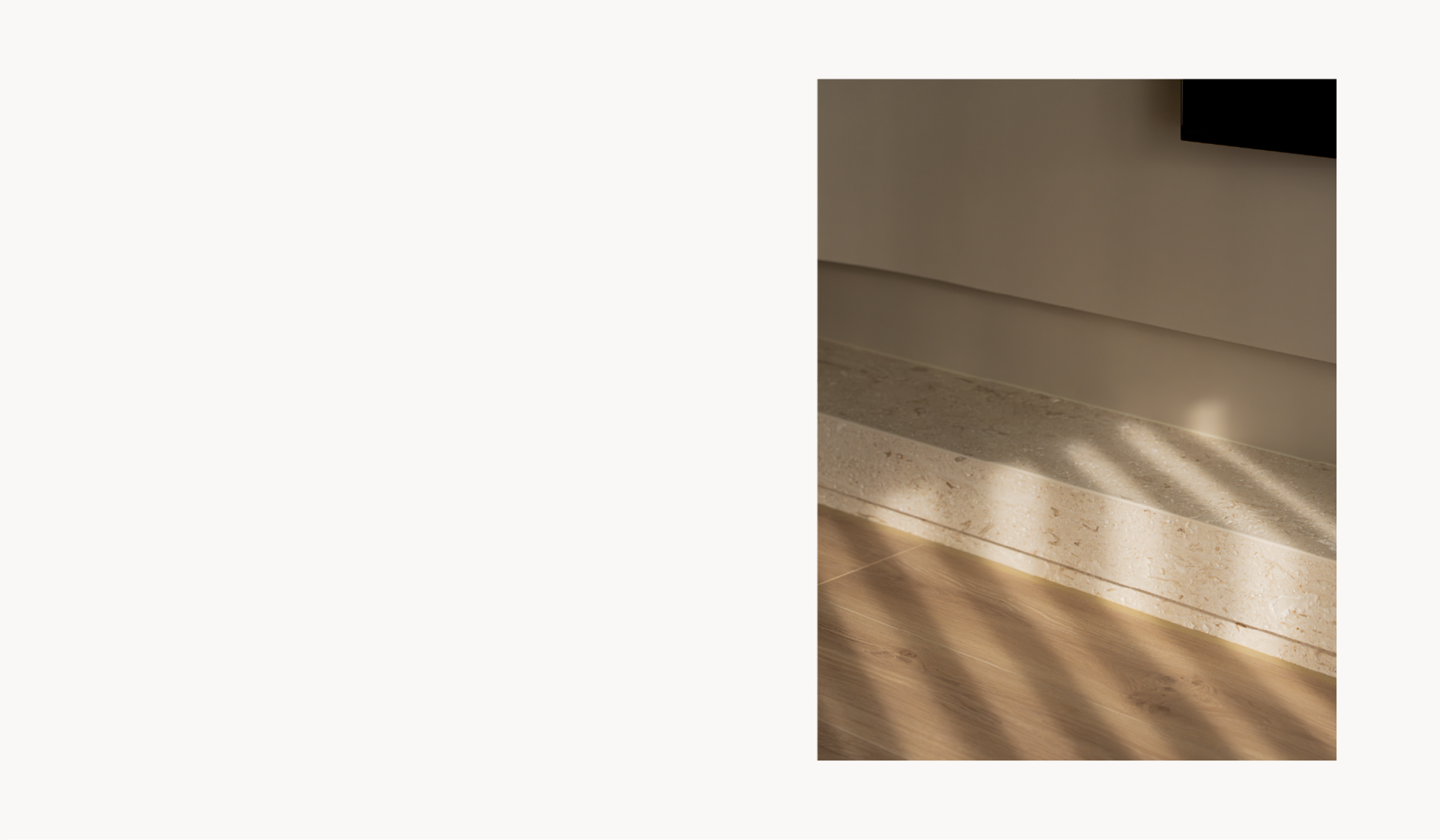
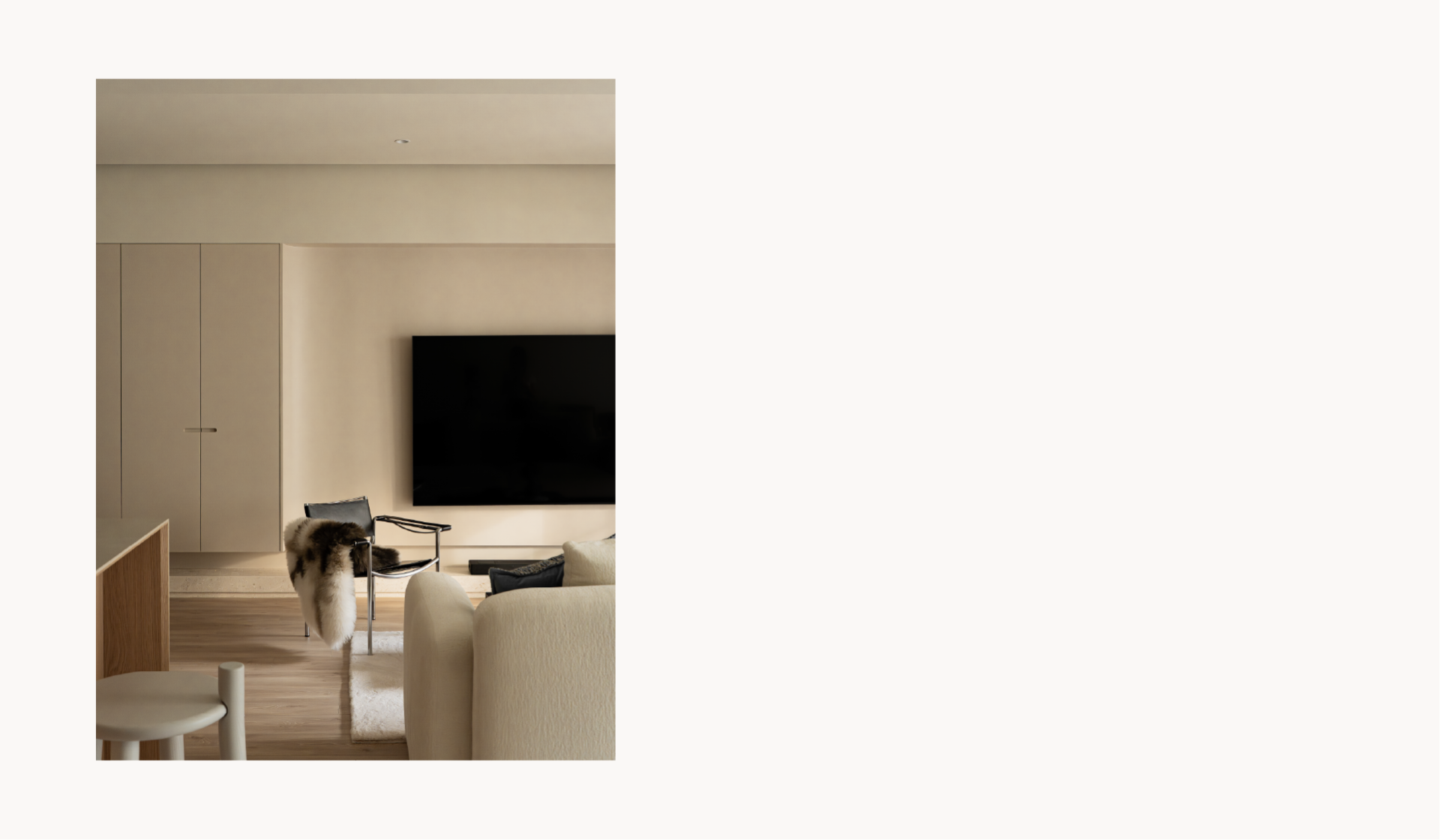
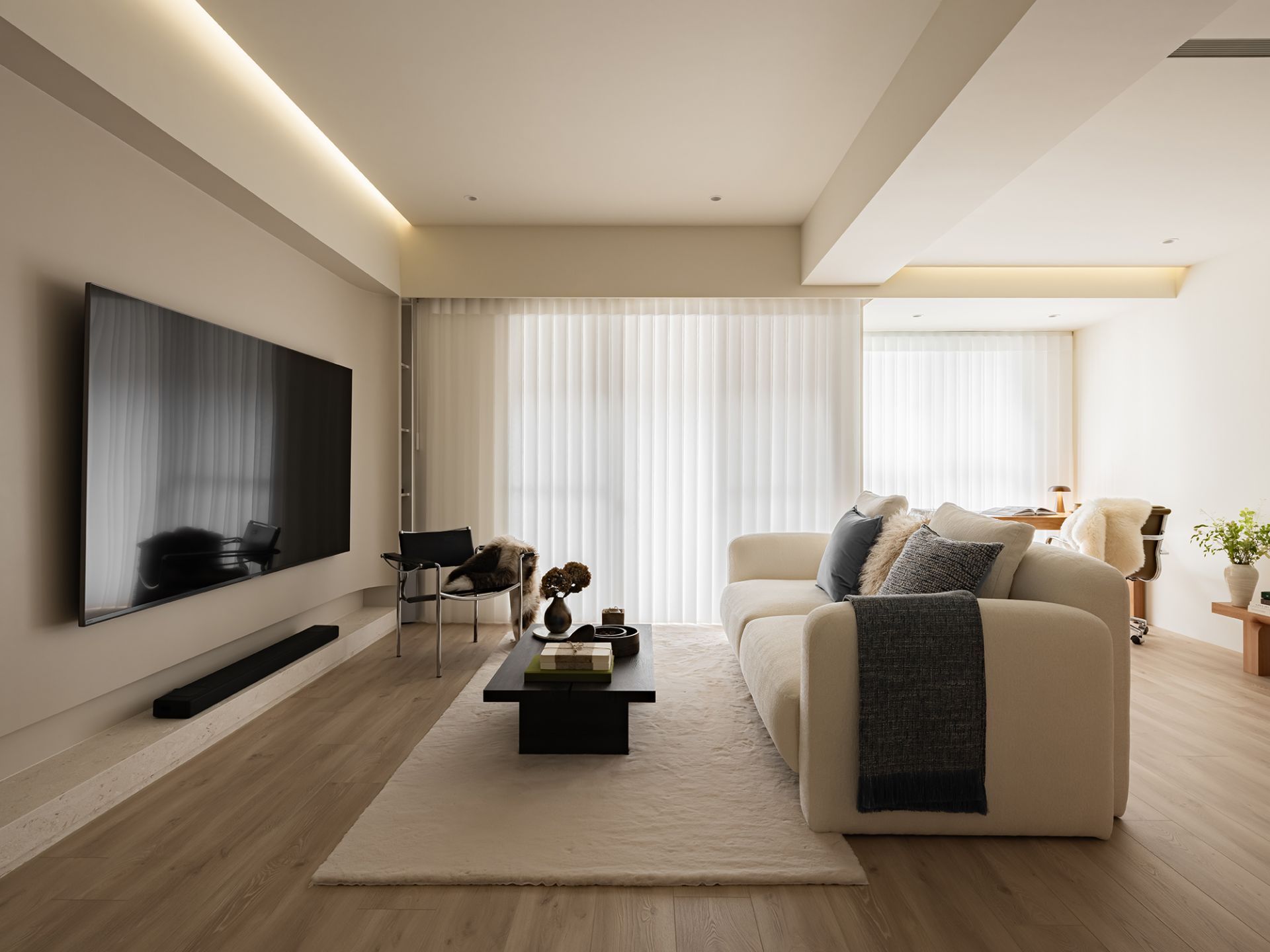
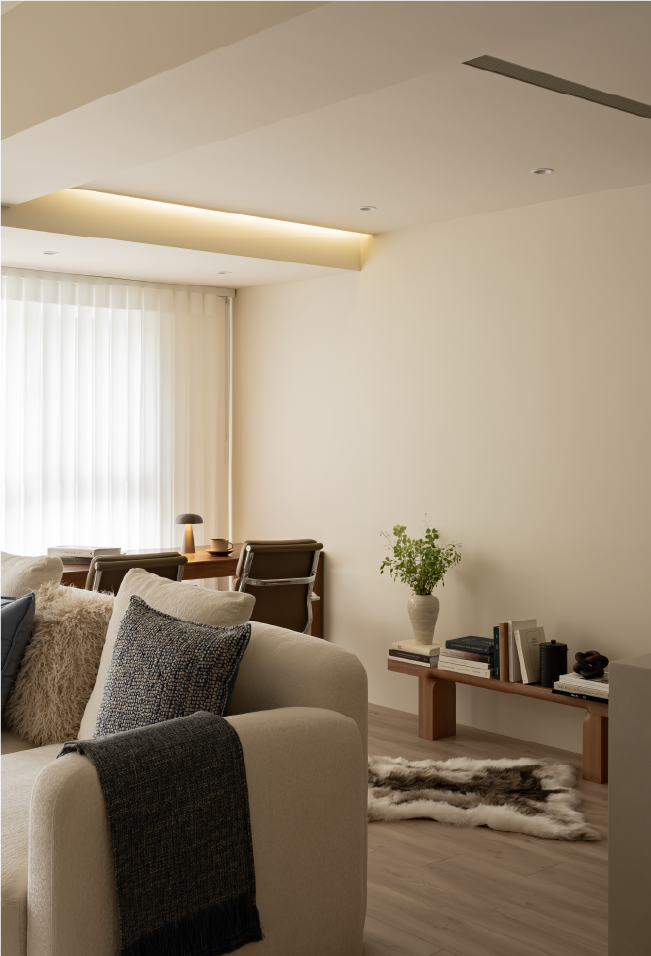
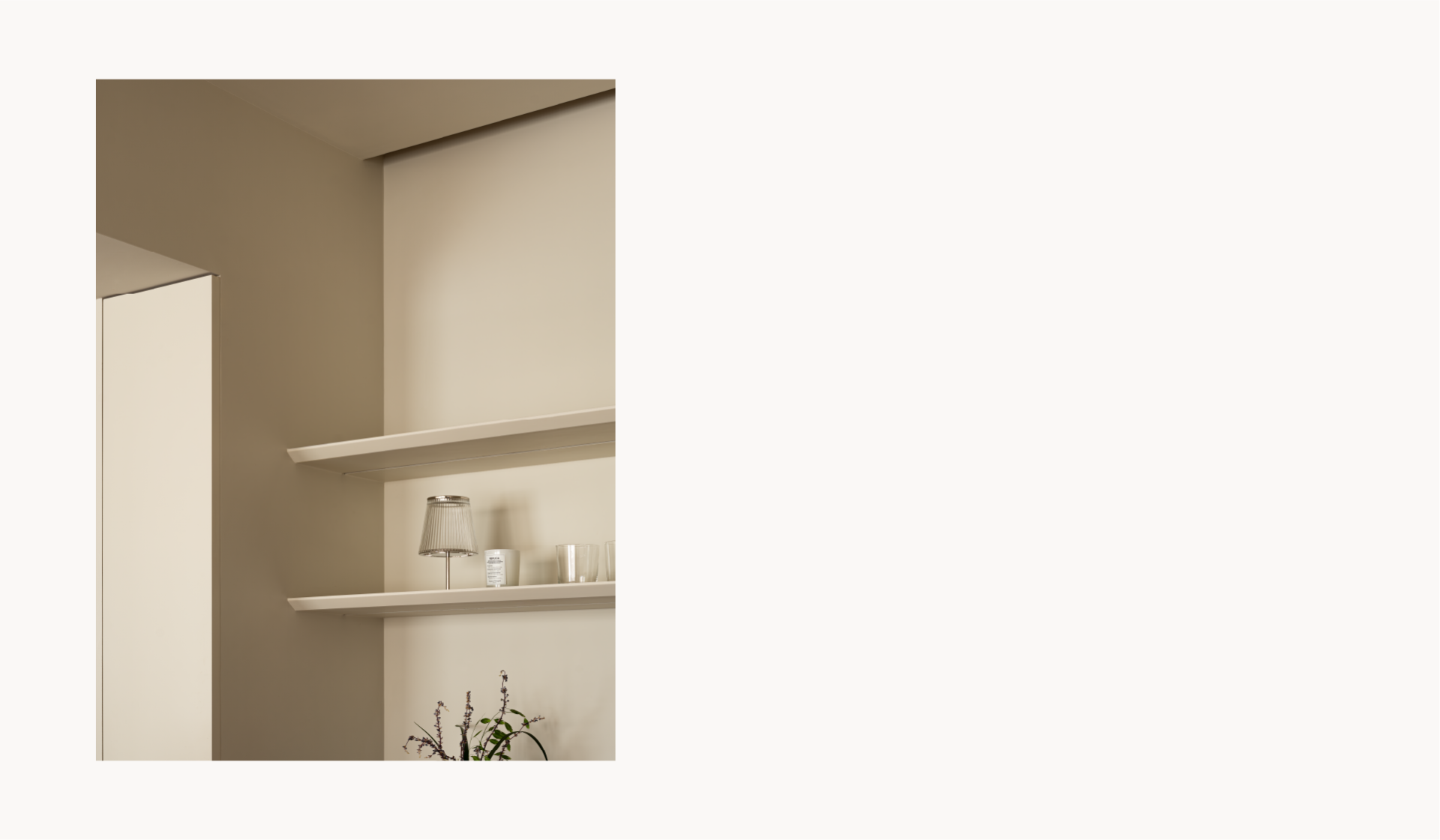
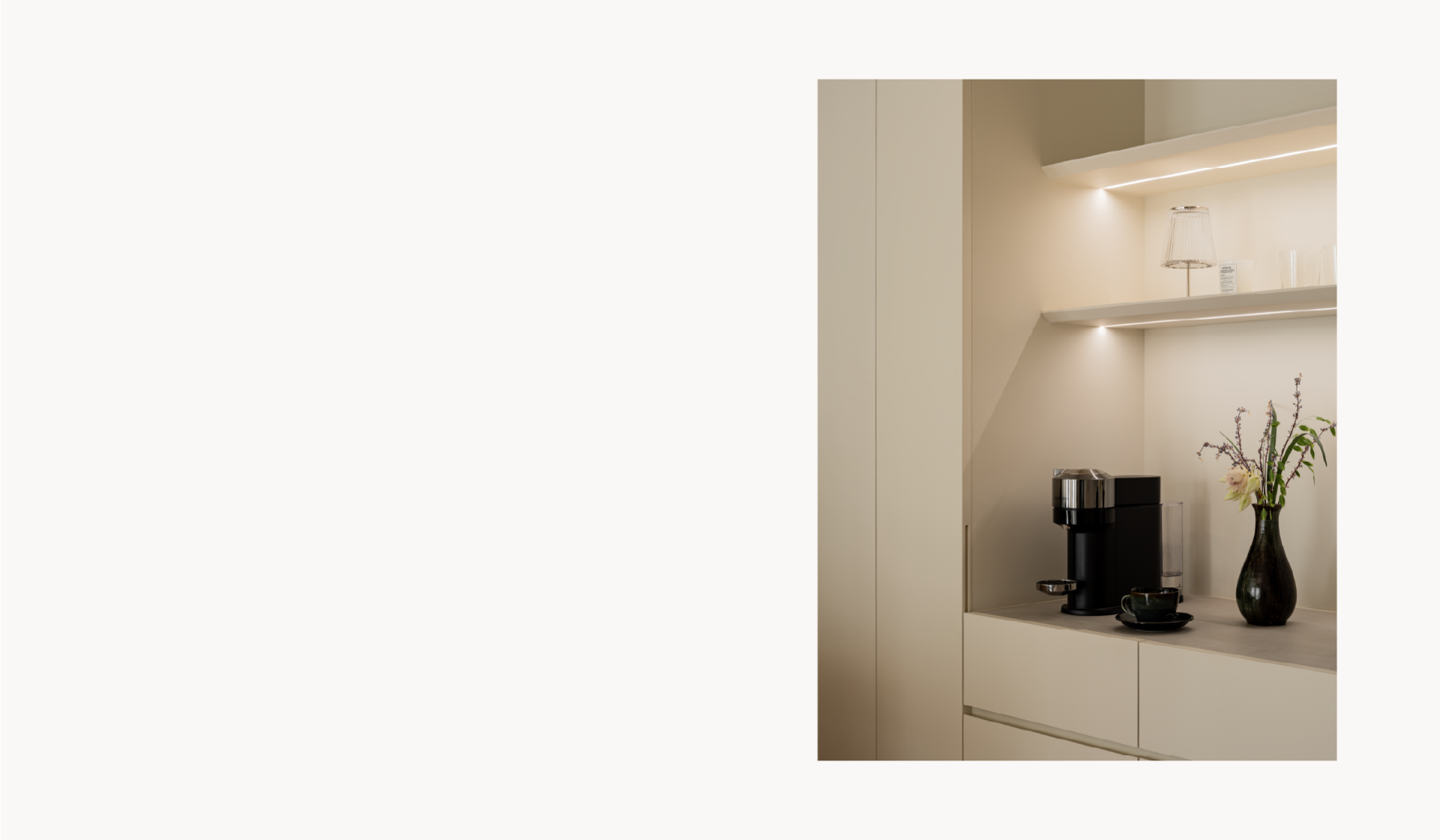
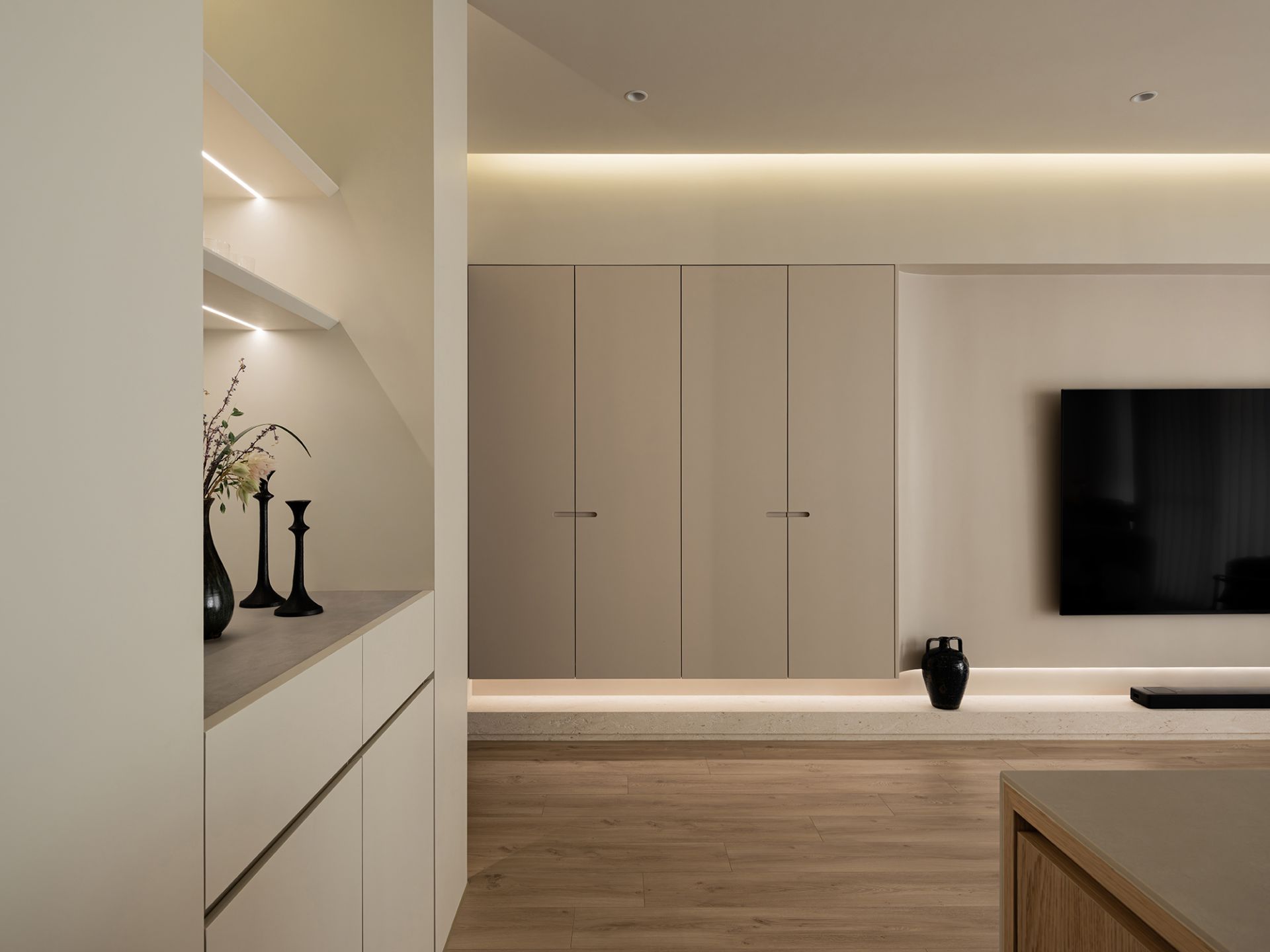
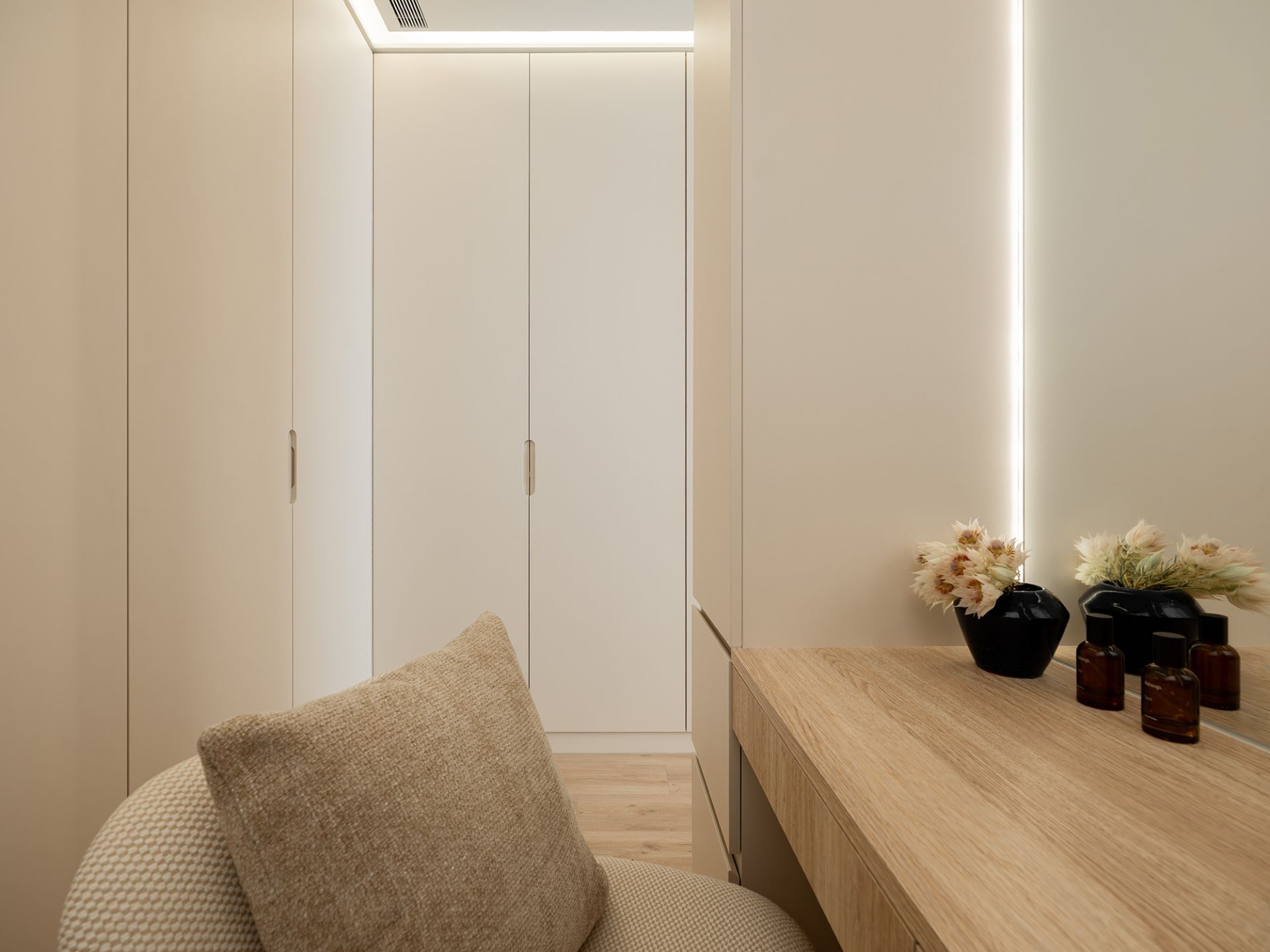
空間的連續,也延伸至色彩與材質的選擇。米色與橡木構成主要基調,相近的色階從牆面、櫃體一路延續至木地板。光線落在不同質地之間,沒有強烈的轉折,只有深淺、明暗與木質紋理留下細微的變化。
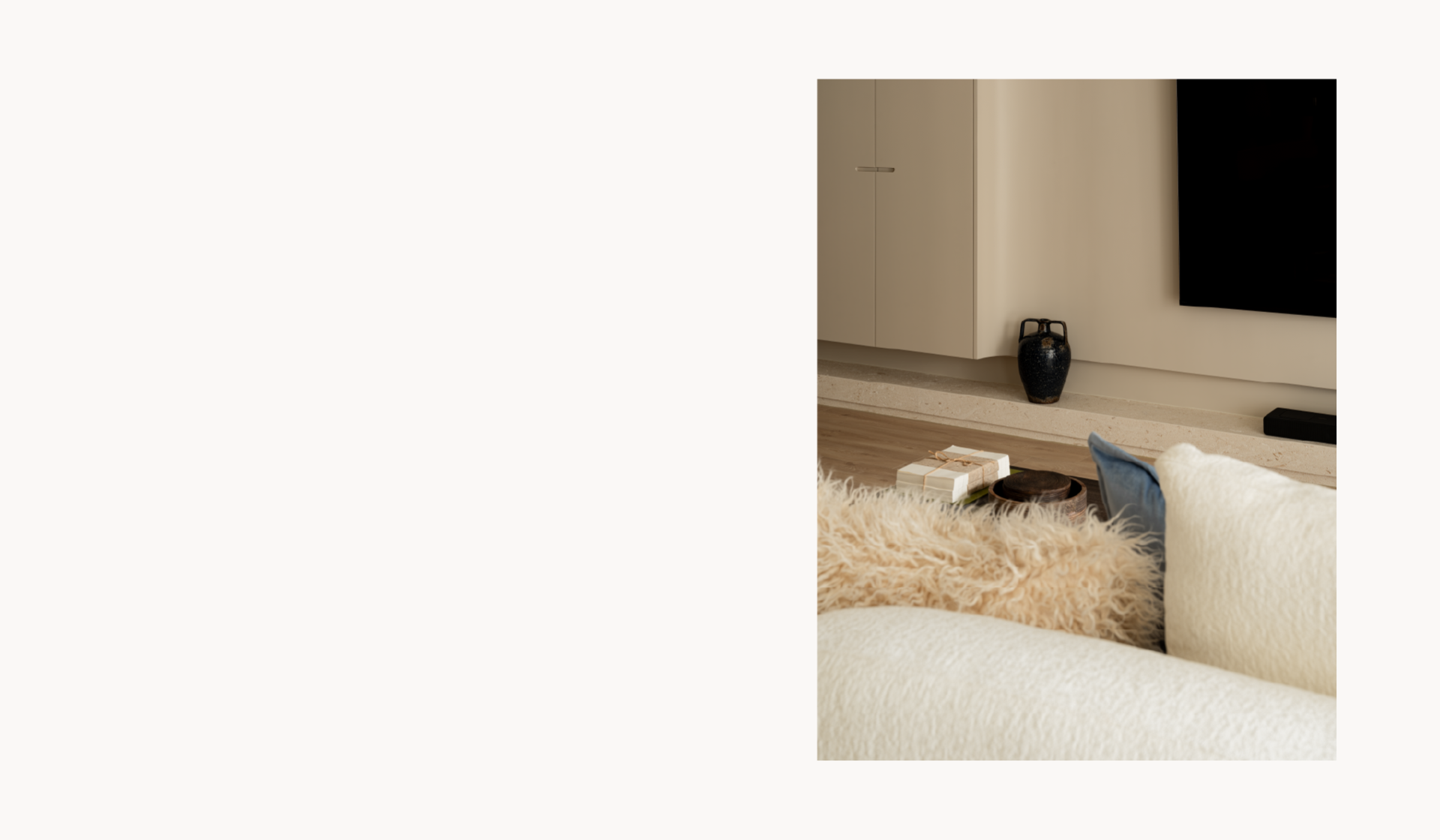
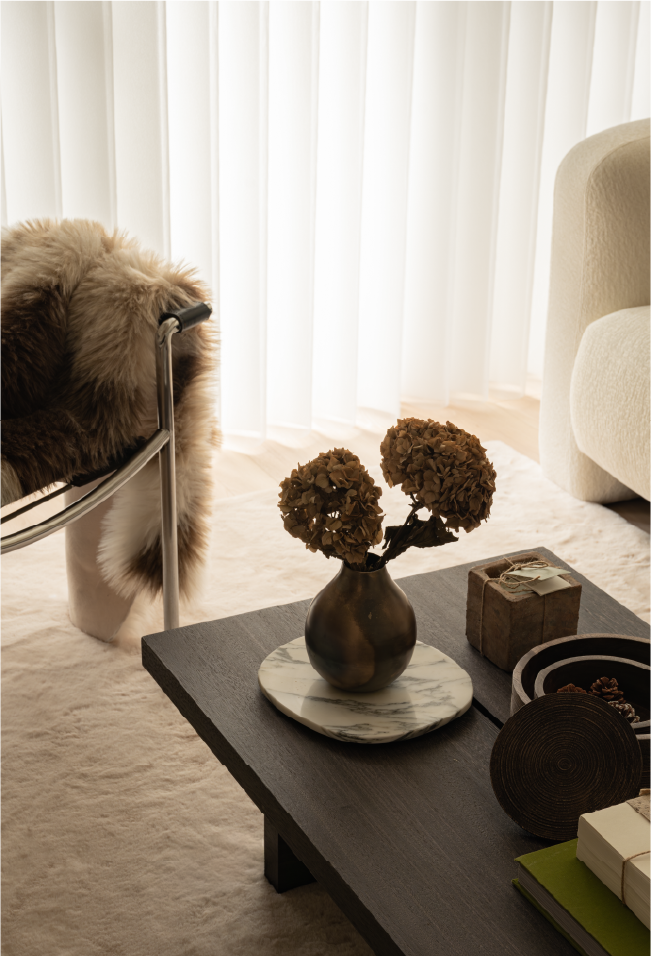
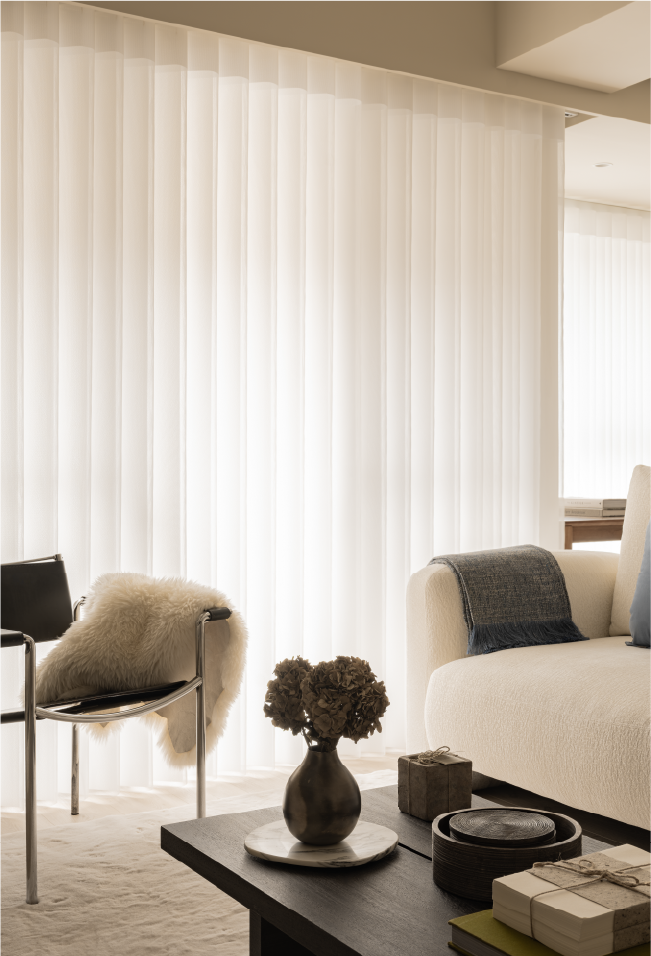
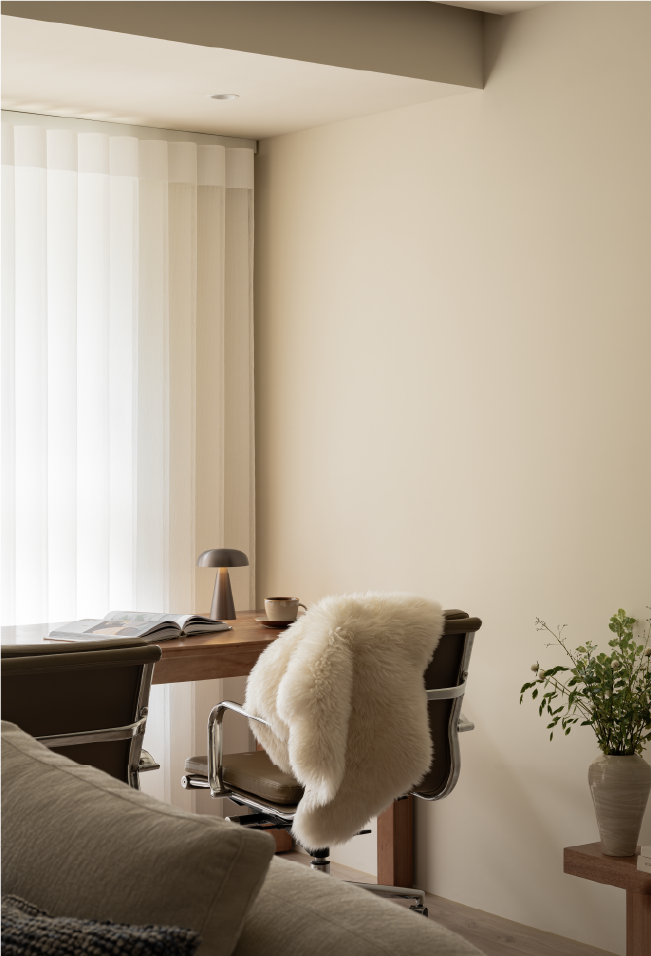
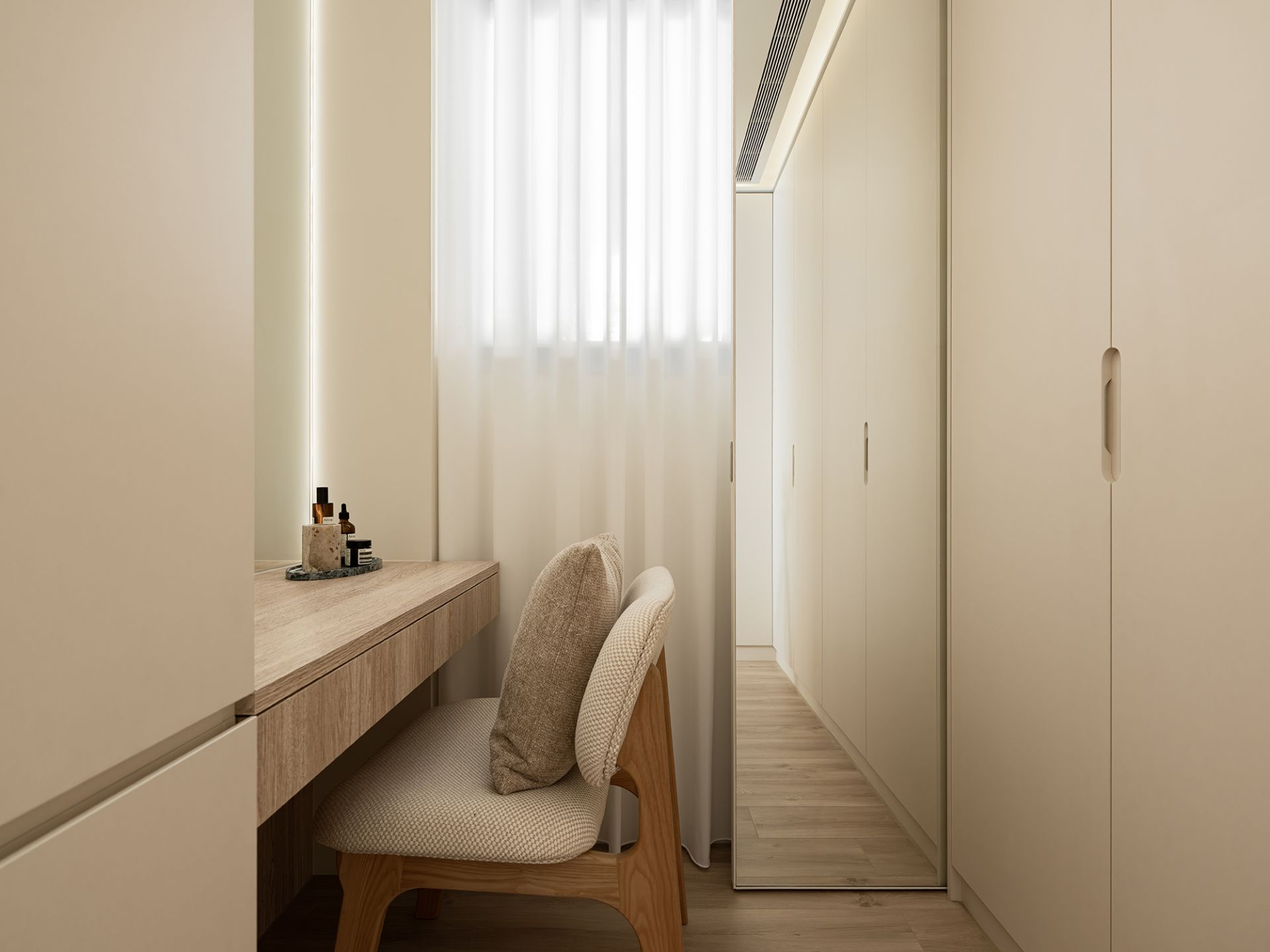
當空間回到相對純粹的背景,家具便有了更多自由。不同材質、形體與色彩可以隨著生活慢慢進入,不必被既定的硬裝風格限制。而在這些自由之中,又能看見一些不經意的呼應——並肩的座位、相對的關係、規律分割的櫃體,在簡潔的線條裡反覆出現,為安靜的畫面留下一點輕巧的節奏。
設計沒有試圖將家的樣貌一次完成,而是先梳理生活所需要的關係,再以一致的材質與色彩安定空間。其餘的,留給家具、物件與時間慢慢填入。
A space often takes shape through a renewed observation of everyday life. The places where we pause, the distances we keep, and the habits formed over time gradually shape the contours of a home. Here, a restrained and considered approach responds quietly to the residents’ way of living, creating a sense of ease and intimacy within a calm order.
Following the rhythms of daily life leads to the heart of the space: a reconsideration of the relationship between the kitchen and the shared living area. The island is drawn away from its conventional role as an extension of the kitchen and placed within the communal space, while the cooking area recedes further inward. Shaped by the residents’ habits, this arrangement gives the island a distinct presence. Viewed from the sofa, its generous volume sits almost like a piece of furniture at the center of the room, naturally drawing both movement and attention toward it.
This sense of continuity extends into the palette and materiality. Beige and oak set the overall tone, with closely related hues flowing from walls and cabinetry to the timber flooring. As light moves across these surfaces, transitions remain soft and understated, revealing only subtle shifts in tone, shadow, and wood grain.
Against this quiet backdrop, furniture is given greater freedom. Different materials, forms, and colors can enter gradually with everyday life, without being confined by a predetermined interior style. Within this freedom, subtle correspondences begin to emerge—seats placed side by side, elements facing one another, and the measured divisions of cabinetry. Repeated throughout the restrained composition, they bring a gentle rhythm and a quiet sense of playfulness to the space.
Rather than defining the home as a finished image, the design begins by shaping the relationships that support everyday life, then grounds them through a consistent palette and material language. What remains is left open—for furniture, objects, and time to gradually find their place.